Table of Contents
Scratching over the bedroom ceiling first thing in the morning is almost always a squirrel. Getting it out isn’t hard. Getting it out without sealing a litter of babies into your roof, or leaving a chewed wire behind, is where people go wrong. So here’s how to get rid of squirrels in attic spaces, as a sequence rather than a menu. Work down it in order. The short version is to confirm it’s squirrels, check for young, seal every hole but one with steel, put a one-way door on that one, and make sure nobody is left before you close it. And skip the poison. No toxicant is federally registered for tree squirrels, and a squirrel that dies in the insulation will remind you of that decision for days.
1. Confirm it’s squirrels
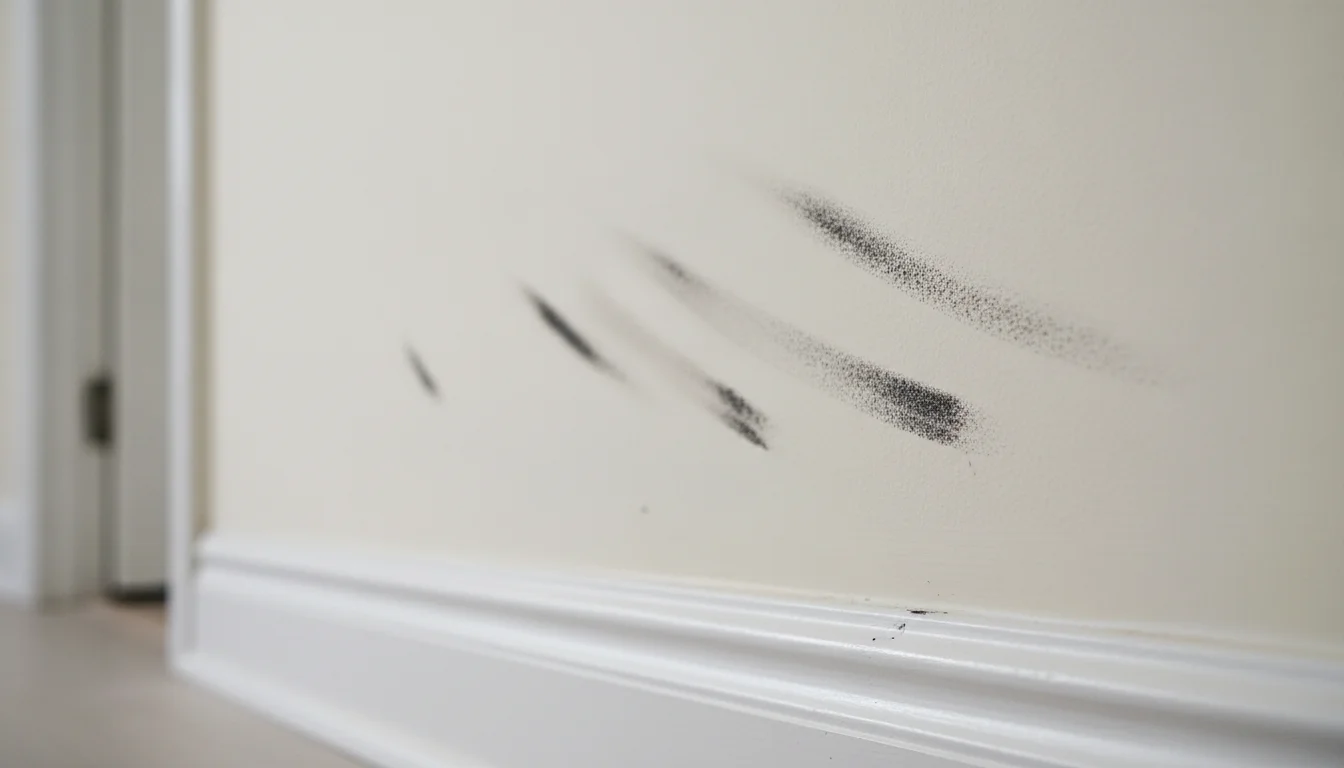
Timing is the giveaway. Tree squirrels are active by day, and early morning is when you’ll hear them most: scurrying, scratching, gnawing, and sometimes chirps and barks. Rats and mice work the night shift. The one exception is flying squirrels, which are the only squirrels active at night.
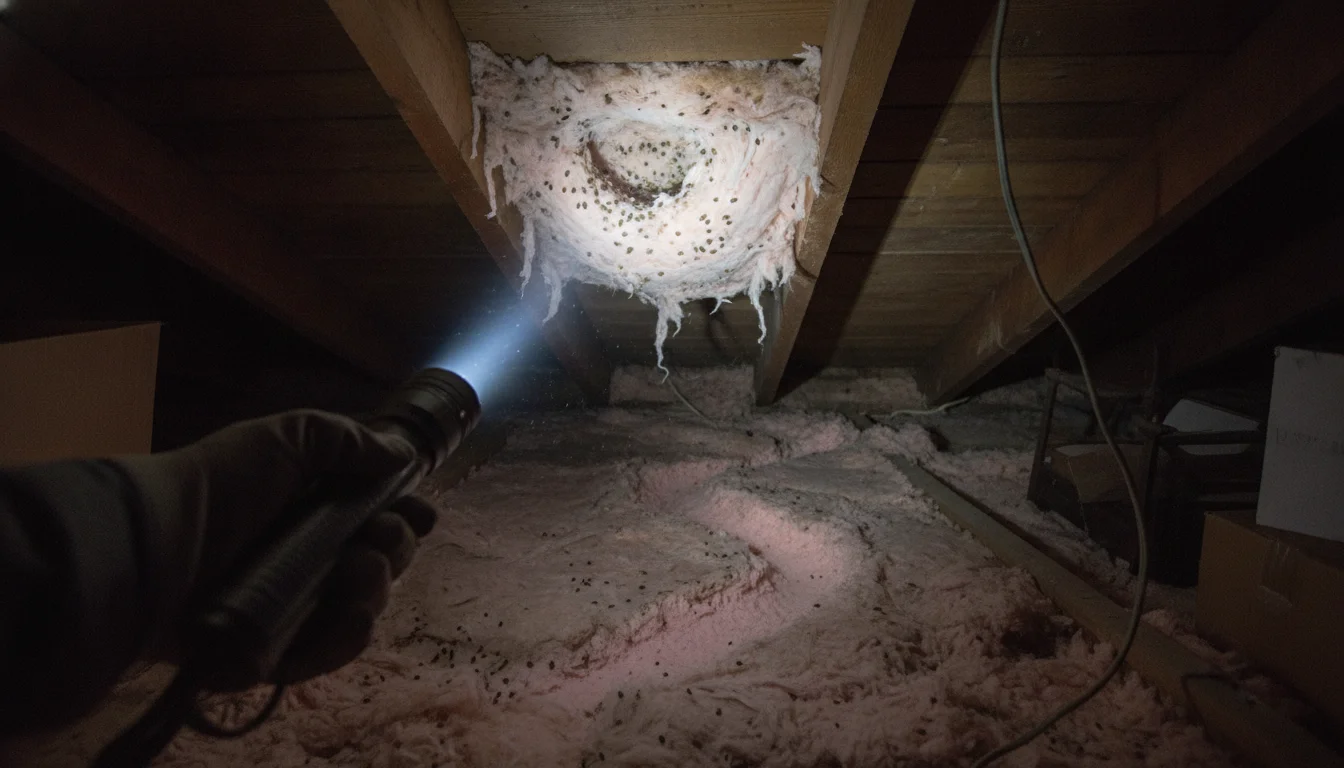
Then go up with a flashlight and look for:
- Droppings: about 3/8 inch (1 cm) long, rounded at the ends, dark when fresh. Some squirrels use one latrine spot, so you may not find them spread around.
- A nest: a hollowed-out bed of shredded insulation, often with chewed plastic or wire sheathing around it, and trails pressed through the insulation leading off to other parts of the attic.
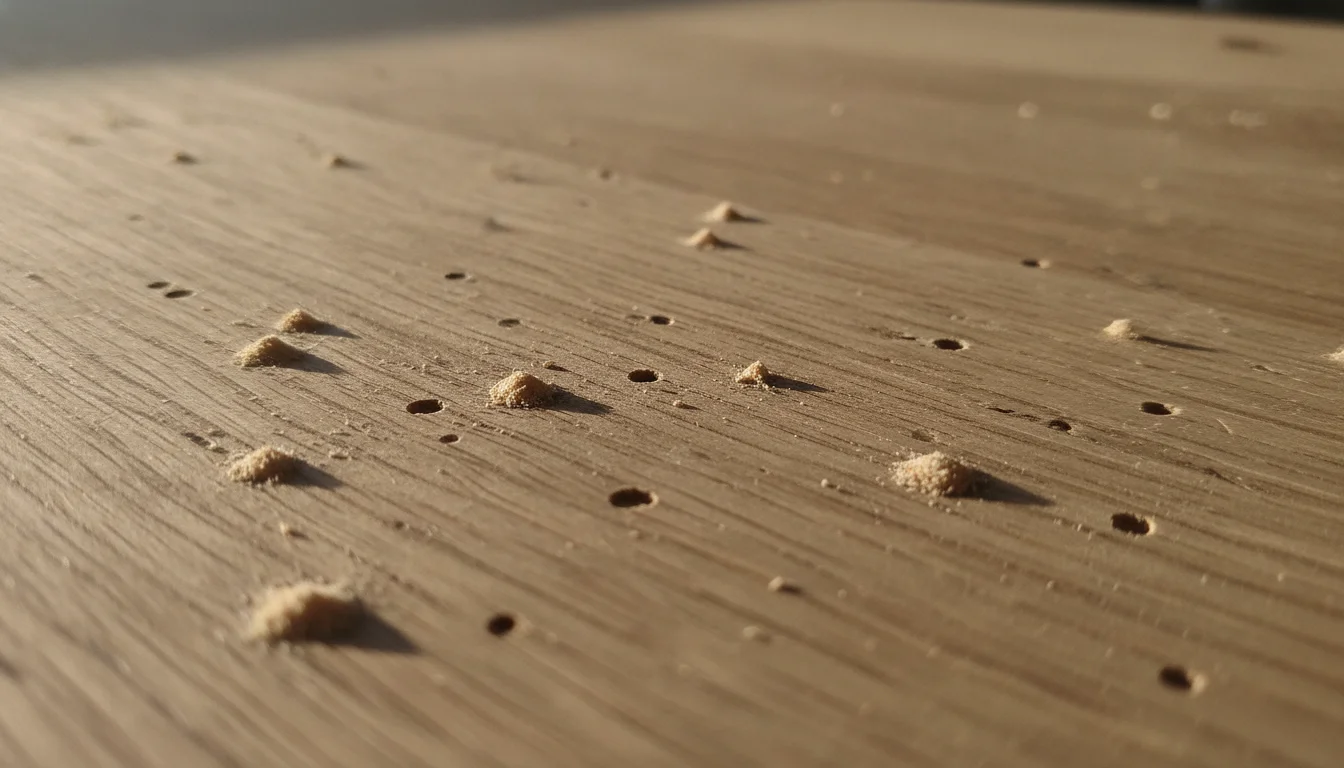
- Gnaw marks on rafters, boxes and cables.
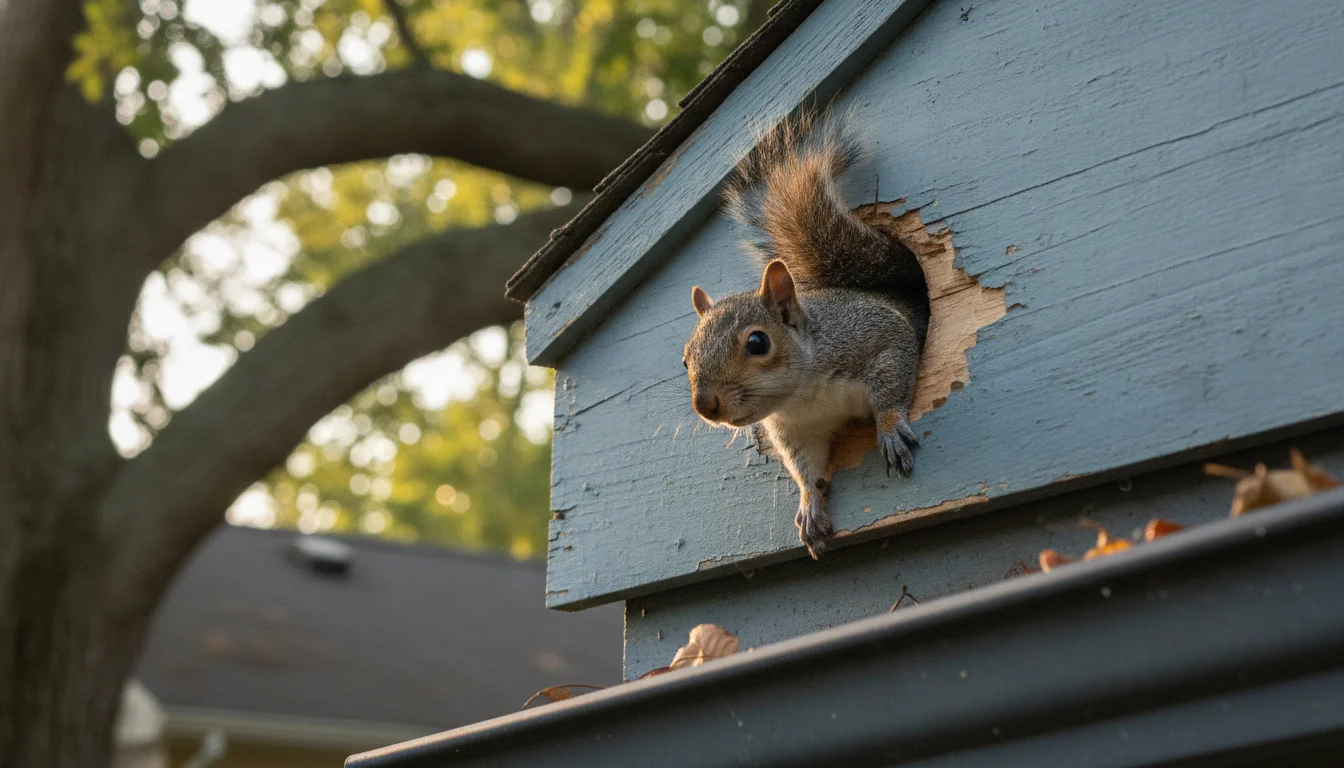
From outside, watch the roofline in the morning. Seeing one disappear into a gap at the fascia tells you where the main door is.
2. Check for babies before you seal anything
This is the step that separates a clean job from a disaster. Squirrels move into attics mainly to raise young, and they usually have a litter in late winter or spring and another in late summer or early fall. Shut the mother out or trap her while the young are in the nest, and they die there. You get a smell for weeks, flies, and a mother tearing at your fascia to get back in.
So listen for high-pitched chirping, and look for that insulation nest. If there are young, extension guidance puts them in the nest for 10 to 12 weeks before they’re weaned. You can wait until they’re moving around and leave with her, then evict the whole family at once. Or, if you can reach the nest, lift them out in thick gloves. If you can’t reach it (mothers love the far corner under the eaves), that’s a job for a wildlife operator.
3. Light and noise near the nest
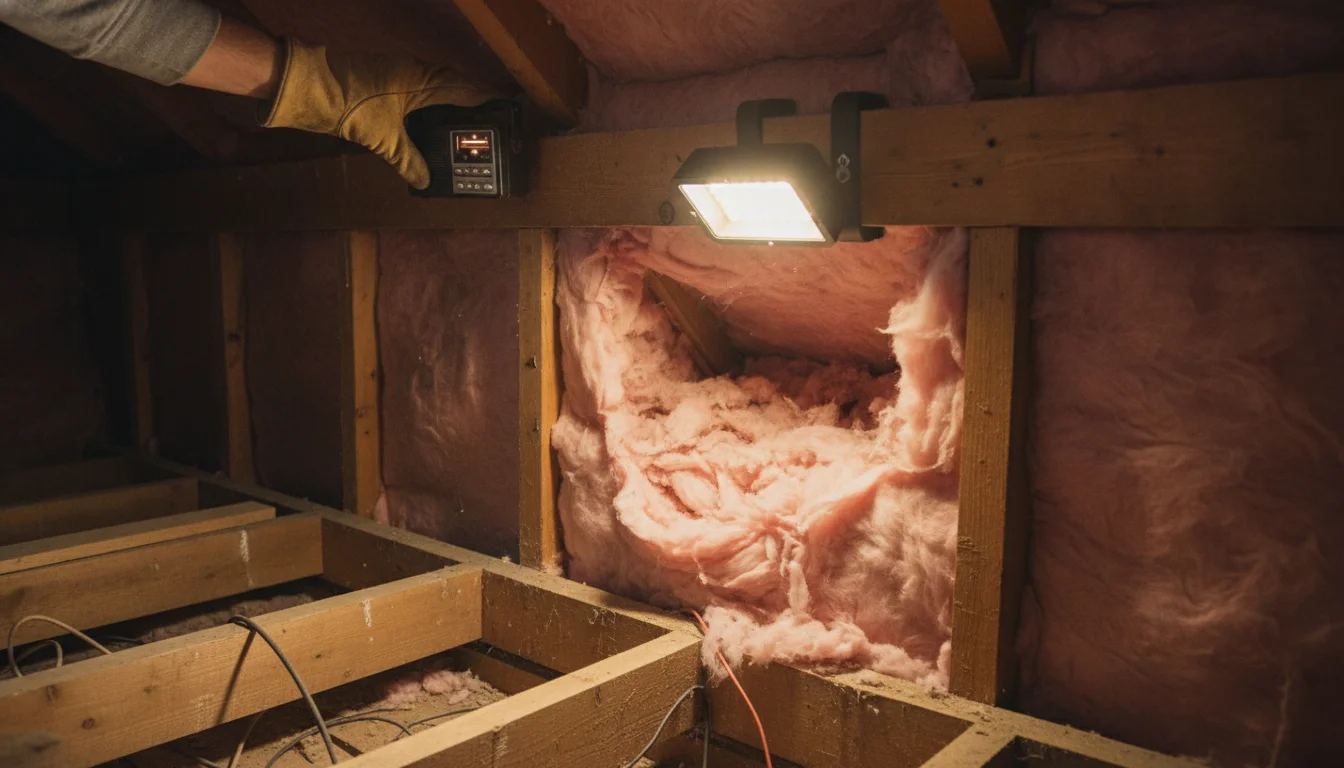
The gentle first push. Put a radio in the attic tuned to talk or music, at normal volume, and leave it on. Rig a work light and angle it at the nest. Squirrels want dark and quiet, and some will pack up. A mother who decides the nest is unsafe may even carry her young out, which is what squirrels do in the wild.
Don’t expect miracles. Squirrels get used to lights and sounds within a couple of days, and sometimes a mother just moves the litter to another corner of the same attic. Treat this as softening them up for step 5, not a fix.
4. Seal every hole except the main one
Squirrels often keep more than one way in, and wildlife operators report homes with more than 10. Walk the whole roofline. Typical spots: soffits, fascia boards, ridge and gable vents, roof returns, gaps where a dormer meets the roof, and chewed holes just above the gutters. They travel along power lines and fence tops, so look at those heights too.
Close every one except the main entrance. Use steel: 1/4 inch (6 mm) hardware cloth, heavy 1/2 inch (13 mm) wire mesh, or galvanized sheet metal, screwed down over the hole from the outside. One Redditor’s tip is to paint the sheet metal to match the fascia. Not plastic. Not aluminum. Squirrels chew through both, and they’ll happily gnaw a fresh hole right beside a weak patch.
5. Put a one-way door on the main entrance
This is the best method here. A one-way door lets squirrels leave to feed but not get back in, and you never handle an animal. Mount it over the main hole with no gaps around it; it has to be screwed and screened on, or they’ll chew around it. A homemade version from Penn State Extension: an 18 inch (46 cm) length of 4 inch (10 cm) plastic pipe over the opening, pointing down at 45 degrees.
Fit it while they’re out foraging. Alabama Extension puts that from just before daylight through the morning, and again from late afternoon to dusk; in fall they may forage most of the day. They rest at midday, and a door fitted at midday or at night can trap one inside. Morning doesn’t mean they’ve all gone out, which is why the next step tests it.
6. Test with a newspaper plug
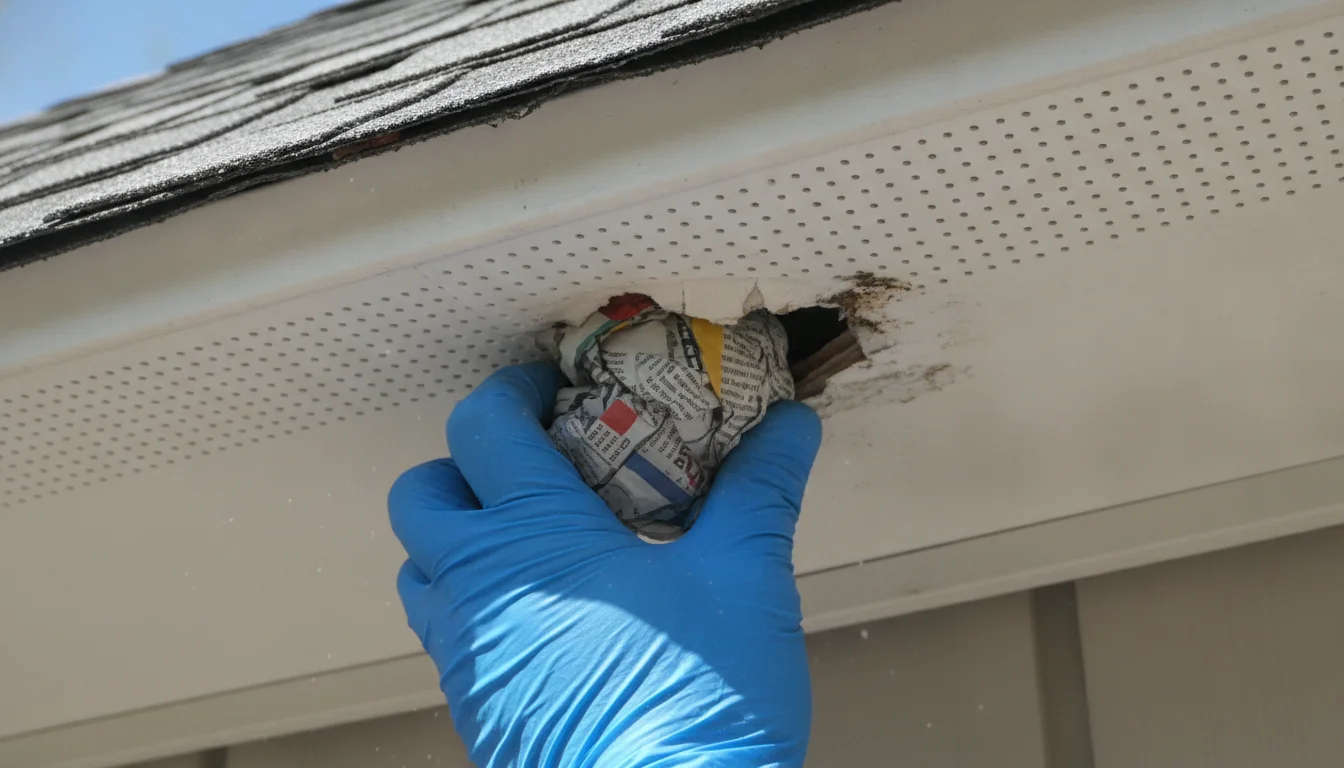
When the attic goes quiet, don’t just trust the silence. Stuff the hole loosely with a wad of newspaper. If a squirrel is still inside, it’ll push the plug out to get out. A pushed-out plug means leave the door on and test again. Seal the last hole with steel only when you’re sure nothing is left inside.
7. Live trap, if a door won’t work
When the entry hole is somewhere a door won’t fit, a cage trap is the alternative. Put it on the roof near the entry rather than on the ground, where you’ll catch the neighbor’s cat. Bait with peanut butter, apple or orange slices, or shelled walnuts. Leave it baited with the door tied open for two to three days first, then set it and check it morning and evening. Squirrels panic in traps; one wildlife operator describes a trapped nursing mother dying of stress within about an hour and a half.
Then the awkward part. Release rules vary by state: California bans releasing tree squirrels without a permit, and New York classes gray and fox squirrels as protected game. Check with your state wildlife agency before you buy the trap.
8. Trim branches 6 to 8 feet from the roof
Branches are the squirrel highway onto your roof. Cut back every limb to 6 to 8 feet (1.8 to 2.4 m) from the house so they can’t jump across.
9. Cap the chimney
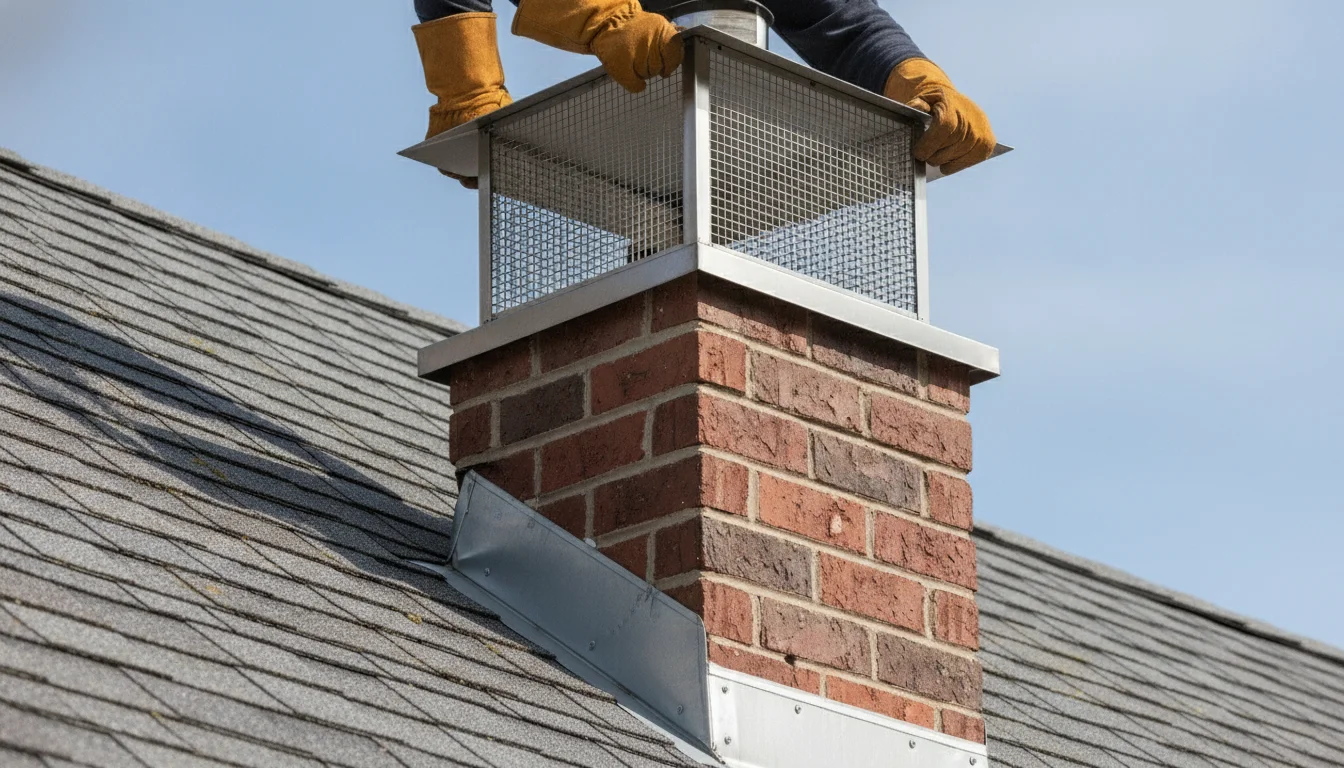
An uncapped chimney is an open door to the attic. Fit a metal chimney cap with mesh sides, or check that the one you have is intact.
10. Check the wiring
Squirrels chew the plastic sheathing on cables, and bare wire in a roof full of dry insulation is a fire risk. Once they’re out, follow every cable near the nest and along those insulation trails with a flashlight, looking for gnaw marks and bare copper. If a squirrel was nesting by your AC unit, look at the wiring into that too.
Find damage? Don’t touch it and don’t patch it. Call a licensed electrician.
11. Clean up wet, not dry
Squirrel droppings and urine can carry diseases including leptospirosis and salmonellosis. Wear rubber or plastic gloves. For a heavy mess, such as a long-used nest with droppings through the insulation, add a half-mask air-purifying respirator, which is what CDC guidance calls for with heavy rodent infestations. Soak droppings and nest material with disinfectant for about 5 minutes before you touch them, and never sweep or vacuum them dry. Bag it all. Insulation that’s soaked with urine or full of droppings is better replaced than cleaned.
What causes squirrels in the attic
Mostly babies. A mother squirrel wants somewhere dry, warm and safe to raise a litter, and your attic beats a tree hole on every count. In winter they also want shelter: squirrels don’t hibernate.
Getting in is easy for them. They climb from overhanging branches or run along wires, find a small gap, loose siding or a broken vent screen, and chew it bigger. A rotten fascia board or a soft gable panel is an invitation.
How to prevent squirrels in the attic
Keep the branches trimmed and the chimney capped. Check the roofline regularly and cover any small hole with steel mesh before a squirrel finds it. Move bird feeders away from the house, and keep trash cans closed. Once a squirrel family has nested in an attic, others will keep testing it, so a patched hole needs to stay checked.
When to call a professional
Call a wildlife operator if the entries are high on a steep or multi-gable roof, if there are babies you can’t reach, or if squirrels keep coming back after your sealing. People on Reddit report paying $1,400 to $2,400 for trapping and sealing, so get more than one quote. A single-story house with a simple roof is the realistic DIY case. Any chewed wiring goes to a licensed electrician, whoever handles the squirrels.
Frequently asked questions
Will rat poison or ground squirrel bait kill squirrels in the attic?
Don’t use it. No toxicant is federally registered for tree squirrels, and California bans poison baits for them outright. Ramik’s ground squirrel bait is labeled only for California ground squirrels, and using a pesticide off-label breaks federal law. A poisoned squirrel also tends to die somewhere you can’t reach, and the smell fills the house.
How do I know if there are babies in the attic?
High-pitched chirping, a hollowed nest of insulation, and the time of year (late winter to spring, or late summer to early fall). A trapped female with swollen nipples has young somewhere inside.
Can I trap and relocate a squirrel?
Only where your state allows it. Some states treat tree squirrels as game animals, and California needs a permit to release one anywhere. Ask your state wildlife agency or county extension office first.
Do mothballs get rid of squirrels?
No. Mothballs in an attic leave a persistent, noxious odor through the whole house, and the squirrels stay.