Table of Contents
Allergies are your immune system throwing a fit over something harmless: pollen, dust mites, pet dander, mold. It floods your body with histamine, and you get the sneezing, the itchy eyes, the runny or blocked nose, the all-day fog. Unlike a cold, which builds over a few days and clears in about a week, allergy symptoms hang around the whole time you’re exposed to whatever sets you off. You can’t cure an allergy. What you can do is cut how much of the trigger reaches you and calm down what still gets through. Here’s the full routine, cheapest and simplest first, from free changes around the house to the medicines worth keeping in the cabinet.
Why You Get Allergies in the First Place
An allergy is a case of mistaken identity. Your immune system tags a harmless protein (pollen, a dust mite’s waste, a flake of pet dander, mold spores) as a threat and dumps histamine to fight it. Histamine is what causes the swelling, the itch and the streaming.
Which trigger you have decides which fixes matter, so it’s worth pinning down. Year-round symptoms usually point indoors: dust mites in the bed, dander from a pet, mold in a damp bathroom. Symptoms that flare in spring, summer or fall point to pollen from trees, grass or weeds. Plenty of people react to both. Food allergies are a different animal, and a far more dangerous one, so if certain foods set you off, that’s a conversation with a doctor, not a job for this list.
1. Figure Out What You’re Allergic To
You can’t dodge a trigger you can’t name, and pollen, dust, pet dander and mold all call for different fixes, so guessing wastes months. If your symptoms are mild and clearly seasonal, you can often work it out yourself by tracking when they hit and what you were near. If they’re year-round, stubborn, or a total mystery, an allergist can run a skin-prick test or blood work and tell you exactly what you’re reacting to. Once you know, every other step here gets easier, because you’re aiming at a target instead of firing blind.
2. Clear Out Indoor Allergens
If your nose runs all year instead of one season, the culprit is almost always inside: dust mites, pet dander or mold. Dust mites live in your bedding, mattress and soft furnishings, and it’s their waste that sets you off. Go after the bedroom first, since that’s where you spend the most hours. Wash sheets and pillowcases weekly in hot water, 140°F (60°C) or hotter, which is the temperature that actually kills mites (a warm wash just gives them a bath). Zip the mattress and pillows into allergen-proof covers, and keep pets off the bed. Run a dehumidifier to hold indoor humidity under about 50 percent so mites and mold have less to feed on, and vacuum with a HEPA-filter cleaner instead of one that blasts fine dust back into the air. One catch: cleaning kicks a cloud of settled allergen into the air, so wear a mask while you do it or you’ll feel worse for a day.
3. Keep Pollen Out
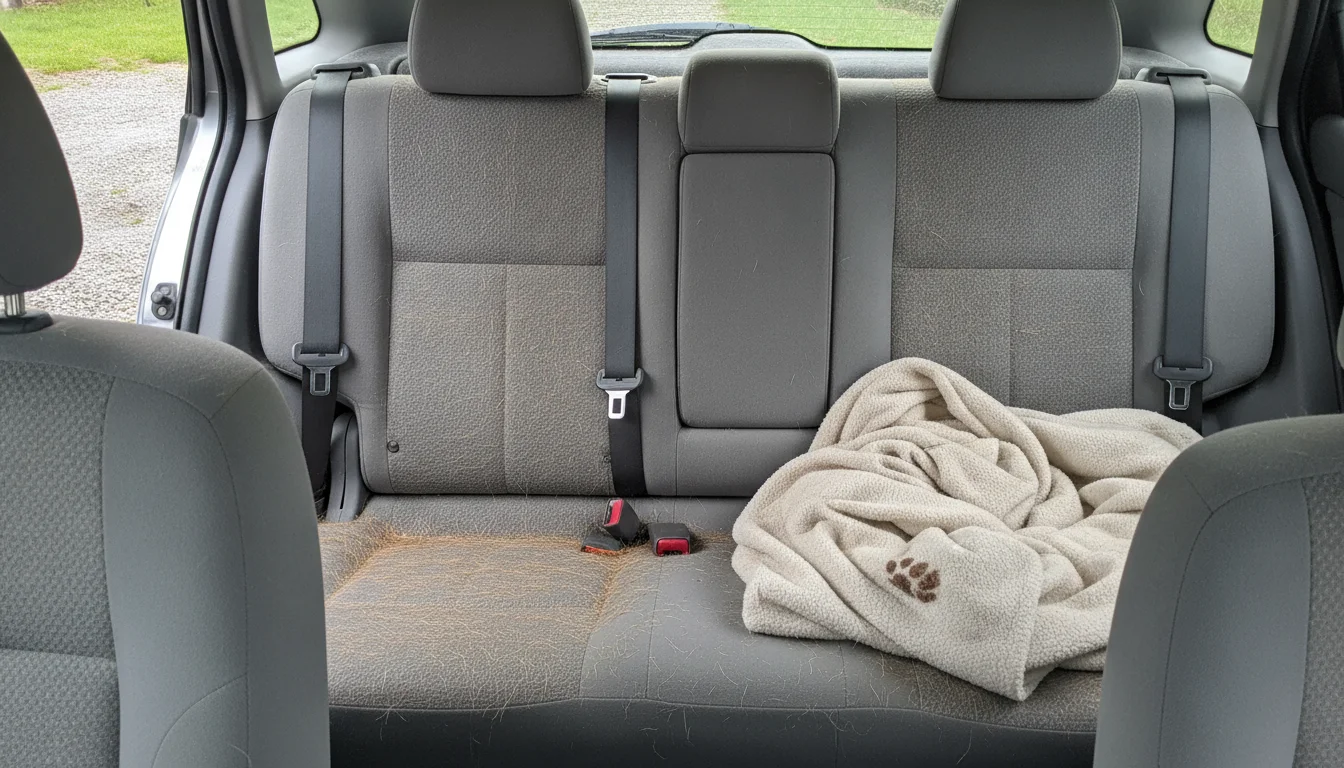
If pollen is your problem, the whole game is keeping it away from your nose and eyes. Counts run highest on dry, windy mornings and drop right after rain, so time walks and outdoor chores for the afternoon or just after a shower has passed. Keep the windows shut at home and in the car through the season and run the air conditioning instead; set the car vents to recirculate so they’re not pulling the outside in. Wear a mask for mowing or raking, or hand those jobs to someone who isn’t allergic. A portable HEPA air purifier in the bedroom mops up what drifts inside. Check a local pollen forecast (most weather apps carry one) and plan the bad days around it. If your symptoms are strictly spring-to-fall, our guide to seasonal allergies drills into the pollen calendar.
4. Rinse the Pollen Off
Pollen hitches a ride home on your skin, hair and clothes, then keeps working long after you’re back inside, especially once it transfers to your pillow. Shower and wash your hair after a decent stretch outdoors, and change out of what you wore before you flop on the sofa or climb into bed. Drop the worn clothes straight in the laundry basket, not back over a chair. The shower before bed is the one that pays off most, since it stops a whole night’s worth of pollen ending up on your face while you sleep.
5. Rinse Your Sinuses With Saline
A saline rinse physically flushes mucus, pollen and dust straight out of your nose, and it’s about as cheap as relief gets. Use a neti pot or a squeeze bottle with the saline packets that come with it. Lean over the sink, tilt your head to one side, and pour into the upper nostril; it drains out the lower one, taking the gunk with it. The one rule you cannot break: use distilled, sterile, or previously boiled-and-cooled water, never straight from the faucet. Tap water can carry organisms that are harmless to swallow but dangerous in your sinuses. Rinse the device out and let it air-dry between uses. If the congestion has settled into full sinus pressure and pain, our sinusitis guide goes further.
6. Take an Antihistamine
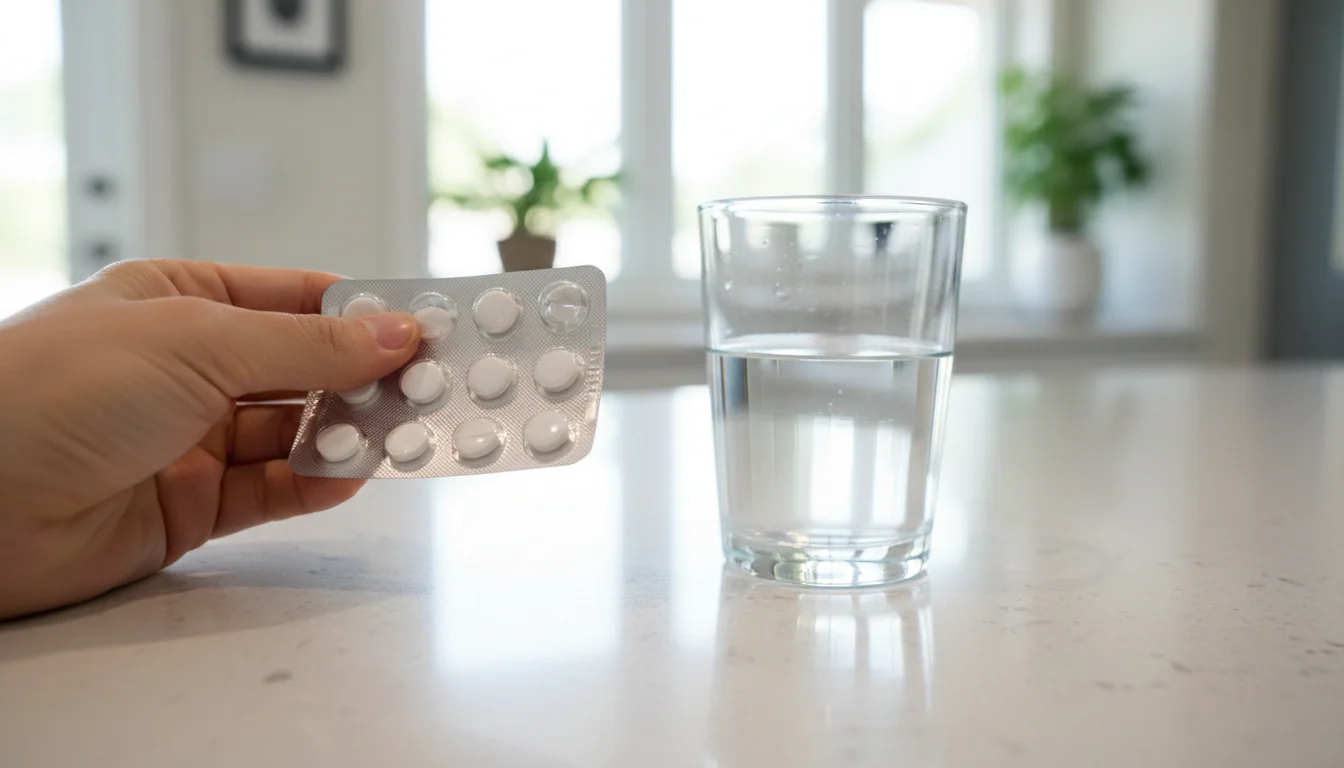
This is the workhorse. Histamine drives the sneezing, itching and runny nose, and antihistamines block it. The non-drowsy ones (loratadine, cetirizine, fexofenadine, which you’ll see as Claritin, Zyrtec, Allegra and cheap store-brand versions of the exact same thing) are your daytime pick. Older ones like diphenhydramine (Benadryl) work but will knock you flat, so save those for bedtime, if at all. Follow the directions on the label for dosing. The same pills also calm hives and other allergic itching. The generics carry the same active ingredient at the same strength and work the same way, differing only in fillers and dyes, and they cost a fraction, so there’s no reason to pay for the box with the nicer font.
7. Add a Decongestant If You’re Blocked Up
When you’re stuffed up rather than sneezy, an antihistamine alone won’t clear it, so add an oral decongestant. Pseudoephedrine (kept behind the pharmacy counter, so you’ll need to show ID) works better than the phenylephrine sitting on the shelf. Fair warning: decongestants can leave you jittery and wired, so don’t take one near bedtime unless you enjoy watching the ceiling. Follow the label, and if you have high blood pressure or a heart condition, check with the pharmacist before you buy. A hot drink loosens mucus too, and it tastes better than staring at a box.
8. Use a Steroid Nasal Spray
For nose-heavy symptoms, a steroid nasal spray (fluticasone or triamcinolone, sold as Flonase and Nasacort) beats pills, because it calms the inflammation right where it’s happening. The catch is patience: it takes a few days of daily use to reach full effect, so start it before your season kicks off rather than waiting for a bad day. Over-the-counter strength works for most people; follow the directions on the label. One spray to steer clear of is the decongestant type like oxymetazoline (Afrin). It works fast, but use it more than three days running and you get rebound congestion worse than what you started with.
When to Call a Professional
Most allergies you can manage at home, but some signs mean stop self-treating and get help. Trouble breathing, a swollen throat or tongue, chest tightness, or feeling faint after exposure to an allergen is an emergency: call 911 right away. Short of that, see a doctor if your symptoms drag on for weeks, keep getting worse, or don’t budge after a couple of weeks of over-the-counter treatment. A doctor can confirm your triggers, prescribe stronger options, and for stubborn allergies may offer immunotherapy (allergy shots or under-the-tongue tablets) that trains your immune system to stop overreacting over three to five years. It’s a genuine long-term fix for some people, but it’s a medical program, not a home remedy, and it starts with that appointment.
FAQ
Can you get rid of allergies permanently?
Not with anything you do at home. You can shrink your symptoms to almost nothing by avoiding your triggers and treating what’s left, but the allergy itself stays put. The one thing that can retrain your immune system is immunotherapy, and that’s a multi-year medical program you start with an allergist, not a weekend project.
How do I know if it’s a cold or allergies?
Timing and mucus. A cold builds over a few days and clears in about a week, often with a fever and thicker, colored mucus. Allergies come on fast, bring itchy eyes and thin, clear mucus, and last as long as you’re exposed to the trigger. If your “cold” comes back every spring, never runs a fever, or the pattern isn’t clear, ask a doctor for an assessment rather than guessing.
Why did I suddenly get allergies as an adult?
It happens more than people expect. Allergies can develop at any age, and moving to a new area, getting a pet, or just years of repeated exposure can flip the switch. New symptoms that stick around are worth getting checked so you know what you’re actually dealing with.
Do allergies ever go away on their own?
Sometimes. Childhood allergies can fade, and reactions often ease if you move away from the trigger for good. But plenty of people have them for life, which is why managing your exposure and symptoms matters more than waiting them out.