Table of Contents
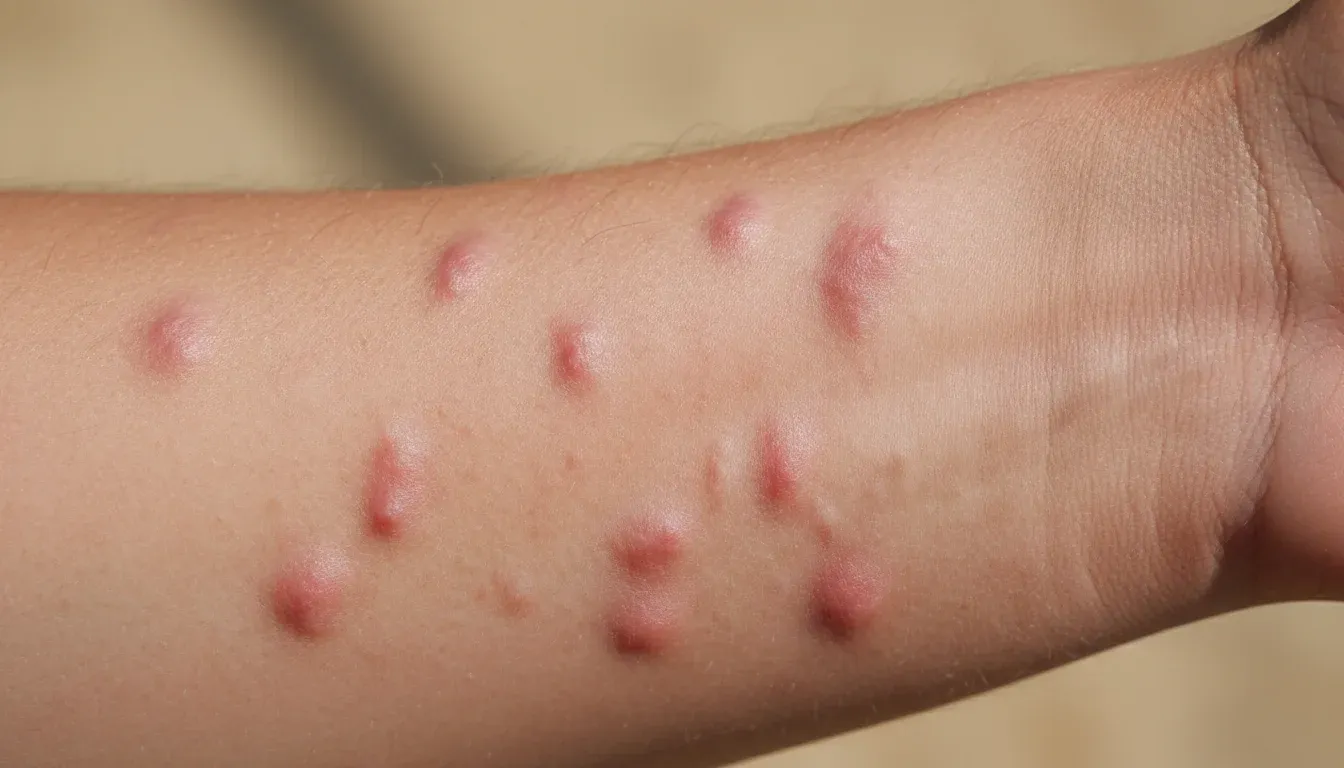
Hives show up out of nowhere: itchy, raised welts that can sit in one patch or wander across your whole body. They can be the size of a pencil eraser or spread into blotches the size of a dinner plate, and most of the time you never find out what set them off. The reassuring part is that they usually fade on their own, and any single welt is gone within a day even if new ones keep arriving. While you wait them out, a handful of things you probably already have at home make the itch far more bearable. Here is what actually helps, and the warning signs that mean you should stop reading and call for help.
1. Take an over-the-counter antihistamine
This is the mainstay for most flares. Your body releases histamine during a flare, and that is what drives the itching and the welts. An antihistamine blocks histamine’s effects and eases the itch and swelling, though it does not remove whatever triggered the reaction. Over-the-counter options like cetirizine, loratadine, fexofenadine and diphenhydramine all work for hives, and they are the same ones many people already keep for seasonal allergies. Some are more likely to make you drowsy than others, and diphenhydramine (sold as Benadryl) tends to knock you out. Check each product’s label before you drive or operate machinery: several, cetirizine included, warn that drowsiness can occur. Follow the directions on the label for how much to take and how often, and do not exceed it.
2. Apply a cool compress
Cold is the fastest way to take the edge off the itch. It calms the nerves that carry the itch signal and eases the swelling and redness. Wet a clean washcloth with cold water, wring it out, and lay it over the welts for 10 to 20 minutes. A bag of frozen peas or an ice pack wrapped in a towel works just as well. Keep a layer of cloth between the ice and your skin so you do not swap an itch for a cold burn, and repeat as often through the day as you need to.
3. Soak in a colloidal oatmeal bath
When the welts are spread too wide for a compress to reach, a bath does the job. Colloidal oatmeal is oats milled fine enough to disperse in water and settle over the skin as a soothing film. Stir the amount the package recommends into a tub of lukewarm water and soak for as long as the package directs. Keep the water warm at most: hot water irritates already-inflamed skin and can make the itch flare harder. When you get out, pat yourself dry with a soft towel rather than rubbing. No colloidal oatmeal in the cupboard? Grind plain oats to a fine powder in a blender and use that.
4. Dab on calamine or an anti-itch lotion
Calamine lotion is the classic itch-settler, the same lotion that takes the sting out of mosquito bites. Dab it on the welts and let it dry, following the directions on the bottle. An over-the-counter anti-itch cream does much the same job. Either way, use it as the label directs, and if a product stings or the skin reacts, wash it off and leave it be.
5. Resist the urge to scratch
Scratching feels like relief for about a second, and then it makes everything worse. It irritates the skin, brings on fresh welts, and broken skin can get infected. This is the least glamorous step on the list and the one that decides how quickly a flare settles. Give your hands something better to do: reach for the cool compress or the calamine the moment the urge hits. Keep your fingernails short so a lapse does less damage, and cover a badly itchy patch with loose cotton if you catch yourself going at it.
6. Be gentle with your skin
Irritated skin flares at the smallest provocation, so stop handing it reasons. Wash with a gentle, fragrance-free soap or cleanser instead of a scented one, and read the label carefully: “fragrance-free” is what you want, not “unscented,” which still carries a masking scent that can set skin off. Take short, warm (not hot) showers and baths. Skip the loofah and the mesh sponge, apply cleanser with your hands, and pat dry rather than scrubbing. Fragrance, heat and friction are three of the most common everyday aggravators, and cutting all three costs nothing.
7. Wear loose cotton clothing
Tight clothes rub, trap heat and press on the skin, and pressure alone can bring hives up in some people. Loose, breathable cotton gives the welts room and lets sweat evaporate instead of sitting against irritated skin. Save the fitted synthetics and scratchy wool for after the flare has cleared. Soft, roomy layers you barely notice are the goal while your skin is touchy.
8. Identify and avoid your triggers
The surest way to stop the next flare is to keep whatever sets it off away from you, once you know what it is. Common culprits are a food, a medicine, an insect sting, pollen or pet dander, heat and sweat, cold, pressure from tight clothing, and plain stress. Jot down what you ate, wore, took and did in the hours before each outbreak; over a few episodes a pattern often surfaces. Then steer clear of the culprit where you can. Fair warning: very often no single trigger ever turns up, and that is normal rather than a failure on your part. Either way, the everyday aggravators like heat, tight clothing and harsh products are worth cutting regardless.
What causes hives
Hives are your skin’s histamine reaction, and almost anything can spark one. The usual suspects are an allergy (to a food, a medicine, a sting, pollen or animal dander), an infection such as a cold, physical triggers like heat, sweat, cold, pressure or exercise, and stress. A single welt lasts under 24 hours, but a flare keeps producing new ones so it can seem to drag on for days.
Here is the part that frustrates people most: in many cases no cause is ever found. That does not mean you missed something. When hives keep coming back for more than six weeks with no clear trigger, they are called chronic, and that is worth a doctor’s visit.
When to call a professional
Most hives are harmless and clear on their own. Some are the visible edge of something serious, so treat these signs as an emergency and call your local emergency number now: hives together with swelling of the lips, tongue, throat or face, trouble breathing or wheezing, tightness in the chest, dizziness or fainting. That combination can be anaphylaxis, a severe allergic reaction that needs treatment straight away, and it is most likely when hives come on fast after a new medicine, a food or an insect sting. Hives after one of those exposures without any of those warning signs are not themselves an emergency, but get prompt medical advice, because a reaction can build.
Book a normal appointment with a doctor, without the rush, if your hives last more than six weeks or keep recurring, come with a fever or a general feeling of being unwell, show signs of a skin infection such as blistering, oozing or crusting, or simply will not settle despite over-the-counter antihistamines and the self-care above.
Frequently asked questions
How do you get rid of hives fast? The quickest relief is an over-the-counter antihistamine taken according to the label, paired with a cool compress on the welts. The antihistamine blocks histamine’s effects and eases the itch and swelling, while the cold takes the edge off within minutes.
How long do hives last? Any single welt fades within 24 hours, though a flare keeps raising new ones so it can run for several days. Hives that persist beyond six weeks are called chronic and are worth a doctor’s visit.
What triggers hives? Foods, medicines, insect stings, pollen, pet dander, infections, heat, sweat, cold, pressure and stress are all common triggers. In a large share of cases, though, no trigger is ever pinned down.
When should I worry about hives? Treat hives with swelling of the lips, tongue or throat, trouble breathing, wheezing, dizziness or fainting as an emergency and call for help immediately. Otherwise, see a doctor for hives that last more than six weeks, keep recurring, or come with a fever.
Do hives go away on their own? Usually, yes. Most flares settle within a few days without treatment. The self-care steps here are about comfort while you wait, not a cure you have to chase.