
Table of Contents
Sinusitis makes your face feel like it’s clamped in a vise. The pressure behind your cheeks and forehead, the blocked nose, the headache that leans on you all day. You want relief now, not a lecture on your anatomy.
Here’s the part the clinic overview pages bury: most sinus infections are viral and clear on their own within a week to 10 days, no antibiotics needed. So the job while you wait isn’t to cure anything. It’s to thin the mucus, open the drainage, and take the pressure down enough to function. These eight home measures do exactly that, and at the end you’ll find the specific signs that mean it’s time to stop self-treating and call a doctor.
1. Saline nasal rinse
This is the one with the most behind it. Flushing your nasal passages with saltwater physically clears out mucus, allergens, and the gunk driving the congestion, and it’s the home step doctors point to most often for sinus trouble.
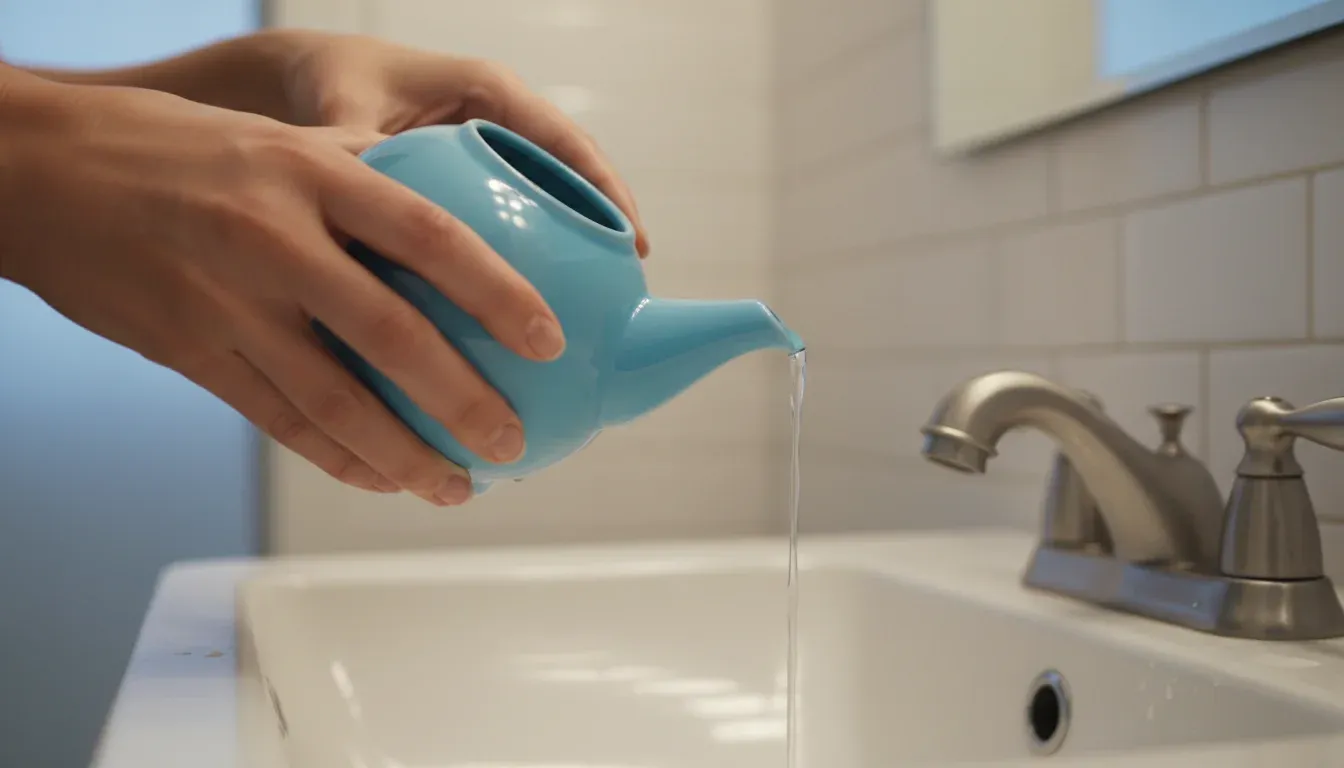
Use a neti pot or a squeeze bottle with a saline packet. Fill it with distilled, sterile, or previously boiled and cooled water, never straight tap water. That last rule matters: tap water can carry organisms that are harmless to swallow but dangerous flushed into your sinuses. Lean over the sink, tilt your head sideways, and pour into the upper nostril. It drains out the lower one, taking the congestion with it. Do one side, then the other, and use it whenever you’re badly congested.
It feels deeply strange the first time. You get used to it fast, and it works better than almost anything else on this list.
2. Steam inhalation
Warm, moist air can loosen congestion and ease the raw, blocked feeling, which is why a hot shower helps when your sinuses are packed. Run the shower hot, let the bathroom fill with steam, and breathe it in deeply. A shower is the safe way to get steam: there’s no bowl of scalding water to knock over.
Plain steam is all you need. Skip adding essential oils like eucalyptus, because inhaling them can trigger asthma symptoms in people who are sensitive. And if you have asthma yourself, steam can sometimes tighten your airways, so ease off if it makes breathing harder.
3. Warm compress on your face
Soak a washcloth in warm water, wring it out, and press it against your cheeks, nose, and forehead for five to 10 minutes. The heat eases the ache and helps the sinuses drain, and it’s the closest thing to instant relief when the pressure is peaking.
Do it whenever your face feels worst, and reheat the cloth as it cools.
4. Stay hydrated
Thin mucus drains. Thick mucus sits there and throbs. The simplest way to keep it thin is to keep drinking, so aim for water steadily through the day rather than a big glass now and then.
Warm liquids pull double duty here: a mug of tea or a bowl of broth soothes and adds a hit of steam while you sip. Go easy on alcohol and caffeine, which nudge you toward dehydration exactly when your membranes need the opposite. This won’t clear an infection by itself, but skimp on it and every other method works harder.
5. Use a humidifier
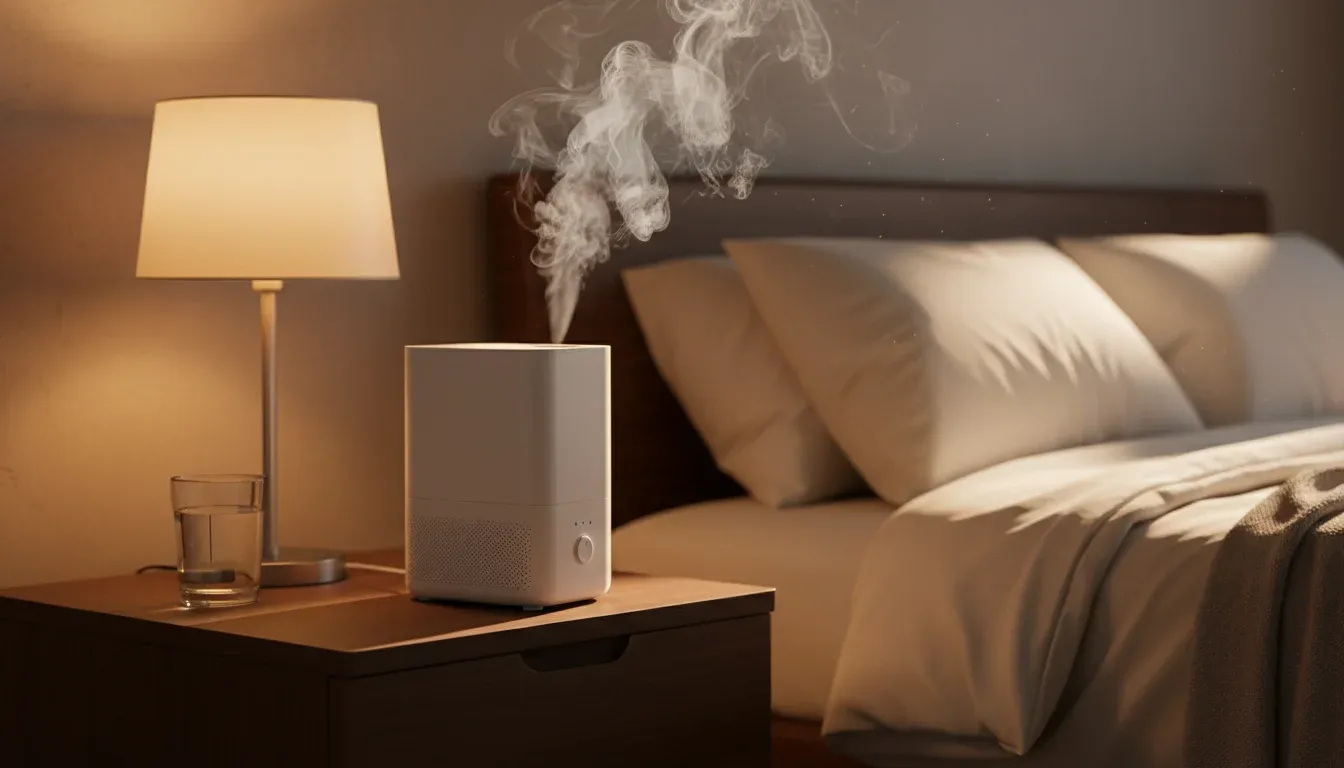
Dry indoor air, especially with the heating running, dries out already-irritated sinuses and makes the congestion feel worse overnight. A humidifier in the bedroom keeps the air moist while you sleep, so you wake up less blocked.
Keep it clean, though. A neglected humidifier grows mold and bacteria and then mists them straight into the air you’re breathing, which is the opposite of the point. Empty it daily and clean it the way the manufacturer directs.
6. Sleep with your head elevated
Lying flat lets mucus pool in your sinuses overnight, which is why you often wake up most congested. Prop yourself up on extra pillows so your head sits higher than your chest and let gravity keep things draining while you sleep.
You don’t need to sleep bolt upright. Just enough of an incline to stop the pooling makes a noticeable difference by morning.
7. Apply warm oil around your sinuses
Massage a little warm coconut or olive oil gently around your nose, cheeks, and forehead. The mix of warmth, moisture, and light pressure feels good and can help ease the sense of fullness.
It’s not a cure and it won’t touch the infection. But when your face aches, it’s a soothing few minutes. Stop if the oil irritates your skin, and skip it if you’ve reacted to coconut or olive oil before.
8. Avoid irritants
Cigarette smoke, strong perfume, and chemical fumes make inflamed sinuses angrier and keep the congestion going. Steer clear of anything that makes you want to sneeze, including the everyday sources parked right next to you: the scented candle, the plug-in air freshener, the harsh cleaning spray.
Chlorine counts too, so skip the pool until you’re better. And if you’re still smoking while your sinuses try to recover, that’s your first problem.
When to call a professional
Most sinus infections are viral and settle within a week to 10 days on their own, so a few rough days is normal and not a reason to rush in.
Book an appointment if symptoms drag on past 10 days without improving, if a fever hangs on for more than three or four days, or if you seem to recover and then get worse again, which can point to a bacterial infection. Severe facial pain or a headache that won’t let up is also worth a call, and if you keep getting sinus infections through the year, that pattern deserves a look on its own.
Treat these as urgent: swelling or redness around one or both eyes, changes in your vision, a stiff neck, confusion, or a severe headache unlike your usual. Those are rare, but they can signal the infection spreading, and they need same-day care.
FAQ
What’s the best way to treat a sinus infection?
For most people it’s a saltwater nasal rinse plus steam and fluids to keep mucus thin and draining, with a warm compress for the pressure. Since most sinus infections are viral, these home measures are the actual treatment while your body clears it. Antibiotics only help the smaller share of infections that turn bacterial, and that’s a call for a doctor.
Can a sinus infection go away on its own?
Usually, yes. Most are viral and clear within a week to 10 days without antibiotics. The home steps here manage the symptoms in the meantime. If it stretches past 10 days without improving, or improves and then worsens, that’s when to get it checked.
What are the main symptoms of sinusitis?
Facial pressure or pain around the cheeks, eyes, and forehead, a blocked or runny nose, thick discolored mucus, a reduced sense of smell, and often a headache or the feeling that your face is full and tender. A cough and tiredness are common alongside it.
What causes sinusitis?
Most often a cold or other virus that inflames the sinus lining and blocks normal drainage, which lets mucus back up. Allergies, airborne irritants, and structural issues like a deviated septum can also set it off or make it keep coming back.
Corrections
- 2026-09-26: The steam inhalation step said to lean over a bowl of hot water with a towel over your head. A bowl of hot water can scald badly if it tips, so the step now uses a hot, steamy shower instead, which is the safe way to inhale steam.