Table of Contents
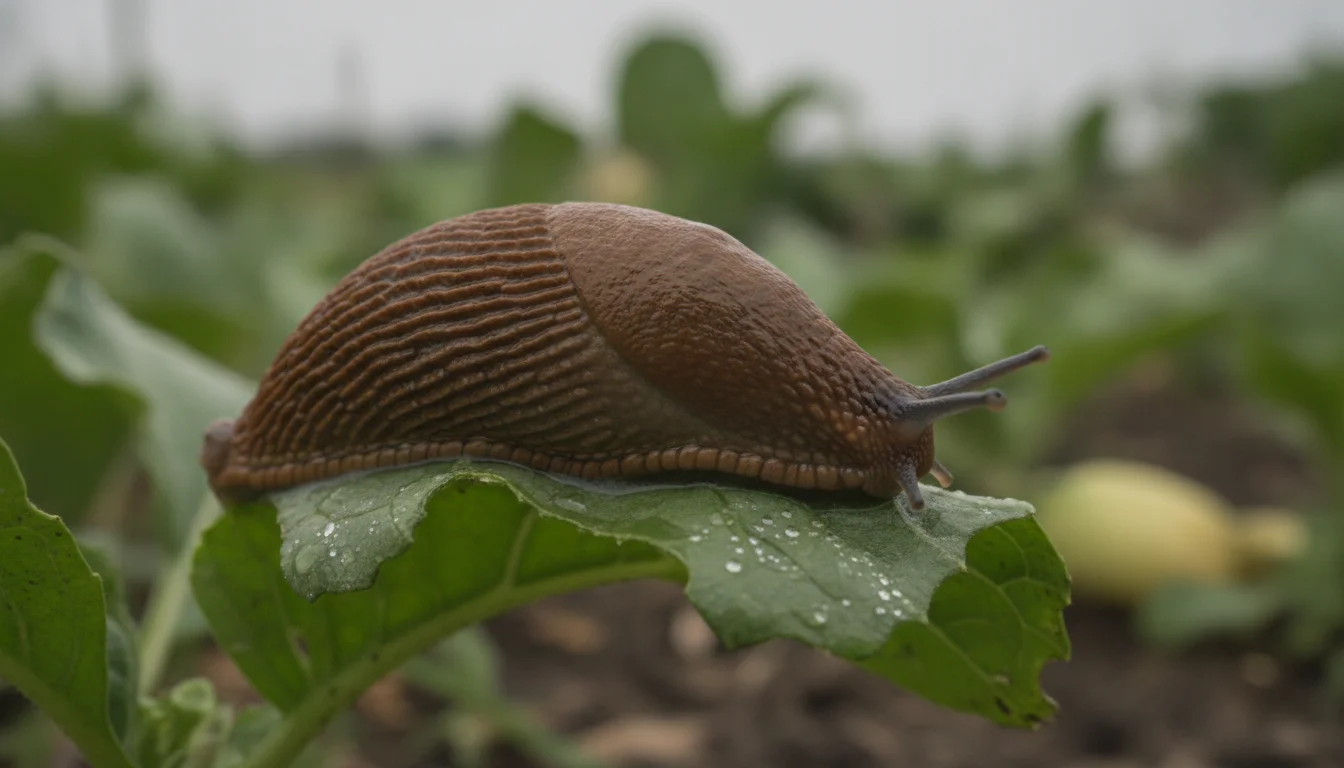
Slugs are the quiet tax on every garden. They work at night, they hide under things during the day, and by the time you notice the damage – ragged holes in your hostas, decimated seedlings – they’ve already been at it for weeks. The frustrating part isn’t that they’re hard to kill. It’s that killing the ones you see does nothing if you haven’t changed the conditions that make your garden attractive to them in the first place. So: stop thinking of this as a slug problem and start thinking of it as a garden management problem.
Traps
The simplest approach, and it works. A slug trap is just a container sunk to soil level with something inside that slugs want. Beer is the classic – they’re attracted to the yeast, they fall in, they drown. A dedicated slug trap made from a plastic bottle does the same job and is easy to lift and empty.
Cardboard traps work on a different principle. They exploit the slug’s need for daytime shelter. Lay damp cardboard near problem areas at night, and you’ll find dozens sheltering under it by morning. Collect and dispose of them before the day heats up. Not glamorous, but effective at quickly reducing numbers.
Night watch – going out after dark with a headlamp and a bucket of soapy water – is tedious but produces immediate results. Do it on a damp evening after rain and you’ll be surprised how many you’re dealing with.
Physical barriers
Barriers don’t kill slugs. They redirect them. That distinction matters because it means they only work if they’re actually blocking the routes slugs are using.
Copper is the barrier with real evidence behind it. A copper band or tape around a bed or pot gives slugs a mild shock-like deterrent when their slime meets the metal, so they turn back. The catch is upkeep: the effect fades once the copper tarnishes or gets coated in dirt, so wipe it clean each season and check there is no leaf or stem bridging over the top for slugs to cross.
Propagation domes protect individual seedlings through the vulnerable early weeks, when a single night of feeding can clear a whole sowing. A cloche or a cut-down clear drinks bottle over each seedling does the same job for nothing. Press the rim into the soil so slugs can’t slide under, and lift it on warm days so the seedling doesn’t cook underneath.
Diatomaceous earth is a physical barrier in powder form. It damages the slug’s underbody as it crosses. Dry conditions required – rain or irrigation nulls the effect entirely, so reapply after every wet spell.
Chemical and organic baits
For broad-area control, baits are the tool. Iron phosphate bait is the one to reach for first. It works, and unconsumed pellets break down in the soil. It is lower risk than metaldehyde, but it is not harmless: the label carries caution and storage directions, so keep the box away from children and pets and follow the rate on the pack. Scatter the pellets thinly around vulnerable plants rather than heaping them in piles.
Slug balls (metaldehyde-based pellets) work faster but come with real downsides around hedgehogs, birds, and dogs. Use iron phosphate instead unless you have a compelling reason not to.
Slugs need moisture to move, which is why dry surfaces slow them down. Salt kills a slug on contact by dehydration, but don’t use it in the garden: UC IPM warns that it raises soil salinity and harms the soil and the roots around it.
Biological control
There are two approaches. First, encouraging what’s already there: ground beetles, frogs, and birds all eat slugs, along with hedgehogs where you have them, so garden practices that give those predators cover and water help keep numbers down. Second, nematodes – microscopic worms sold as a soil drench, best known as Nemaslug in the UK. Watered into moist soil in late summer, they infect and kill slugs underground where you never see them. One treatment lasts about six weeks and needs moist soil above 41°F (5°C) to work. Note that no commercial nematode slug control is currently sold in the United States, so this is a route for UK and European gardeners rather than US ones.
Garden and cultural practices
This is the category most people skip, and it’s the reason they keep fighting the same problem every year.
Watering early in the day means the soil surface dries out by evening – when slugs are active. Evening irrigation is essentially an invitation. Cleaning up fall vegetation removes overwintering sites. Debris piles, old boards, thick leaf litter – all of these are slug hotels.
Growing slug-resistant plants isn’t about giving up on the plants you want. It’s about accepting that some plants need extra protection and others don’t. Hostas are a favourite and usually need protecting. Lavender and aromatic herbs are much less appetizing to slugs, so they rarely do. Plan accordingly.
Where it shows up
The garden is the main battlefield, but the specific problem changes depending on what you’re growing and what you’re trying to protect. How to get rid of slugs from your garden covers cultural and biological approaches focused on the garden as an ecosystem. For hard-edge protection of specific beds or containers, how to get rid of slugs with barriers goes deep on physical exclusion. And how to get rid of slugs with traps and baits is where to go if you want the fastest knockdown of an existing population.
Corrections
- 2026-09-17: An earlier version called iron phosphate slug bait "safe around pets and wildlife." That is wrong. Extension guidance and the product label note it can be toxic to children, pets and wildlife and carry caution and storage directions. The bait is lower risk than metaldehyde, not harmless, so it now reads that way.
- 2026-09-17: An earlier version suggested "targeted" garden use of salt against slugs. That advice has been removed. UC IPM advises against using salt in the garden because it raises soil salinity and harms the soil.