Table of Contents
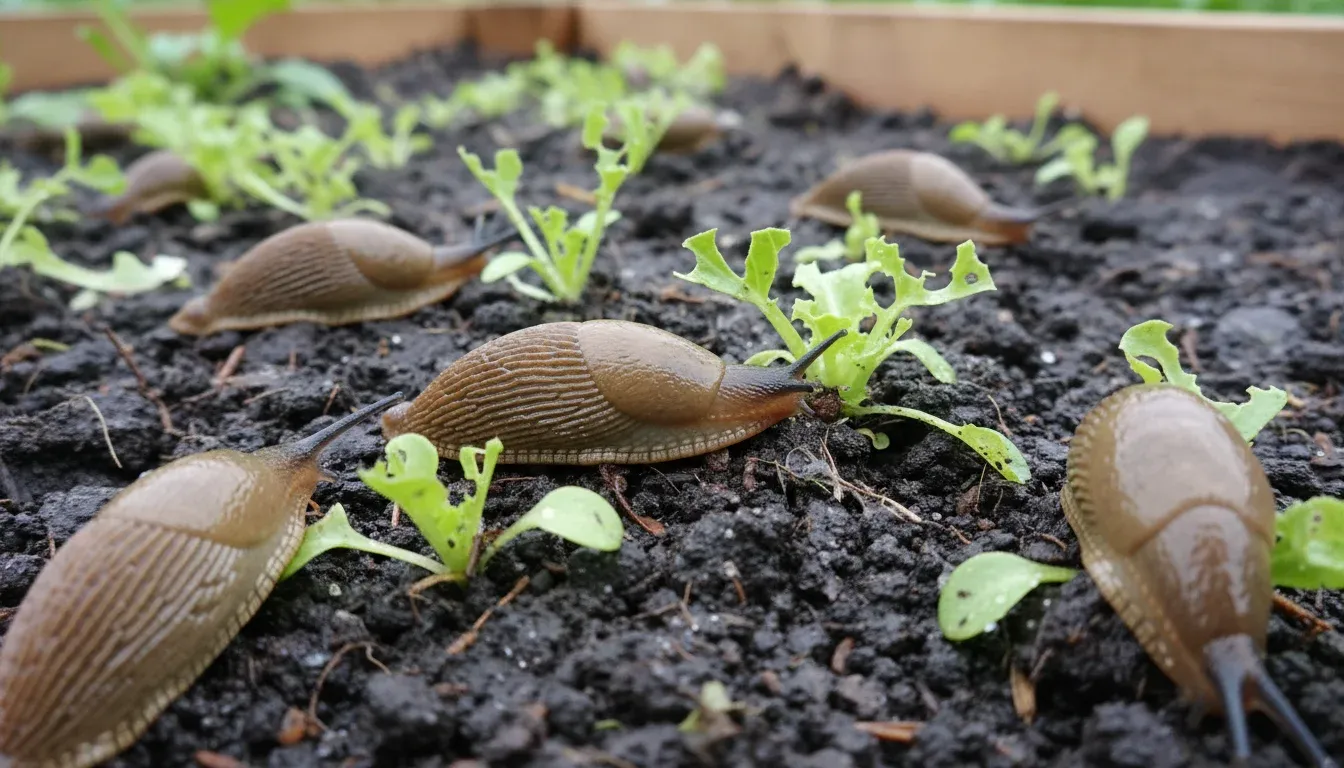
You wake up and your seedlings have been shredded. Overnight. Again. The frustrating part isn’t the slugs themselves – it’s that most gardens are accidentally built for them. Moist soil at night, clutter everywhere, the exact plants slugs love most. These 5 methods don’t kill slugs directly. They fix the setup so slugs can’t operate in the first place. No buying anything required. And unlike traps or bait, they stay effective across the whole season without reapplication.
1. Water Early in Day
Slugs need moisture to move. Water in the morning so the soil surface dries out by evening. Dry ground at night means slugs stay hidden and can’t reach your plants.
Late afternoon or evening watering creates perfect slug conditions all night – damp soil, active slugs, tender plants. Don’t do that. This is the single biggest thing most gardeners are getting wrong without knowing it, and changing your watering time costs nothing.
If you’re using drip irrigation or soaker hoses, set them to run at first light. If you water by hand, do it before noon.
2. Remove Garden Clutter
Slugs only come out at night, and they spend the day hiding. Every piece of clutter – old pots, boards, dense groundcover, unused containers, anything not essential – is a potential daytime hide-out.
Walk your garden and strip it back. Stacked pots, old wood, low-hanging foliage that touches the ground: all of it is shelter. Less clutter means fewer hiding spots and a smaller area where slugs can breed undetected. It’s a one-time effort that compounds across the whole season.
3. Clean Up Fall Vegetation
Dead leaves, plant debris, and rotting material give slugs warm, moist spots to overwinter and lay eggs. Clean your garden beds in fall, before the cold sets in. Bag the debris or hot-compost it (cold compost piles are slug hotels – they stay moist and protected all winter).
Skip this and you’re funding next year’s population. One slug can lay up to 30 eggs at a time and reproduce several times per season. A season of neglect can mean thousands of eggs sitting in your soil waiting for spring.
4. Grow Slug-Resistant Plants
Some plants are naturally slug-proof. Lavender, rosemary, sage, fennel, and most other strong-scented herbs get ignored entirely. Slugs also avoid fuzzy-leaved plants like lamb’s ear and borage, ornamental grasses, and anything with leathery leaves – ferns, succulents, hellebores.
Plant these around your vulnerable stuff as a living barrier. Or accept that hostas, daylilies, and young lettuce are slug magnets and plan accordingly – either protect them or grow something more resistant. This is the long-game garden design fix. Set it up right and it keeps working without any maintenance.
5. Encourage Slug Predators
Frogs, toads, hedgehogs, and ground-feeding birds will handle a meaningful chunk of your slug problem without you doing anything.
Give them a reason to hang around. A small wildlife pond or consistently damp corner attracts amphibians (they don’t need much – even a buried half-barrel works). A bird bath and low feeders bring thrushes and blackbirds, both reliable slug hunters. Hedgehogs need access through fences – a 5 in (13 cm) gap at ground level is enough. You set up the habitat once. Nature runs the patrol indefinitely after that.
FAQ
Why do I suddenly have so many slugs in my garden?
Usually because conditions shifted in their favor – wet weather, a new pile of debris, or clutter that accumulated over the winter and gave them more hiding spots. Slug populations spike fast because they breed year-round in mild weather. Look for what changed in your garden setup and fix that first rather than reaching for bait.
How do I permanently get rid of slugs?
The permanent solutions are ecological, not chemical. Slug-resistant planting and predator encouragement are the two that stick. Chemical baits and traps need constant reapplication. A garden that attracts frogs and uses the right plants manages itself.
What kills slugs instantly?
Salt works – direct contact dehydrates them within seconds. But applying salt around your garden damages soil structure and kills the organisms that make it healthy. It’s useful for the odd slug you find on a patio, not as a garden-scale solution. The methods above are slower but they don’t wreck your soil in the process, and they address why the slugs are there instead of just killing the ones you catch.