Table of Contents
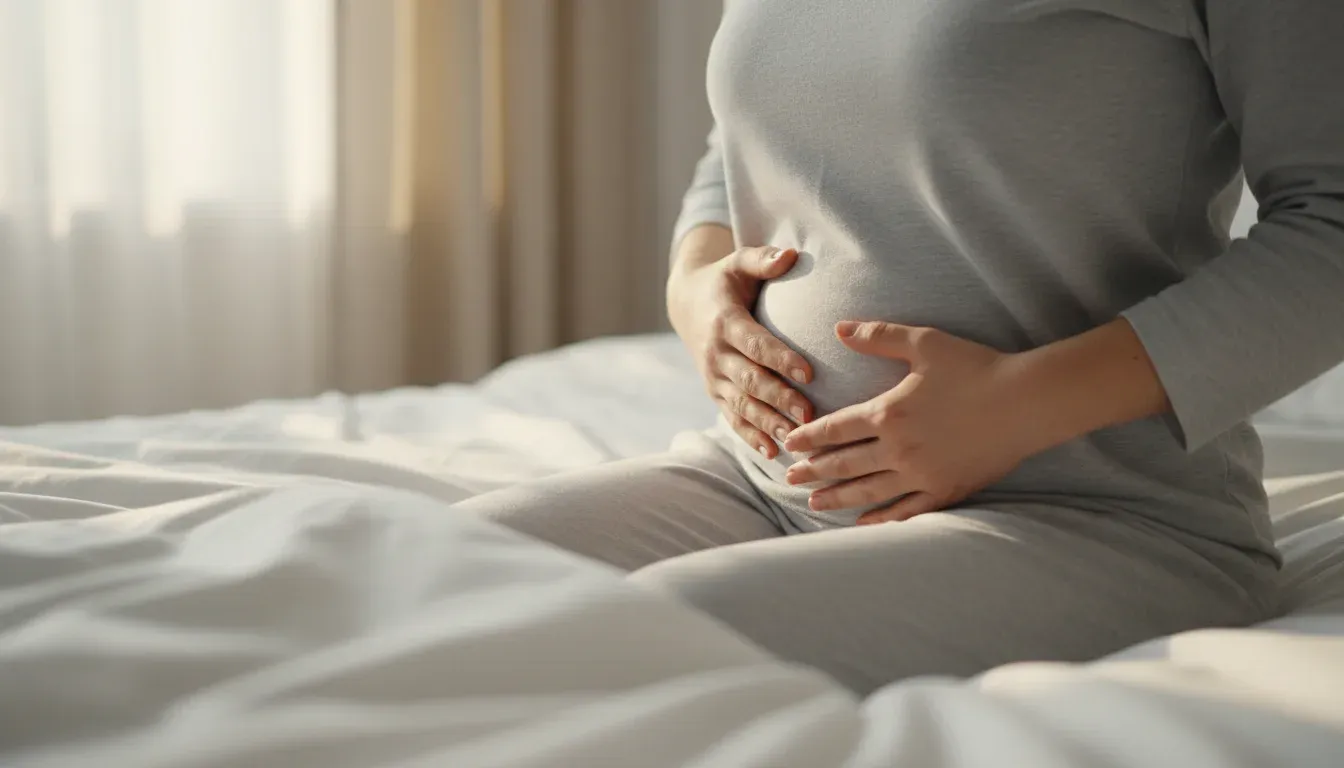
Period pain can wreck a day. School gets missed, work gets called off, and everyone around you expects you to just power through it. You don’t have to. Most period cramps ease with a handful of simple things you can do at home, and the two that work fastest cost almost nothing.
Here’s what actually helps, strongest first, plus the signs that mean it’s worth getting checked rather than riding out. (If it’s your leg or foot seizing up rather than your lower belly, that’s a muscle cramp, not this – see muscle cramps instead.)
Why period cramps hurt
Cramps happen because your uterus is contracting to shed its lining. Those contractions are triggered by prostaglandins, hormone-like chemicals tied to pain and inflammation, and the more of them you make, the harder the squeeze and the worse the ache. That’s the whole mechanism, and it’s why anti-inflammatory steps and heat help.
Pain that shows up a day or two before your period, often alongside PMS symptoms, and settles within two or three days month after month, is the common kind. Pain that’s new, one-sided, much worse than your usual, or tied to heavy or irregular bleeding can point to something else going on, which is what the “when to see a doctor” section below is for.
1. Put heat on it
Heat is the single most effective thing you can reach for, and studies put a good heat pad about on par with ibuprofen for cramps. Warmth relaxes the contracting muscle and eases the spasm.
Lie down with a heating pad, a hot water bottle, or a stick-on heat patch on your lower abdomen for 15 to 20 minutes. A warm bath or shower does the same job if you’d rather soak. Set it to a level that feels good without burning your skin, and don’t leave a pad on for hours or fall asleep on it. Short, repeatable sessions beat one long roasting.
2. Take an over-the-counter pain reliever
An over-the-counter anti-inflammatory, ibuprofen or naproxen, works better than plain paracetamol here because it lowers the prostaglandins driving the cramp rather than just muffling the pain.
The trick is timing: take it at the first sign, ideally as your period starts, instead of waiting until you’re already doubled over. Waiting makes it far less effective. Follow the directions on the label for how much and how often, and don’t double up thinking more works faster. If anti-inflammatories don’t suit you (stomach or other reasons), the label on a paracetamol pack is the fallback. Roughly one in five people get little relief from these, so if that’s you, lean harder on heat and the steps below.
3. Keep moving, gently
It feels backwards when you’re curled up, but gentle movement loosens cramps better than lying still. Light stretches that target the lower belly and back help most: child’s pose, or lying on your back and hugging your knees to your chest.
A slow walk, easy swimming, or a few minutes of gentle yoga all count. Don’t force an intense workout while you’re actively cramping; you’re aiming to ease tension, not train. Regular cardio in the weeks between periods also tends to make each month’s cramps milder over time, so movement pays off twice.
4. Sip a warm drink
A warm drink does two useful things: the heat relaxes you from the inside, and staying topped up with fluid stops your body clinging to water, which makes bloating and cramps feel worse.
Chamomile tea is a good pick because it’s calming and eases muscle tension; ginger tea and plain warm water work too. Steep a chamomile bag for about five minutes, add a little honey if you like, and skip the extra caffeine, which can leave you more wound up. It won’t knock out a strong cramp on its own, but it’s an easy comfort to stack on top of heat.
5. Massage your lower belly
A few minutes of gentle self-massage can take the edge off. Warm your hands, lie back with your knees bent, and make slow, light circles around and just below your navel, then work down toward the pubic bone. Add the lower back if that’s where the ache spreads.
Keep the pressure light: you’re relaxing a tense muscle, not digging in, and hard pressure just makes a cramping muscle guard. A little lotion or oil lets your hands glide. It works best right after a warm bath or with a heat pad resting on your belly between rounds.
When to see a doctor
Most period pain is normal and manageable at home. See a doctor, though, if any of these fit:
- The pain is severe, or worse than your usual, and painkillers don’t touch it.
- Cramps stop you doing normal activities every month.
- Your pattern changes: periods that become more painful, heavier, or irregular, or severe cramps that start for the first time after your mid-twenties.
- You bleed between periods, or bleeding is very heavy.
- Pain comes with a fever, unusual discharge, or hurts during sex or when peeing or pooing.
Pain like that can be a sign of something treatable, such as endometriosis, fibroids, or an infection, and it’s worth a clinician’s look rather than another month of guessing. You don’t need to work out which one yourself; that’s their job.
Period pain FAQ
What’s the fastest way to get rid of period cramps? Heat plus an over-the-counter anti-inflammatory, taken together at the first sign. A heat pad on your lower belly starts working in minutes, and ibuprofen or naproxen is most effective when you take it early rather than once the pain has peaked.
Why are my period cramps so painful? Higher levels of prostaglandins make your uterus contract harder. Some people simply make or feel more of them, so their cramps hit harder for no dramatic reason. Pain that’s suddenly much worse or different from your normal is worth getting checked.
Do heat pads really work for period pain? Yes. Reviews of the research put heat therapy about as effective as ibuprofen for menstrual cramps, and more effective than paracetamol. It’s cheap, drug-free, and safe to repeat, which makes it a sensible first move.
What can I do if painkillers don’t help? Stack the non-drug steps: heat, gentle movement, a warm drink, and light massage all help on their own and add up together. If cramps regularly beat everything you try, that’s a reason to see a doctor rather than tough it out.