Table of Contents
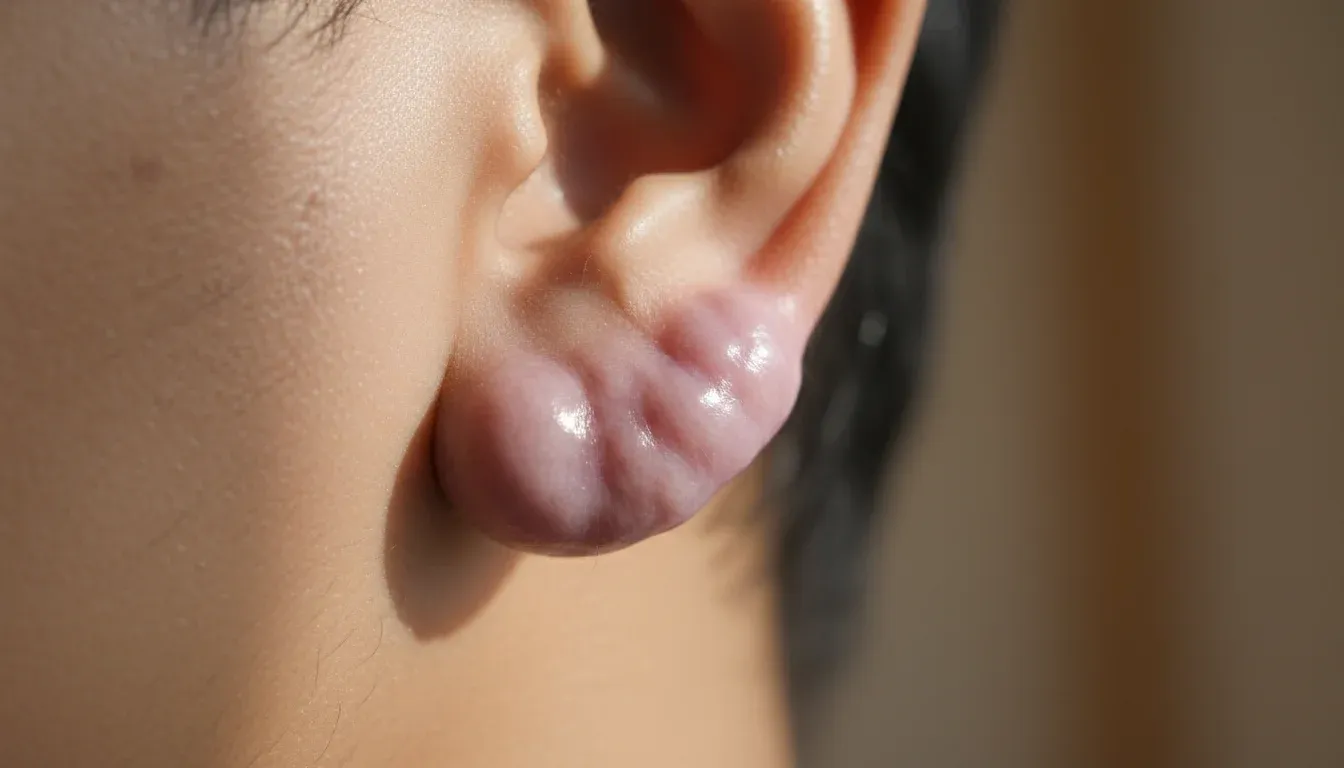
Keloids are raised scars that grow beyond the original wound. They are not dangerous, but they are stubborn and visible, which is why people want them gone.
Be honest with yourself about what an at-home approach can do. Nothing on a shelf dissolves dense, established keloid tissue. But the right OTC options, used consistently, can flatten a newer keloid, keep one from growing, and make it less obvious. Timing matters more than any single product: a keloid treated at four months is far more tractable than the same one at eighteen. Here is what you can actually try first.
1. Silicone gel sheets
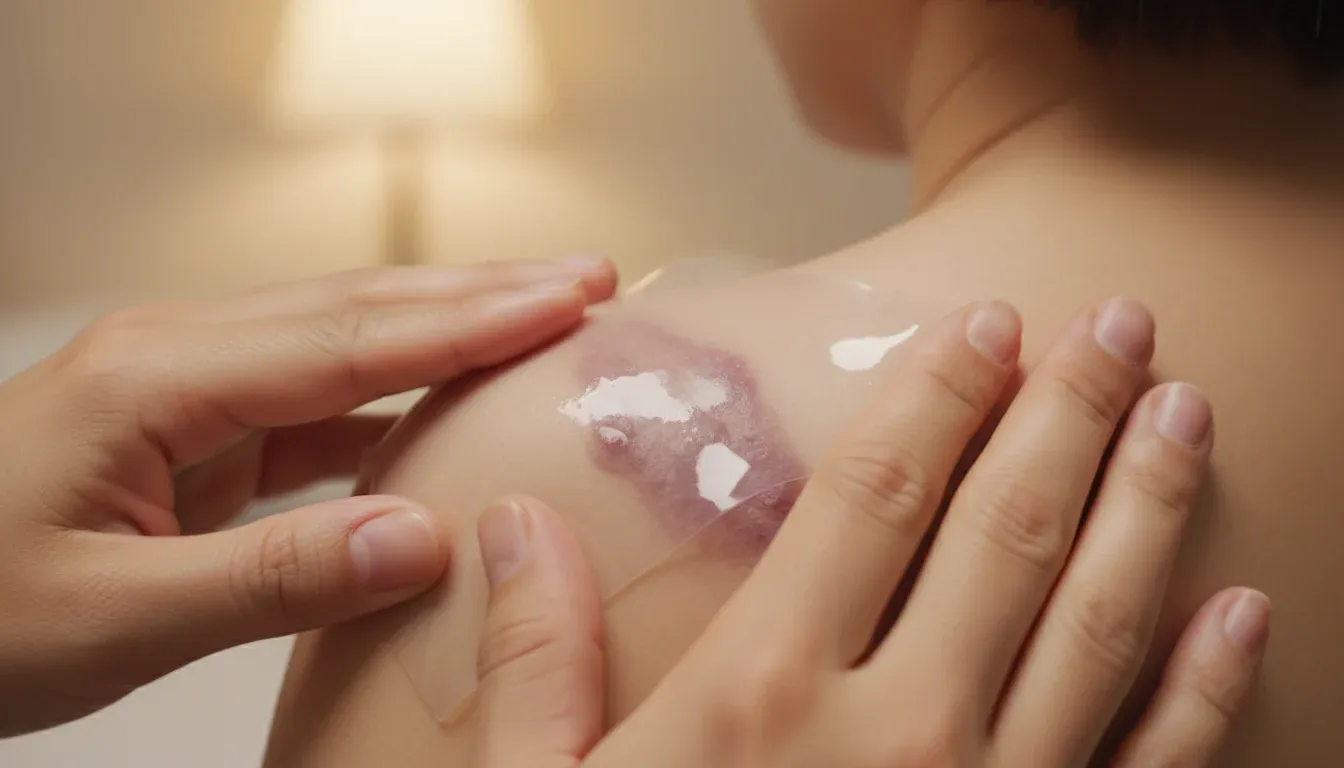
This is the at-home option with the most evidence behind it, and the one dermatologists point to first. Press-and-stick silicone sheets create a sealed, hydrated layer over the scar that slows the excess collagen production that makes keloids thick and raised. They work best on newer keloids, under a year or so old.
The catch is commitment. You have to wear them 12 to 24 hours a day, and it takes three to six months to see a real change. The sheets are reusable for a few weeks each, so the $20 to $40 upfront spreads out. Follow the directions on the pack, and start here before anything else.
2. Pressure earrings or compression
If the keloid is on an earlobe from a piercing, an OTC pressure earring can compress the tissue and hold back further growth. You wear it continuously, at least 12 and preferably 20 hours a day, for four to six months.
It is the same idea as silicone, applied by squeezing rather than sealing, and the evidence for ear keloids is reasonably consistent. Two honest limits: pressure works best while a keloid is still forming, and taking the jewelry off does not undo one that has already set. It manages and prevents more than it removes.
3. Onion extract gel
Sold as Mederma and various generics, these OTC scar gels use onion extract, which has anti-inflammatory properties and is meant to improve a scar’s color and texture. The research is genuinely mixed: some trials show improvement, others find it no better than plain petroleum jelly, and it shifts color more than height.
If you want to try it, apply per the label and give it at least eight weeks. It pairs well with silicone. Low-risk, uncertain payoff, and it needs patience.
4. Coconut oil
Coconut oil will not rebuild skin or change the structure of a keloid, and anyone who tells you it melts scars away is wrong. What it does is cheap and modest: sustained hydration softens raised, rough tissue and makes it more comfortable.
Smooth a thin layer over the keloid once or twice a day to keep it hydrated. Do not rub, press or stretch the scar, as working keloid tissue can aggravate it. Treat this as comfort and upkeep alongside silicone, not as the thing that shrinks the keloid.
Some remedies get passed around online but have no evidence behind them for keloids: apple cider vinegar, lemon juice, tea tree oil, aspirin paste and baking soda scrubs. There is no good reason to expect them to flatten dense keloid tissue, so your effort is better spent on the options above.
When to see a professional about keloids
At-home care handles small, quiet keloids. See a doctor or dermatologist if a keloid is growing quickly or spreading well past the original wound, if it is painful, intensely itchy, or catching and bleeding on clothing or jewelry, or if it limits how a nearby joint moves. Get any lump checked promptly if it changes fast, ulcerates, or bleeds without being knocked, so a professional can confirm what it is.
A dermatologist can assess the scar in person and talk you through the options a shelf cannot offer. Going in with a clear description of how long you have had it and how it has changed makes that visit more useful.
Frequently asked questions
What is the main cause of keloids?
A keloid is the skin overhealing after an injury: a piercing, cut, burn, acne spot, or surgery. Some people are simply prone to it, and the tendency runs in families. Keloids are more common under 30 and in darker skin tones.
Can keloids go away on their own?
Rarely. Left alone, a keloid usually stays put or slowly enlarges rather than fading. That is why starting at-home care early, while it is small, gives you the best chance of flattening it.
Can keloids become cancerous?
No. Keloids are benign overgrowths of scar tissue, not cancer. That said, if a lump changes quickly, bleeds, or breaks open, have a professional look at it to rule out anything else.
Can you prevent keloids?
If you are prone to them, the biggest lever is avoiding unnecessary piercings, tattoos and elective skin procedures. When you do injure the skin, watch the spot, and at the first sign of thickening start silicone or a pressure earring early, before a full keloid forms.