Table of Contents
German cockroaches are the small tan ones, about 1/2 to 5/8 inch (13 to 16 mm) long with two dark stripes behind the head, that scatter when you switch on the kitchen light. They live only indoors, mostly in kitchens and bathrooms, and they breed faster than the bigger roach species. So if you’re working out how to get rid of German cockroaches, start here: spraying the ones you see does nothing about the hundreds you don’t.
What works is bait, lots of small doses of it, put where they hide. But three things sink most DIY attempts, and the usual how-to pages skip all of them. Some roaches stop eating a bait, so you have to check they’re taking it and switch when they aren’t. Bug bombs make the problem worse. And without sticky traps you’re guessing whether anything is working.
Why they take over your kitchen
They don’t walk in from the yard. They get carried in: grocery bags, beverage cartons, cardboard boxes, suitcases, secondhand furniture. In an apartment building they also travel between units through shared walls, ceilings, pipes and wiring, which is why even a spotless kitchen can get them.
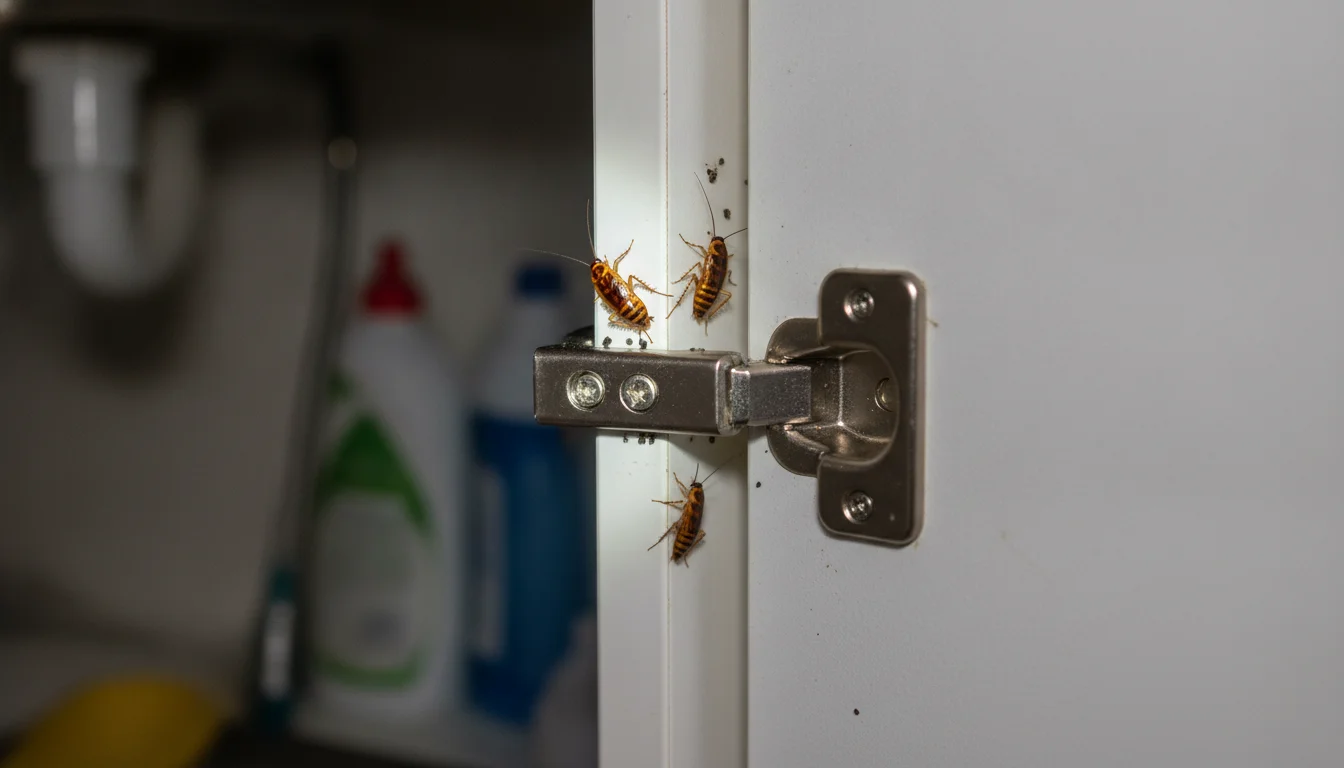
Once inside, they want warmth, moisture and food. That means cracks under sinks and toilets, the space behind and under the fridge, dishwasher and stove, cabinet hinges and corners, and the inside of toaster ovens, clocks and other warm electronics.
Then the math gets ugly. Each egg capsule holds up to 48 eggs, and the female carries it with her until it’s nearly ready to hatch, so far more of them survive than with other species. She makes a new one about every 6 weeks. A single mated female can produce thousands of roaches in less than a year.
1. Set sticky traps first, and keep them out
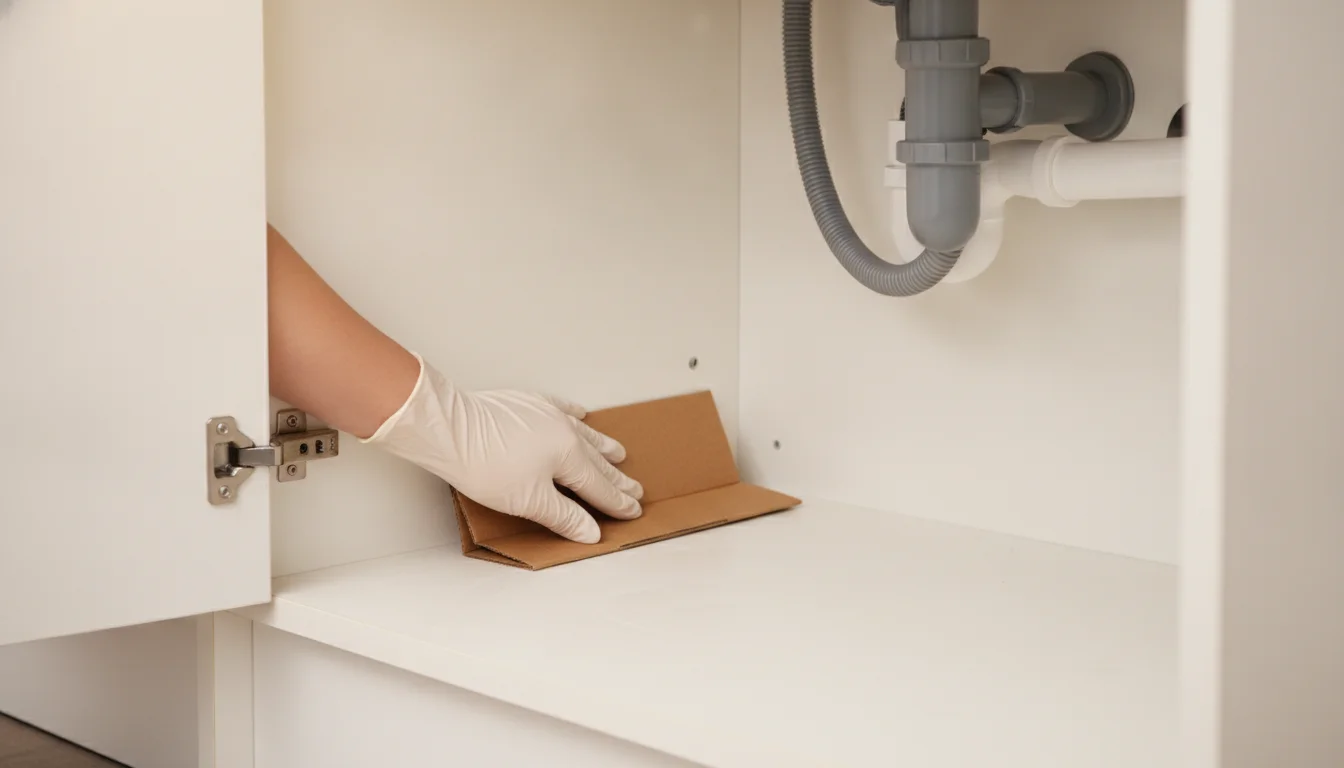
This is your scoreboard. Put out 10 or more traps: inside the cabinet under the sink, in the cabinet next to the stove, on the floor by the fridge and stove, beside the trash can, behind the toilet. Push each one flush against a wall or into a corner, because that’s where roaches walk. Keep them out of reach if you have small kids or pets.
Check them daily at first. Within a week you’ll know which spots are worst, and that’s where the bait goes.
Then leave the traps in the same places and count what they catch every week. Falling counts mean the treatment is working. Flat counts mean it isn’t, and the most likely reason is in step 5. You’re done when the traps catch nothing for 4 weeks straight. Not when you stop seeing roaches in the evening.
2. Starve them
Bait has to compete with every other meal in your kitchen, and right now it’s losing. Wipe the counters and stovetop every night, including the grease behind the stove. Don’t leave dishes or pet food out overnight. Move cereal, crackers, flour, sugar and bread into airtight containers. Take the garbage out every evening, into a can with a tight lid.
Get rid of stacked paper bags, cartons and newspapers too. They’re shelter, and German roaches will even eat the glue.
3. Vacuum them out
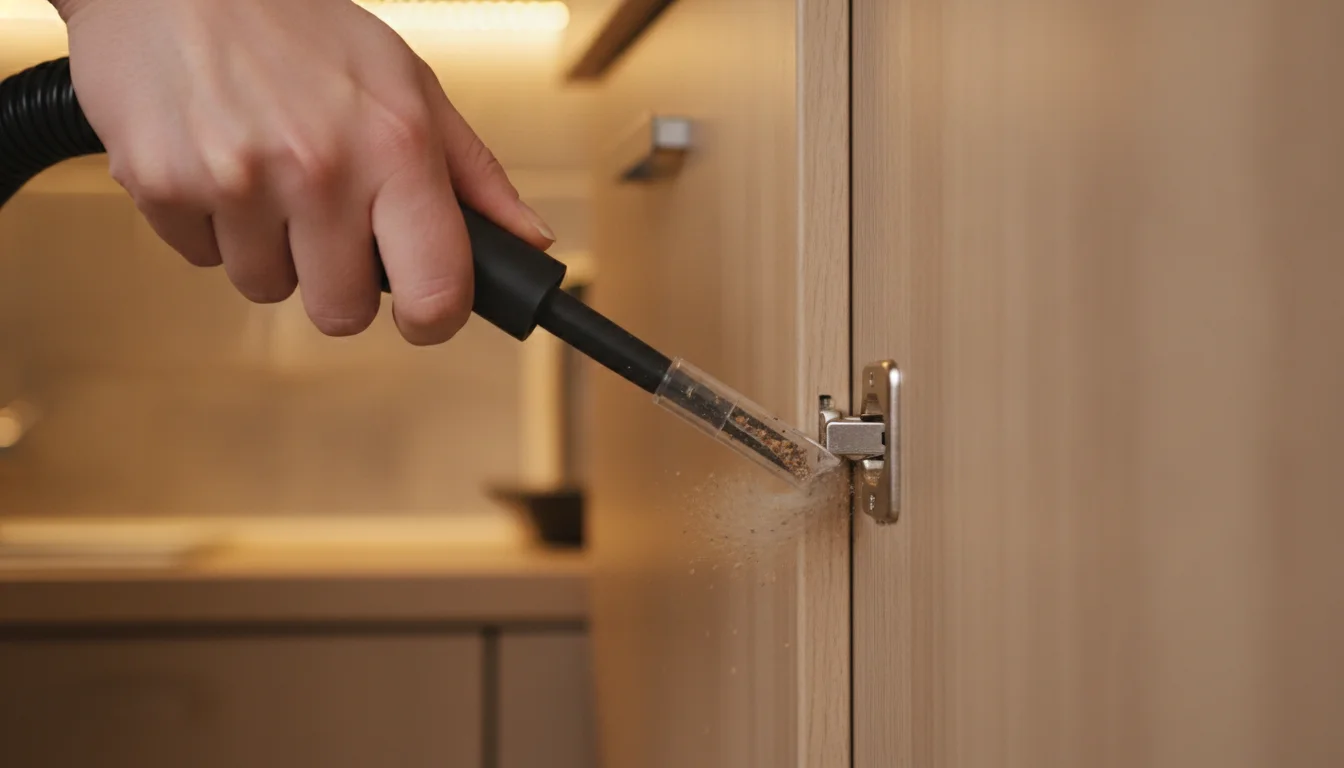
A vacuum with a HEPA filter and a crevice tool takes out live roaches, dead ones, droppings, shed skins and egg cases in one pass. Run it along cabinet hinges, inside the corners of cabinets and drawers, and under and behind the fridge and stove. The HEPA filter matters because roach droppings and shed skins carry allergens that trigger sneezing and asthma,. Empty the canister or bag into a sealed bag in the outside trash.
4. Bait where they hide
This is the step that actually kills them. Cockroach bait mixes a slow poison with food. A roach eats it, crawls back to its hiding spot and dies within 1 to 3 days, and roaches that feed on its droppings get a dose too.
Gel bait in a syringe beats stations for reach. Put down many pea-sized dabs, not lines or big globs, into cracks, cabinet corners, door hinges and the edges of shelves. The cabinet under a kitchen sink alone can take more than a dozen dabs. Put more next to any pepper-like droppings you find, because those specks smell like home to them and draw them in.
Use stations as well, pushed flush against corners and cabinet edges where roaches travel. Slide a few behind the fridge and stove with a broom handle. A station behind or under an infested toaster oven draws out the roaches living inside it.
Give it 7 days or longer before you see fewer roaches. Top up dabs that get eaten, and replace gel that’s dried hard.
Don’t set off a bug bomb. Foggers drift onto open surfaces and barely reach the cracks where German roaches live, and the spray repels them, so they move deeper into wall voids. They’re also flammable near pilot lights. Surface sprays have the same problem: spray near your bait and the roaches avoid the bait.
5. Switch baits when they stop eating
This is the part almost nobody tells you. Some German cockroach populations have learned to avoid the bait itself. Researchers at North Carolina State found roaches that inherited an aversion to glucose, the sugar many baits use as the lure, so they walk past the bait and keep breeding. Others have built up resistance to common bait poisons such as fipronil, hydramethylnon, indoxacarb and abamectin.
The signs: dabs still sitting there untouched after a few days while the traps keep filling up. Or bait that’s being eaten while the trap counts don’t drop.
Entomologists start with a taste test. Put two or three small dabs of different baits side by side near where the roaches gather, and see which one disappears. Use that one. When you switch, change both the active ingredient and the brand, because the roaches may be refusing the food base, not the poison.
6. Puff boric acid into the voids
Bait covers the cracks you can reach. Boric acid dust covers the ones you can’t. Roaches walk through it, pick it up on their legs and swallow it while grooming.
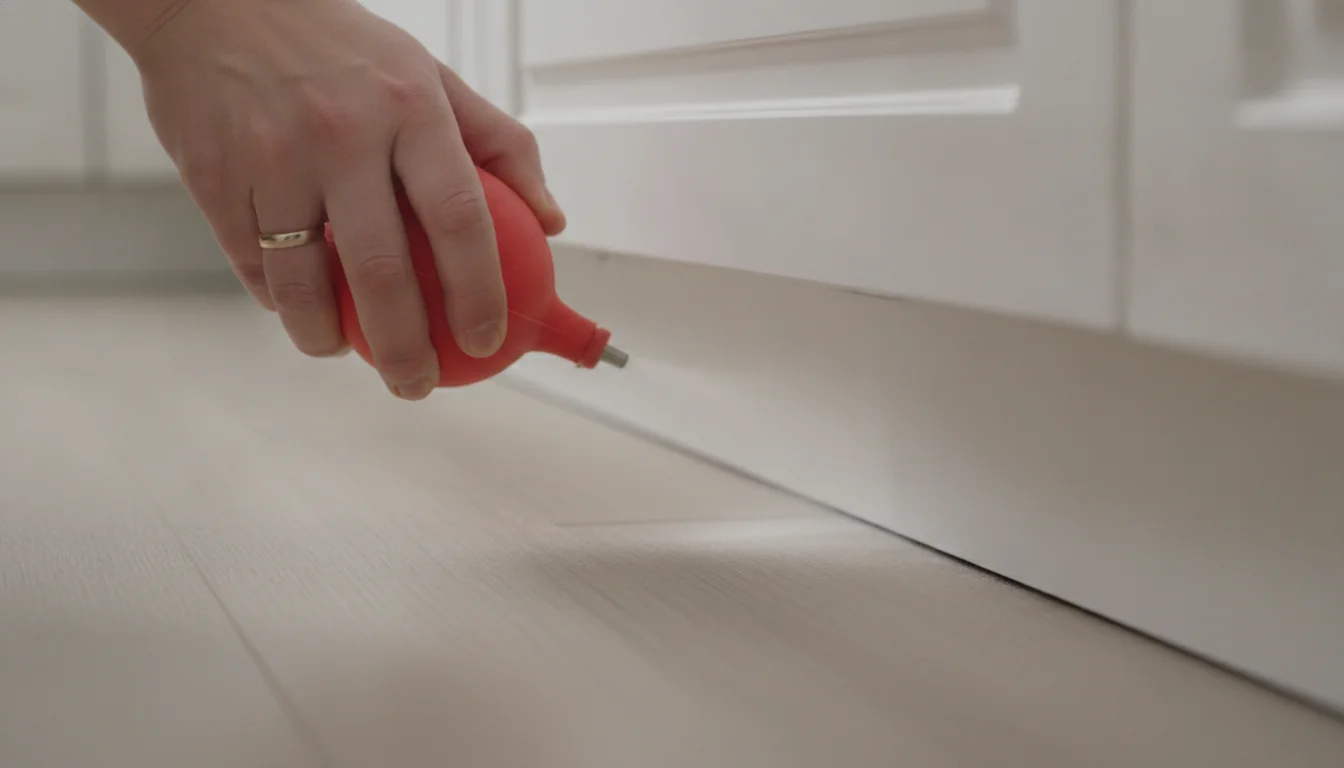
Use a bulb duster and lay down a deposit so fine you can barely see it. Roaches walk around a heap of powder the way you’d walk around a snowdrift. Puff it along the wall and floor joint behind the fridge, stove and dishwasher, into gaps where plumbing goes into the wall, and through the cracks at the top of the kick panel under the kitchen cabinets, where there’s a hollow space they love. Never on countertops or food surfaces, never into electronics, and keep it away from kids and pets. Dry dust keeps working for a long time. Damp dust doesn’t.
7. Add an insect growth regulator for a heavy infestation
An IGR doesn’t kill roaches. It stops nymphs from maturing and breeding, which breaks the cycle that keeps refilling your kitchen. They come as sprays, aerosol foams and in some baits. On their own they’re too slow to cut numbers, so use one alongside bait, and only when the infestation is heavy or keeps coming back.
8. Fix the leaks
German roaches need moisture, which is why they cluster around sinks, dishwashers and toilets. Fix dripping faucets and leaking pipes under the sink, and dry out any cabinet that stays damp.
9. Seal the cracks and pipe gaps
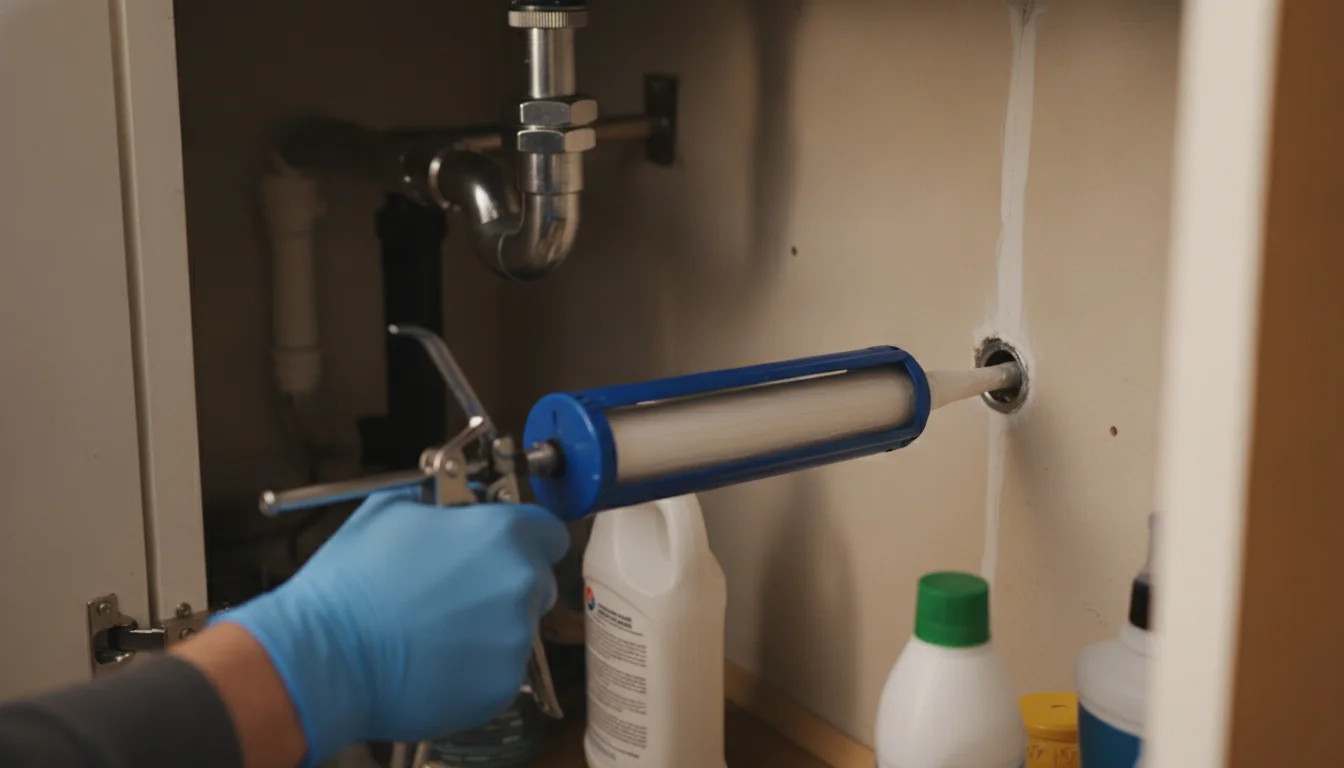
Caulk cracks along countertops, backsplashes and baseboards, and seal the holes where pipes and wires go through walls and floors with caulk, expanding foam or copper mesh. Each sealed gap is one less place for them to hide. In an apartment it also cuts the traffic between your unit and your neighbors’.
10. Check what comes through the door
Most German roach problems start with one ride-along. Unpack groceries and deliveries promptly and don’t store the bags and cartons. Look over secondhand furniture and boxes from storage before they come inside.
Keep them from coming back
Leave two or three sticky traps in the kitchen corners and under the sink for good. They’re the cheapest early warning there is. And if you’re in an apartment, tell your neighbors and the landlord when you find roaches, because German roaches travel between units through shared walls, pipes and wiring.
When to call a professional
Call someone if you’ve baited, switched baits, and the trap counts still haven’t dropped after a few weeks. Call sooner, and tell the landlord, if you’re in an apartment and they keep coming back: they travel between units through walls and pipes, so one clean kitchen can’t hold the line alone. Pros also have bait formulations that aren’t sold in stores.
A good technician inspects on every visit and treats cracks and hiding spots, not baseboards. Be wary of a company that insists on a full year of monthly service: clearing German roaches from a single-family home shouldn’t take a year if the treatment is done right.
German cockroach FAQ
How long does it take to get rid of them?
A roach dies 1 to 3 days after it eats bait, and you should see fewer within about a week. A clear drop takes a few weeks. Re-bait the active spots every 2 to 4 weeks until the sticky traps catch nothing for 4 weeks in a row.
Why am I suddenly seeing them in the daytime?
German roaches hide by day. Daytime sightings mean the population is large, or that something is stressing them: no food or water, or a recent insecticide spray.
Can they come from my neighbor’s apartment?
Yes. They move between units through shared walls, ceilings, pipes and wiring. Sealing pipe and wire gaps helps. So does telling the landlord early, because infestations spread easily between units.