Table of Contents
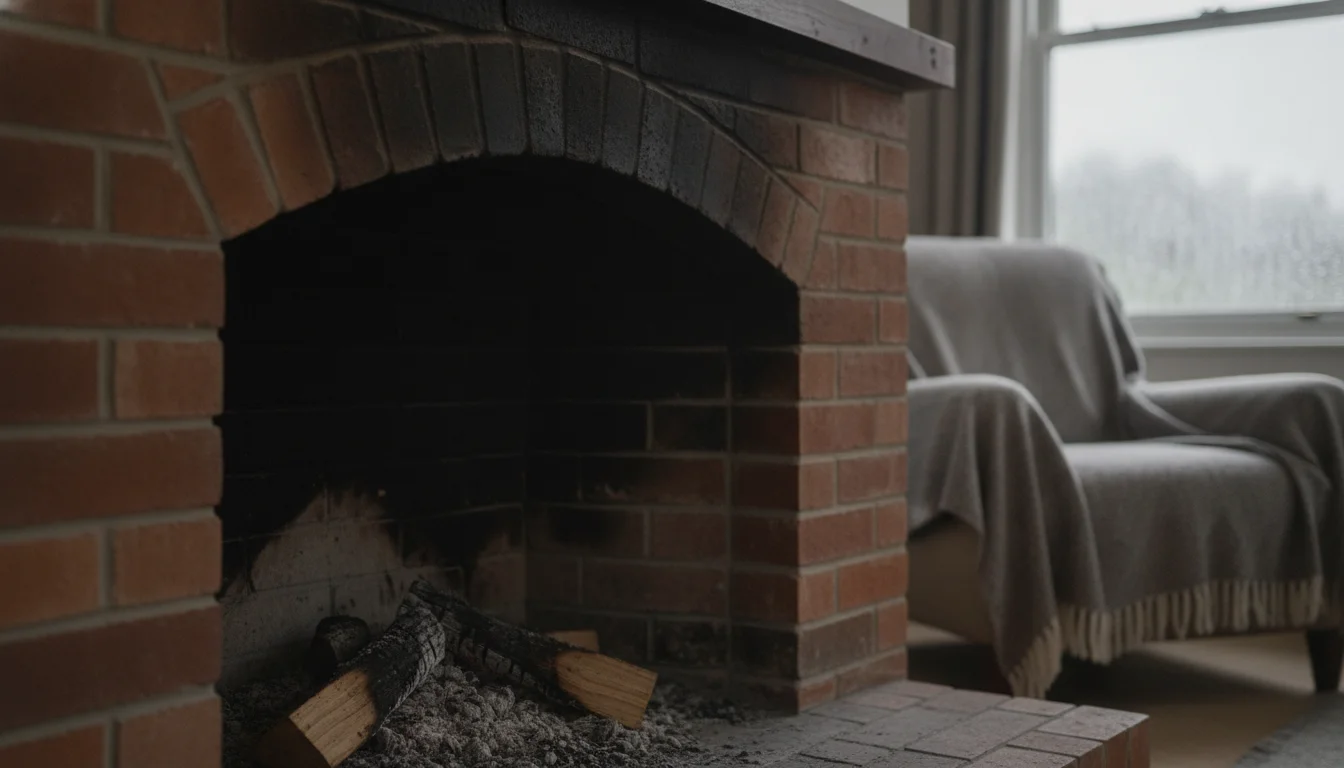
Your house smells like a campfire, and it’s worse the day after the fire than during it. That’s the key to how to get rid of fireplace smell: it isn’t coming off the ashes. It’s coming down the chimney.
Every wood-burning flue smells of smoke, swept or not. Creosote soaks into the masonry and the first fire after a sweep lays down a fresh coat. The smell only gets into your living room when air flows down the chimney instead of up. So if you’ve already had it swept and set out bowls of vinegar and nothing changed, that’s why. You treated the residue. The problem is the airflow.
The order that works: find out which way the air is moving, block the chimney, stop the house pulling, then clean up what’s left.
Why the smell turns up days later
A fire pushes hundreds of cubic feet of air a minute up the flue, so the room smells fine while it burns. Once it dies and the brick cools, that updraft fades. Now anything pulling air out of the house wins, and the replacement air comes in through the biggest hole it can find. That’s usually the chimney.
What does the pulling? Kitchen hoods, bath fans and clothes dryers. An unbalanced heating and cooling system. Wind on one side of the house. And the stack effect: warm air leaks out of the upper floors and drags cold air in low down. It’s worst in tall, leaky houses with the chimney on an outside wall. Cold days make it worse, because cold outdoor air is denser than warm room air and sinks into a cooled flue more readily. Humid days make it worse too: damp creosote smells stronger.
1. Test which way the air is moving
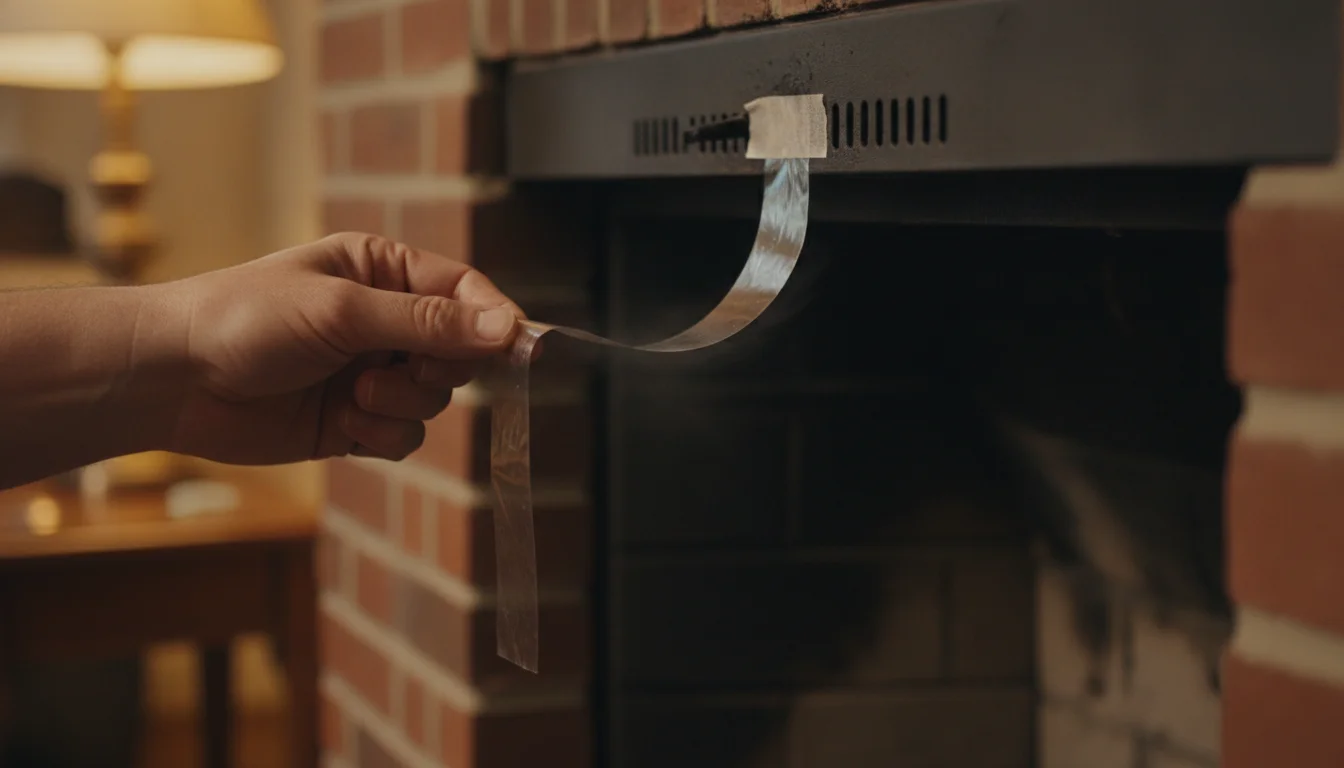
Do this first. Close the damper and tape a strip of cellophane or plastic wrap at the top of the fireplace opening. If it blows into the room, the chimney is feeding your house air.
Then switch on the kitchen hood, the bath fans and the dryer one at a time and watch the strip. Crack a window near the fireplace and watch it again. If the smell eases with the window open, pressure is your problem.
One homeowner on a hearth forum hung cellophane strips from ceilings all over a two-story house and traced the pull to an upstairs gas fireplace that was venting air out. Another described the classic pattern exactly: burn to coals, shut the damper the next day, and the day after that the whole house smells like a campfire. Lighting another fire “works like a charm,” and then it starts again.
2. Plug the flue between fires
The cheapest fix that stops the flow. Most fireplace dampers don’t close tightly (a guide from the Building America Solution Center, run by Pacific Northwest National Laboratory, says they rarely do), so close yours and add a plug.
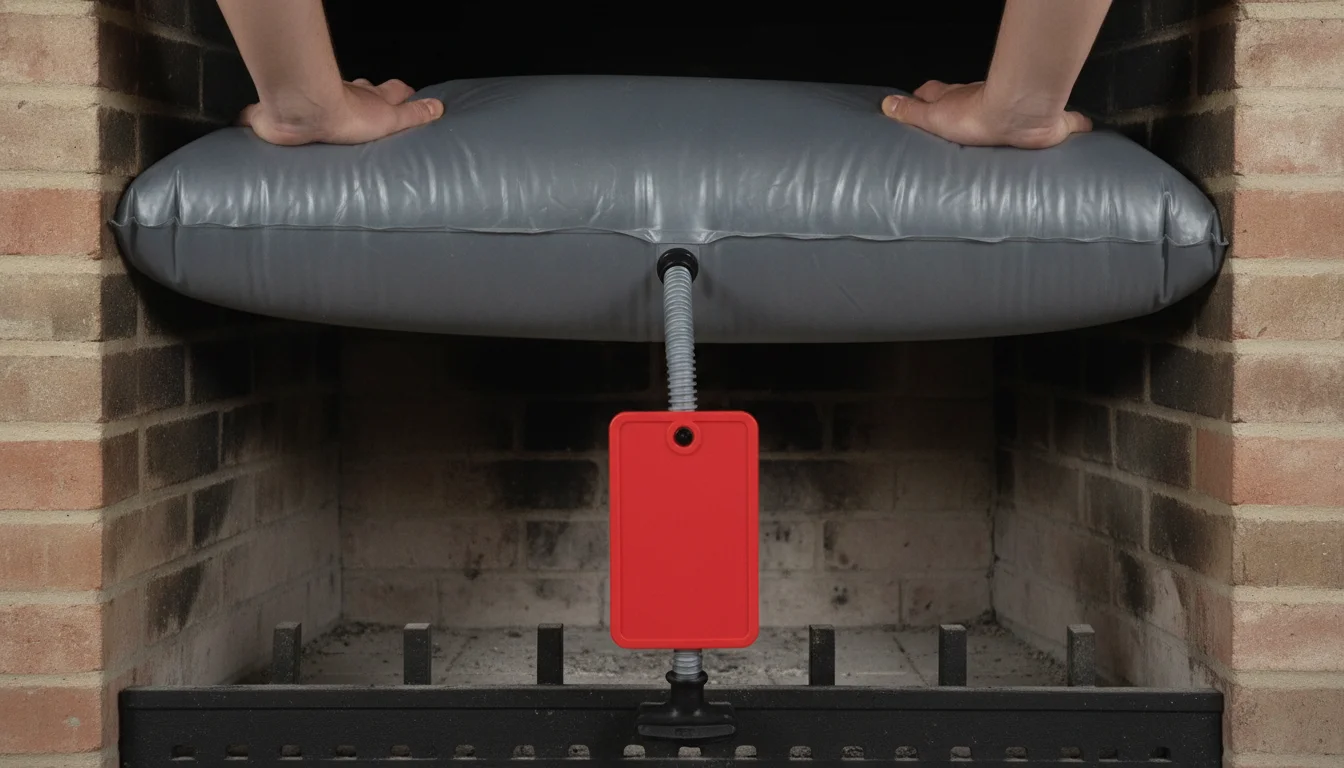
A chimney balloon is a plastic pillow you push about a foot up the chimney and inflate by mouth or with an air-bed pump until it grips the walls. Measure the inside of the chimney, side to side and front to back, where the walls run parallel before you buy one. To take it out, open the valve on the hand grip and it drops. Check it every three months and top up the air.
The free version: stuff old pillows or an old sleeping bag into a 30-gallon garbage bag, put that inside a second bag, tie it off and squeeze it into the flue below the damper so friction holds it. Leave the ties hanging down.
Take it out before every fire. The balloon’s maker says it shrinks within seconds if you forget, and then you’re buying another. Put the red reminder tag (or a note card) in the grate.
3. Fit tight glass doors
Glass doors add a second barrier, so air coming down the chimney has to get past the damper and the doors. A chimney sweep who answers homeowner questions on hearth.com says a closed damper plus a tight glass firescreen will often solve it on its own. If the door frame has air vents, close them only while the fireplace is cold and unused, and only as the door maker’s instructions allow. Before you light a fire, open the damper fully and open any combustion-air vents the instructions call for.
They’re not airtight, though. One forum homeowner had air-sealed doors fitted and said they helped a lot, but on very humid days the smell still came through. A blower door test showed the doors leaked.
4. Add a top-sealing damper
This one sits on top of the chimney and closes the flue there with a tight seal. You work it with a stainless steel cable that runs down the flue. The Chimney Safety Institute of America (CSIA) says a tight-sealing top-mounted damper can reduce the air coming down the chimney, and the smell with it.
Results are mixed. One forum poster said a top damper stopped the smell completely. Another had one fitted that didn’t help at all, and the chimney company took it off after asking its engineers. CSIA ranks it behind make-up air. It’s a pro install, and you open it fully before every fire.
5. Give the house a make-up air supply
CSIA calls this the best solution. Bring outside air into the house somewhere else, and the house stops pulling it down the chimney. A stronger reason than the smell: a house that pulls hard enough to reverse a chimney can pull carbon monoxide back down a furnace or water heater flue too. Make-up air fixes both.
Start with what’s pulling. Furnaces, water heaters and wood stoves that take their combustion air from the room can be given an outside supply, and a chimney professional can fit an outside air vent at the back of the firebox. Radon fans and new central air have both been blamed for starting the smell.
It doesn’t always work first try. One family fitted a fresh air intake on their sweep’s advice and saw no change. Ask whoever installs it how and when it should be open.
6. Seal the leaks upstairs
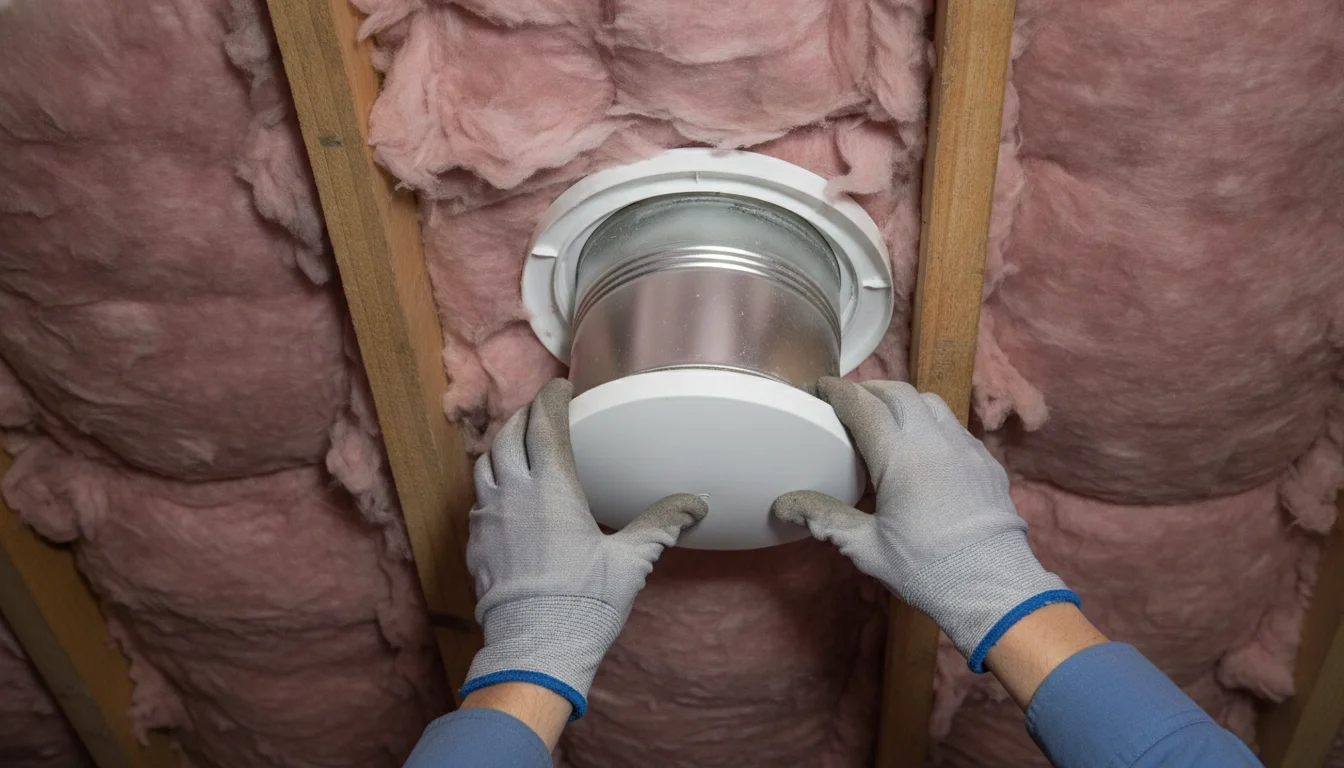
This goes after the stack effect at the source. Warm air escapes through recessed ceiling lights, gaps in the attic floor, the attic hatch, leaky windows, and bath or kitchen fans whose backdraft flap is stuck or missing. Seal around the hatch and fix the fan flaps. Recessed lights need care: only IC-rated fixtures can be sealed directly. A non-IC light needs a fire-rated enclosure that keeps the required clearance around it, so leave those to an electrician or insulation contractor. Don’t close soffit, ridge or other roof vents. The attic needs that ventilation in winter, and the sealing belongs at the attic floor, not the roof.
The homeowner who traced the gas fireplace also covered their recessed can lights, which were big holes into the ceiling. If you can’t find the leaks, an energy auditor’s blower door test will.
7. Shovel out the ashes and wipe down the firebox
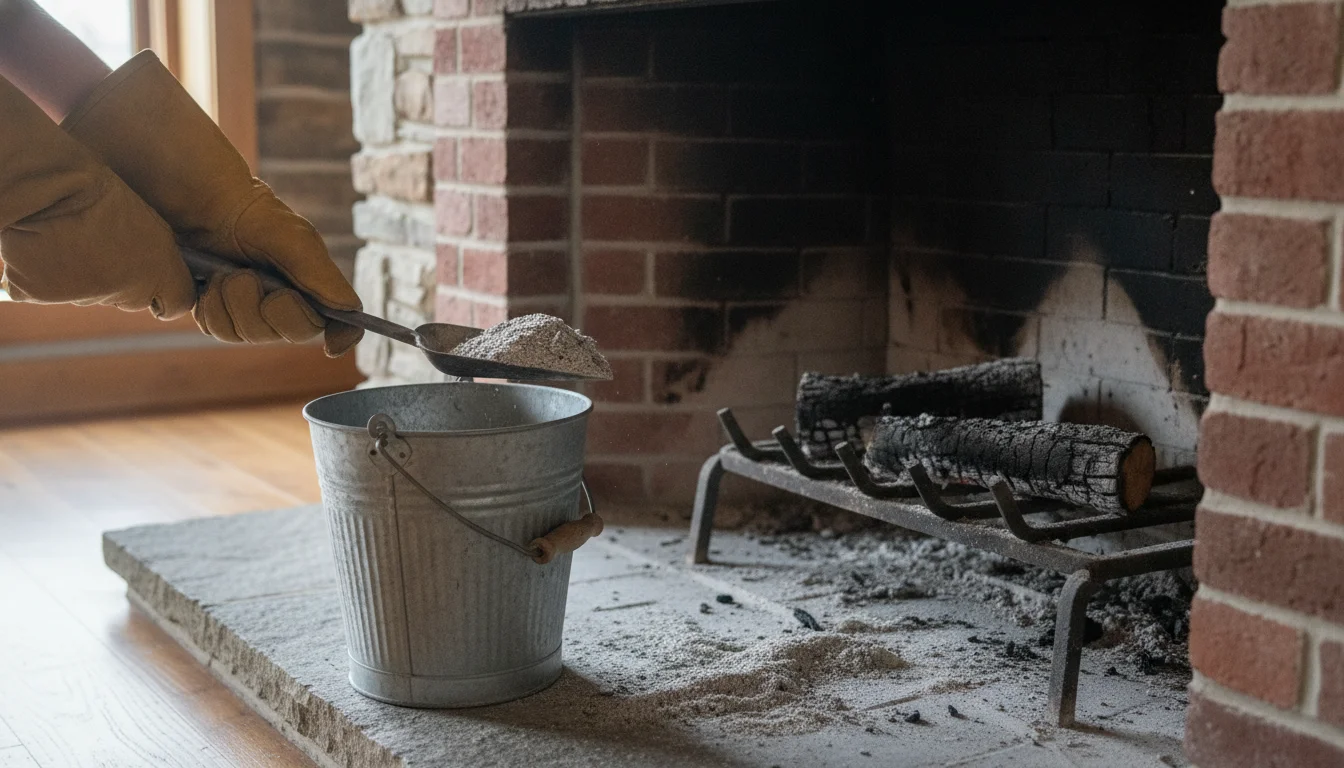
Ashes are a concentrated source of the smell, so don’t leave them in there between fires. Once they’re completely cold, shovel them into a metal container with a tight lid and store it outdoors on a non-combustible surface such as concrete or bare ground. A shop vac gets the rest. Scatter damp coffee grounds over powdery ash first to keep the dust down.
Wipe the glass doors and firebox walls with equal parts white vinegar and water.
Burned manufactured logs or wax fire starters? A fireplace maker notes the wax can pool, even under the hearth, and stink on its own. Burn seasoned wood, newspaper and kindling only.
8. Have the chimney swept and inspected
Do it, but know what it buys you. CSIA says a good sweeping will help but usually won’t solve the problem completely. Forum homeowners had theirs swept, one twice, with no change.
CSIA follows the NFPA 211 standard: chimneys inspected at least once a year and cleaned when needed. Ask for a Level 1 inspection and a full sweep, which covers the flue and smoke chamber, not just the firebox. Masonry chimneys should be swept at 1/8 in (3 mm) of sooty buildup, sooner if there’s glazed creosote, because that’s enough to fuel a chimney fire. A chimney cap keeps rain off the creosote.
9. Set baking soda in the firebox
For what’s left. CSIA says many people get good results with baking soda (or even kitty litter) in the fireplace. Set a shallow pan of it on the firebox floor between fires. Bowls of vinegar, the usual fix for a burnt smell in the house, do the same passive job. Don’t expect miracles: one forum homeowner rated baking soda “meh.”
10. Run a HEPA purifier with a carbon filter
A purifier won’t fix the chimney, but it cleans the room air while you do. The carbon filter does the odor work. Pick a model that doesn’t produce ozone, run it near the fireplace and change filters on schedule. If the smell has soaked into the furniture or your clothes, our guide to getting smoke smell out after a fire covers the deep clean.
When to call a professional
Call a CSIA-certified chimney sweep for the yearly inspection, a top-sealing damper, an outside air kit or a liner. Bring in a heating and cooling contractor if the pull comes from your furnace, ventilation or exhaust fans, or if you suspect appliance flues are backdrafting. Keep working carbon monoxide and smoke alarms while you sort this out.
How to get rid of fireplace smell: FAQ
Why does my house smell like a campfire days after a fire?
The fire’s updraft has stopped and the house is drawing air in through the cold flue, bringing the creosote smell with it.
Why is it worse on cold or humid days?
Cold outdoor air is denser than warm room air, so it sinks into a cooled flue more readily. Humidity doesn’t make air heavier, but damp creosote smells stronger. CSIA notes the smell is often worse in humid summer weather with the air conditioning on.
Will cleaning the chimney get rid of the smell?
It helps, but usually not completely. No sweep removes every trace of creosote.
Why does lighting another fire stop the smell?
A burning fire restores the updraft, so air flows out through the chimney. When it dies, the flow can reverse again.
Is the smell dangerous?
The smell itself is a nuisance. The pressure behind it is the bigger worry, since it can pull exhaust down other appliance flues. Keep CO alarms working and have the chimney inspected yearly.