Table of Contents
Cat urine smells worse than almost anything else your home can throw at you, and it’s built that way on purpose. Cats mark territory with urine concentrated with ammonia, and as it sits, bacteria break it down into the sharp, skunky compounds that punch you from across the room. The real problem is uric acid: it dries into crystals that bond to the surface and recrystallize every humid day, so a smell you thought you cleaned comes right back.
Household cleaners neutralize the odor for a while, but only one step actually breaks the crystals down. Here’s the ladder, from the first blot to the last resort. If the reek has spread into a general pet smell through the house, or it is really drifting off the litter box, tackle that too.
1. Paper Towel The Area
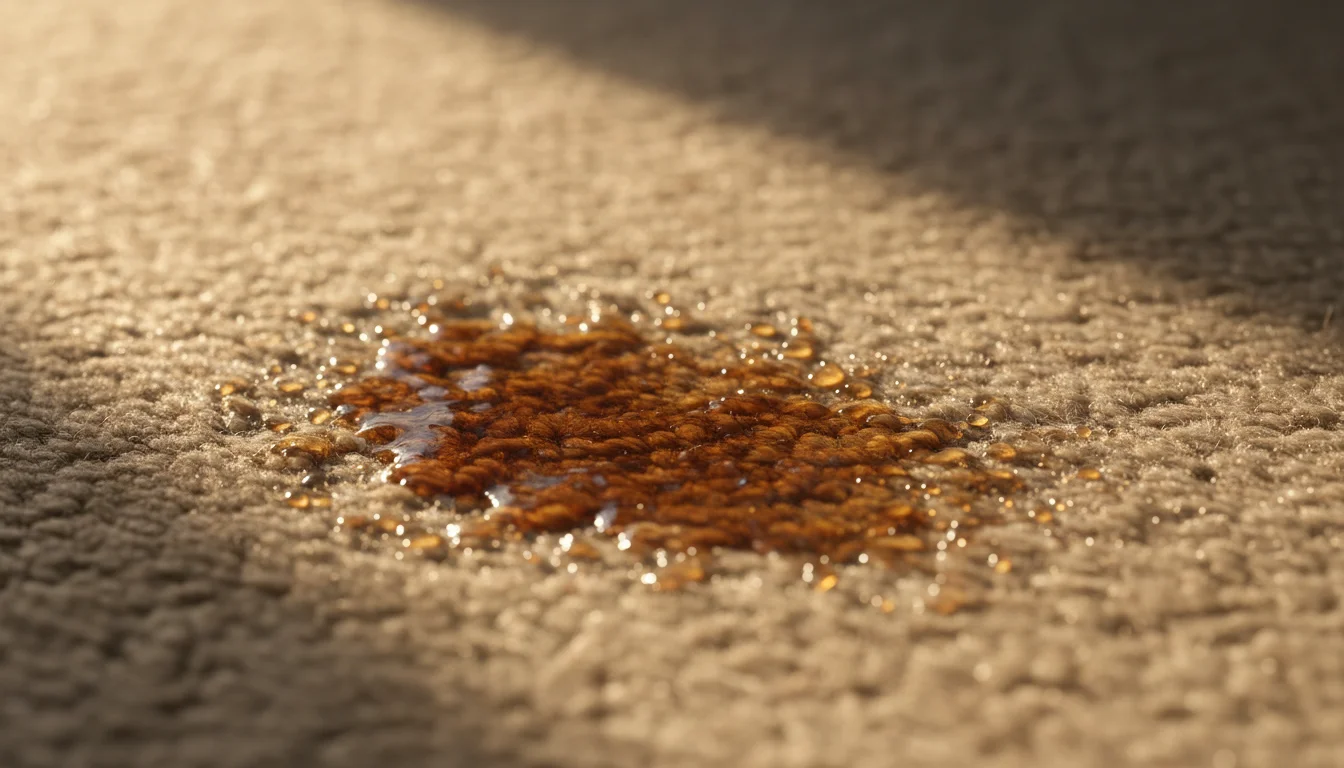
Blot it immediately with paper towels and keep going until they come up mostly dry. You’re racing the clock, because once cat urine soaks in and dries, the smell amplifies and bonds to the surface. On carpet or a cushion, stack towels over the spot and stand on them to pull liquid up out of the padding. Everything below works better on less urine.
2. Hit It With An Enzyme Cleaner
This is the one step that actually removes the smell instead of masking it. Enzyme cleaners contain proteins that digest the uric acid crystals and the bacteria left behind, so the odor has nothing left to come back from. Pet-health sources rate them the most effective option for removing all traces of cat urine, and the same cleaner clears dog odor just as well; vinegar and baking soda cannot.
Two things decide whether it works. Dilute it in cold water only, never warm or hot, because heat kills the enzymes and you’ll be spraying water. And don’t mop the spot with another floor cleaner first, since leftover detergent deactivates the enzymes before they start.
Saturate the stain and the area around it so the cleaner reaches as deep as the urine did, then follow the product label for the dwell time. Some want ten to fifteen minutes and a blot, others say leave it until it air dries on its own. An old stain, already crystallized, usually takes more than one round.
3. Neutralize With Vinegar
No enzyme cleaner on hand? White vinegar is the household stand-in. Mix equal parts white vinegar and water, pour enough to saturate the stain without flooding it, let it sit 5 to 10 minutes, then blot it up.
Vinegar is an acid that neutralizes the alkaline salts in dried cat urine, so it knocks the smell down hard. It does not dissolve the uric acid crystals the way enzymes do, which is why the odor can creep back in humid weather. Treat it as a strong temporary fix, not the final word. And never swap in an ammonia cleaner, because to a cat that smells like more urine and tells it to mark the same spot again.
4. Deep Clean With Baking Soda
For a stain set into carpet or upholstery, a baking soda deep clean pulls out what blotting and vinegar left behind. Scrub the spot with club soda and let it dry, then sprinkle baking soda over the area and leave it a few hours so it can soak up the lingering odor. Vacuum it up. Baking soda is a deodorizer, not a crystal-buster, so treat this as a follow-up to the enzyme cleaner, not a replacement for it.
For clothes and bedding, wash them twice. Run the first cycle with a cup of white vinegar in the drum and no detergent, then run a second, normal wash with your detergent. Air dry, and check for any lingering smell before it goes near a hot dryer, since heat sets the odor in. If the machine itself has picked up the reek, clean the washer too.
5. Seal The Subfloor When Nothing Else Works
Sometimes the urine has soaked past the carpet into the wood subfloor or concrete, and no cleaner can reach it. This is the last resort for a smell that always returns. Pull up the flooring and pad, clean the bare surface as well as you can, and let it dry.
Then seal it. Paint the subfloor with a shellac-based primer, Zinsser B-I-N being the standard, and give it the 45 minutes the label calls for before you recoat. A second coat adds insurance on a bad spot, so follow the label for coats and dry times. Shellac forms a vapor barrier that locks the remaining odor in so it cannot off-gas through your new floor, the same primer remediators use to seal in dead-animal and decay odors. For a concrete garage or basement slab, a two-part epoxy or an oil-based floor paint does the same job. Cover the whole affected area, not just the visible stain, because odor spreads sideways through porous material. Shellac primer is highly flammable with strong fumes, so ventilate well and keep it clear of any flame.
Cat Urine Smell FAQ
Does vinegar or baking soda actually get rid of cat urine smell?
They knock it down but don’t end it. Vinegar neutralizes the alkaline salts and baking soda absorbs odor, yet neither breaks down the uric acid crystals, which recrystallize in humidity and bring the smell back. Only an enzyme cleaner digests the crystals for good.
Why does the cat pee smell keep coming back after I clean it?
Because the uric acid crystals are still there, reactivating with moisture in the air. Clean the spot with an enzyme cleaner, and if it soaked into the subfloor, seal that surface.
Can I use bleach on cat urine?
No. Cat urine contains ammonia, and mixing bleach with ammonia produces toxic chloramine gas. Skip bleach and any ammonia-based cleaner entirely.
How do I find where the smell is coming from?
Shine a UV black light in a dark room. Dried urine fluoresces, showing spots on carpet, walls and baseboards you would otherwise miss. Mark each one before you clean.