HowToGetRid Staff
-
How to Get Rid of Carpet Adhesive from Floor: 7 Safe Ways
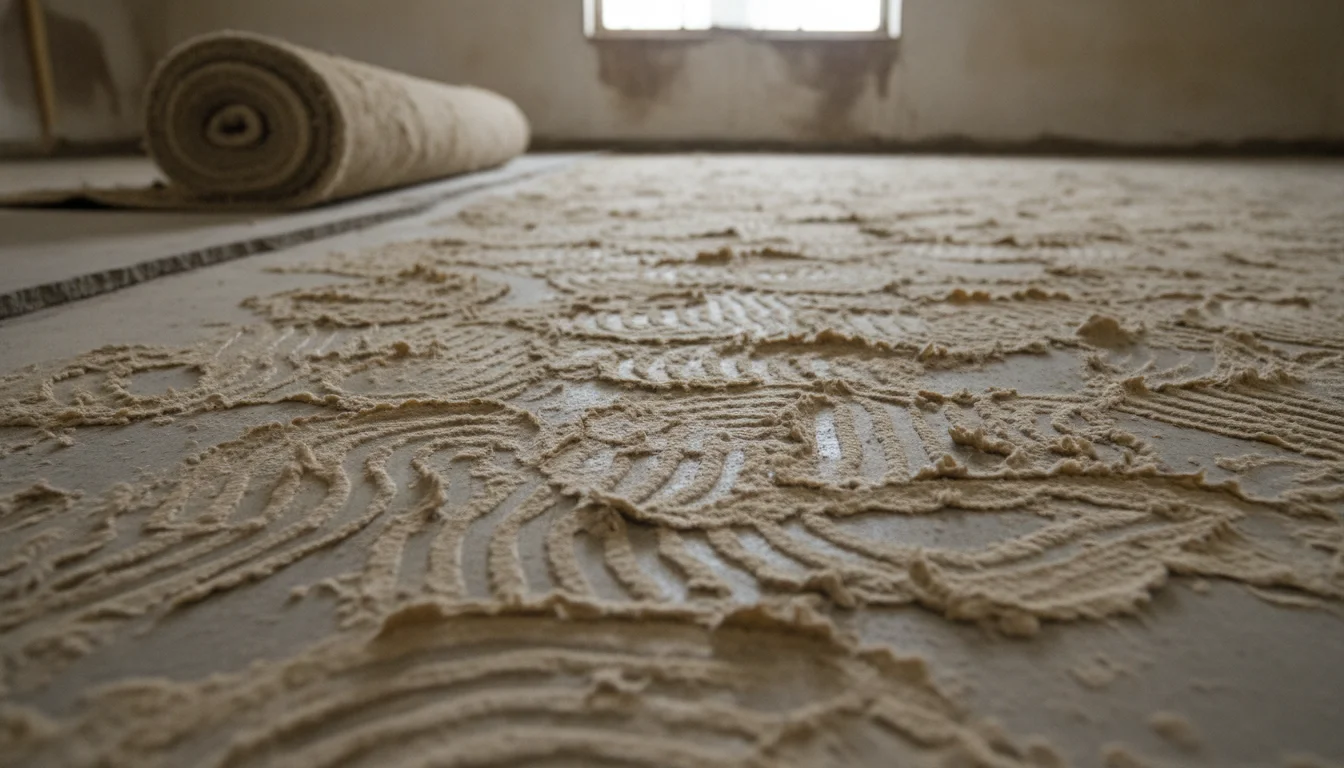
Read More: How to Get Rid of Carpet Adhesive from Floor: 7 Safe WaysPull up old carpet and you’ll usually find one of two things underneath. Yellowish or tan glue that goes soft when you wet it, which is a messy afternoon with a bucket and a scraper. Or a thick black layer stuck fast to the concrete, which is the one to leave alone until it’s been…
-

How to Get Rid of Ants in Garden: 12 ways to defend your garden beds
A few ants in the garden aren’t a crisis. They aerate soil, break down organic matter, and generally earn their keep. But when colonies start farming aphids on your vegetables, building mounds in your raised beds, or establishing outposts along your foundation, it’s time to intervene. Garden ant control is different from indoor pest control…
-
How to Get Rid of Ants in Kitchen: 12 ways to take back your kitchen
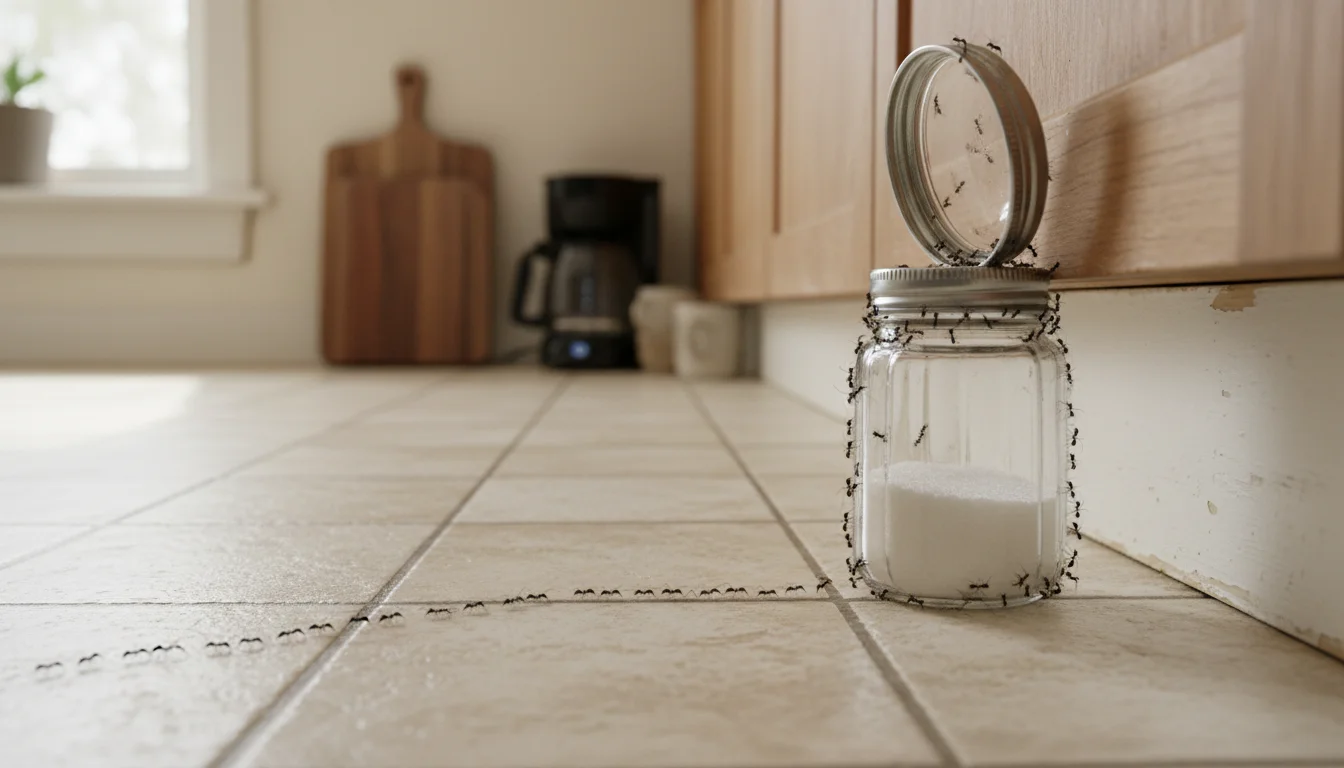
You spot one ant on the kitchen counter. Then two. Then a line of them marching from behind the baseboard toward the sugar bowl like they’ve got blueprints. The kitchen is ground zero for ant problems because it has everything they need: food, water, and entry points they can exploit. Getting rid of them takes…
-
How to Get Rid of Smoke Smell from Clothes: 8 ways that work
Yes, smoke comes out of clothes. One wash with the right settings is often enough, and a stubborn smell may need a second. The mistake to avoid is the dryer: heat can set a smoke smell that’s still in the fabric and make it harder to get out. Airing alone is slow, too. Hanging smoky…
-
How to Get Rid of Jumping Spiders in Home: 11 ways to evict jumping spiders
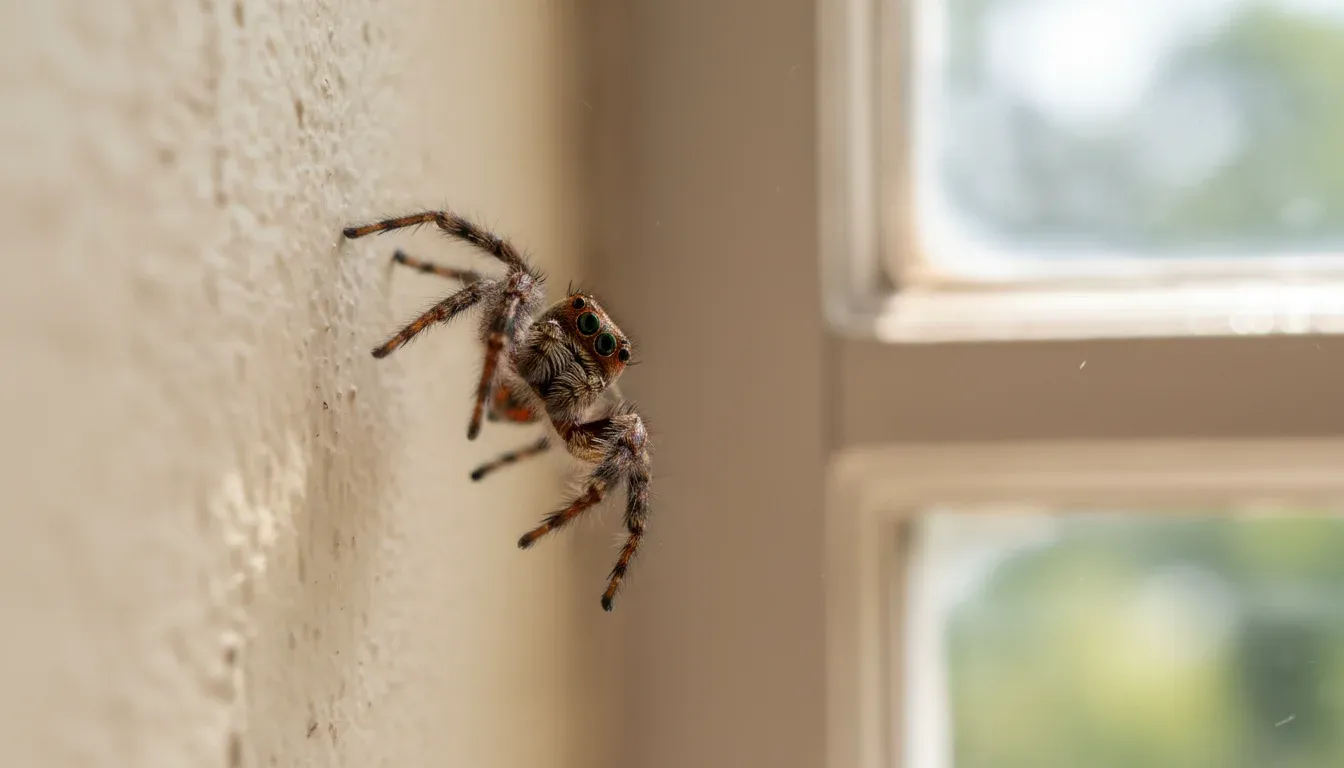
Jumping spiders are the tiny acrobats of the spider world. With their oversized front eyes, fuzzy bodies, and incredible leaping ability, they’re hard to miss – and surprisingly hard to dislike. Unlike most spiders that sit in webs waiting for prey, jumping spiders are active hunters that stalk and pounce on their meals. They can…
-
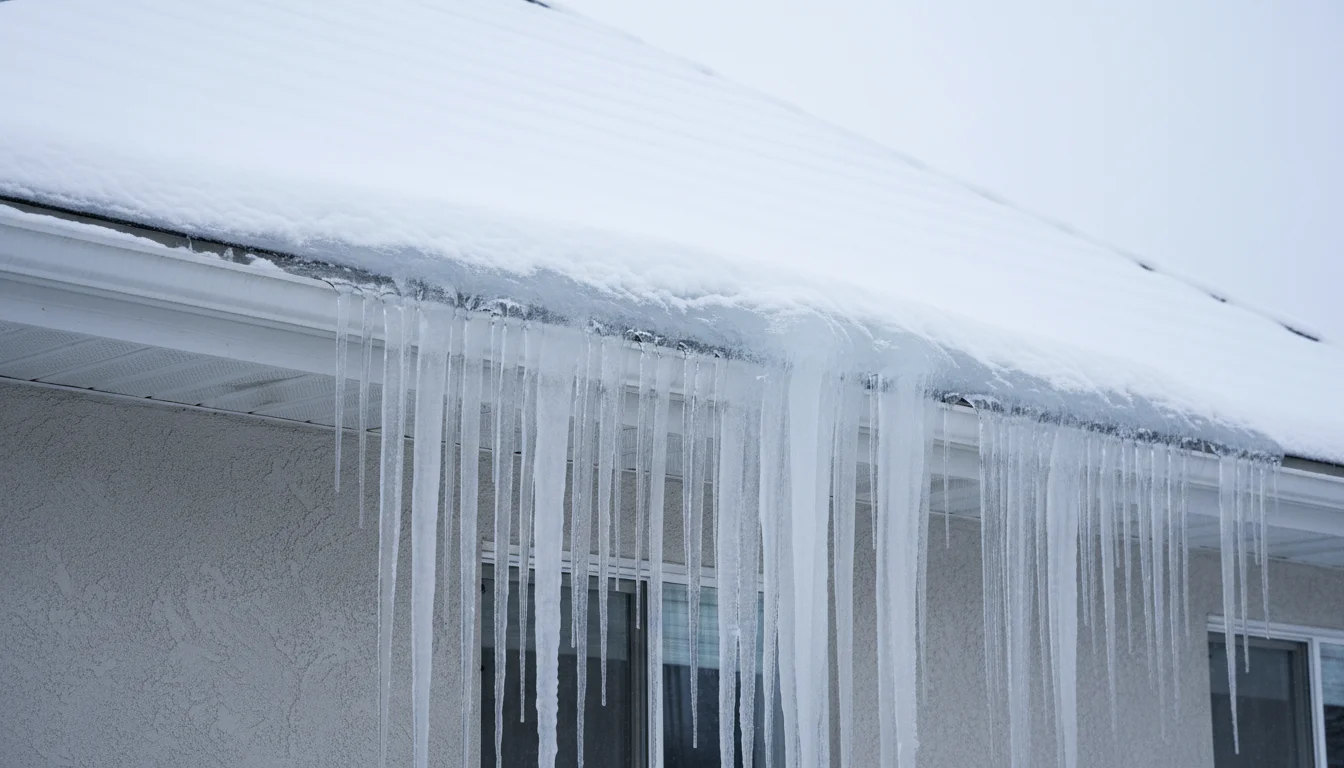
How to Get Rid of Ice Dams from Roof: 8 ways to melt roof ice dams
Ice dams are the winter headache you don’t notice until it’s too late. They form when heat escaping from your attic melts snow on the roof, which then refreezes at the colder eaves. The result: a ridge of ice that traps water behind it, forcing that water under your shingles and into your home. The…
-
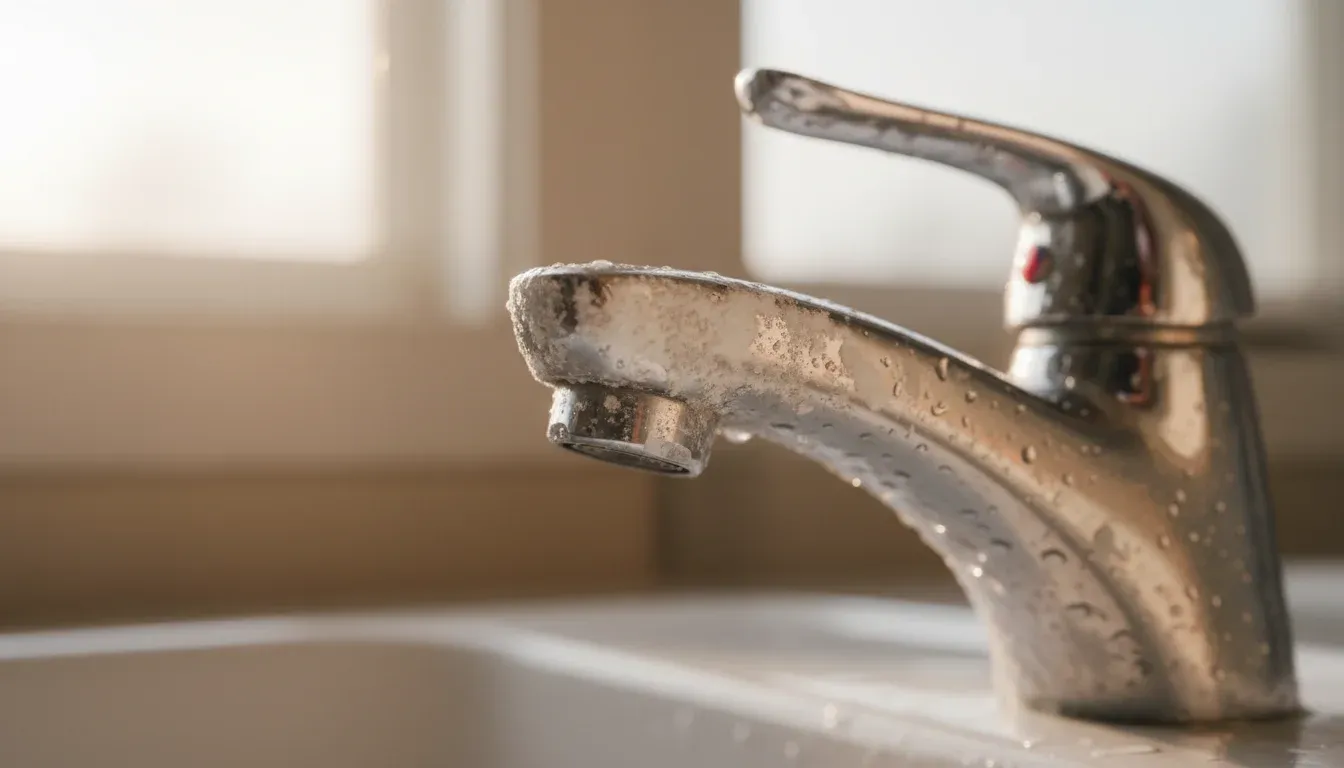
How to Get Rid of Hard Water Issues: 8 fixes to beat mineral scale buildup
Chalky faucets, spotty glassware and a showerhead that dribbles are the visible face of hard water issues, all tracing to one cause: dissolved calcium and magnesium left behind when hard water dries. The deposit is limescale, and it does more than look grubby. Left alone it narrows pipes, coats heating elements and shortens the life…
-
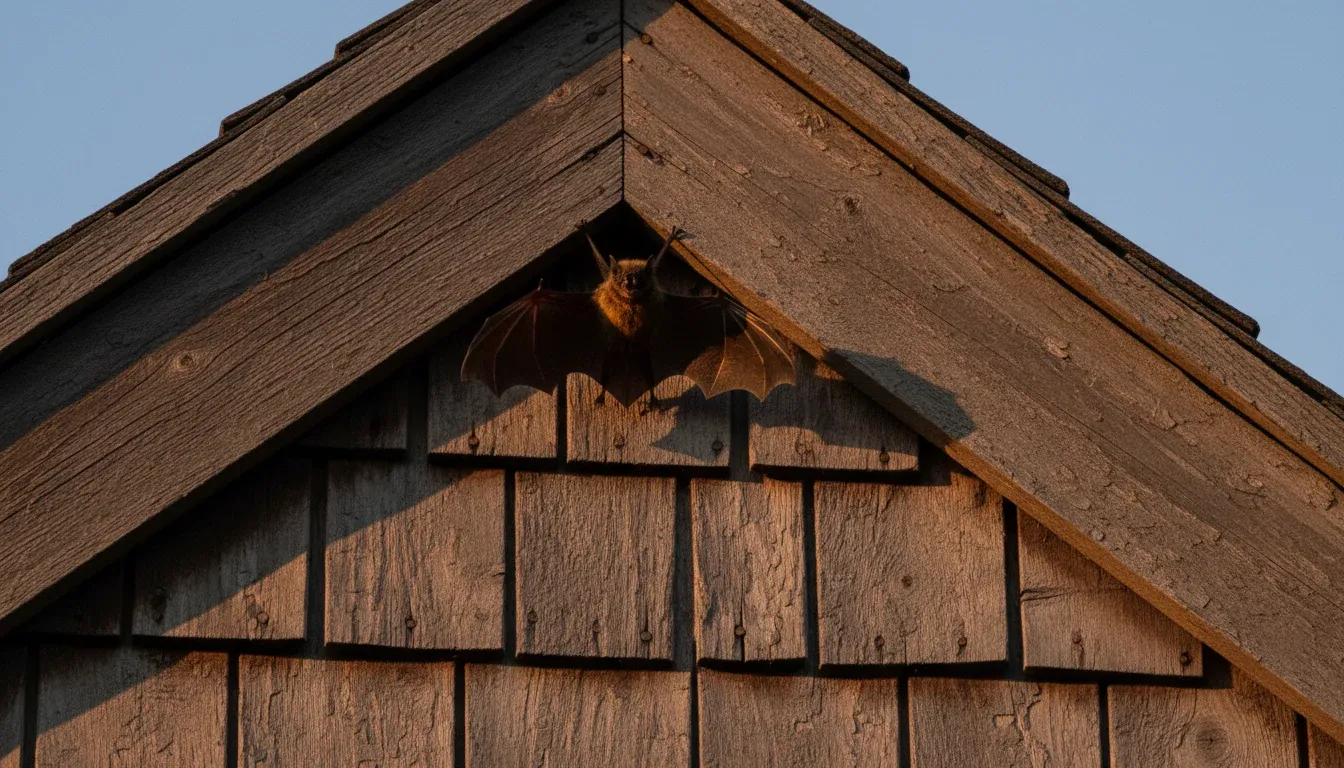
How to Get Rid of Bats: 13 ways to evict them for good
Bats in your attic aren’t just a nuisance – they’re a legally protected wildlife issue with a narrow window for legal removal. In most US states, evicting bats during maternity season (roughly May through mid-August) is illegal. Exclude the adults while pups can’t yet fly, and you’ve trapped them inside to die. That’s both illegal…
-
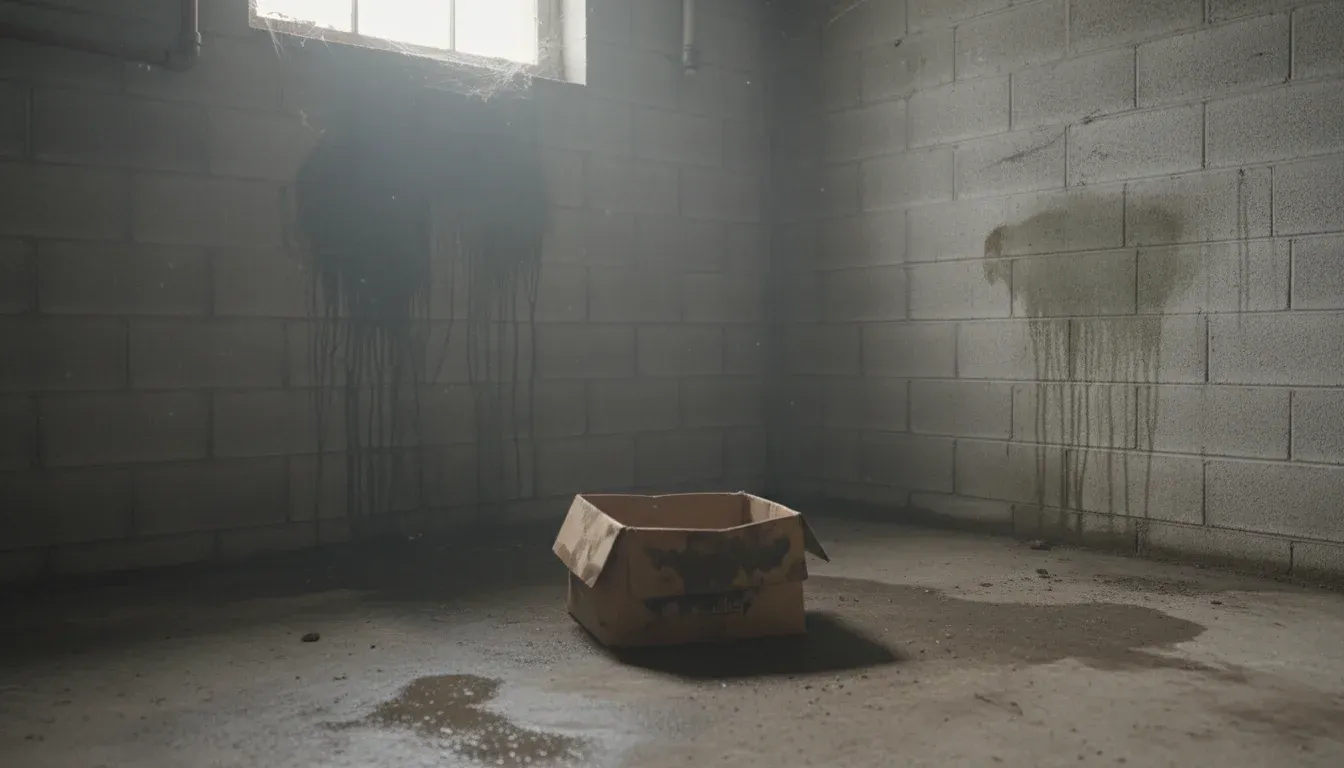
How to Get Rid of Musty Smell from Basement: 11 fixes for a fresher basement
That musty smell from basement air means moisture, biology, or both. The odor is microbial – mold and mildew releasing volatile compounds – and no amount of air freshener kills it. You have to fix what’s feeding it. In most basements that’s a combination of slow moisture intrusion, inadequate airflow, and years of organic material…
-
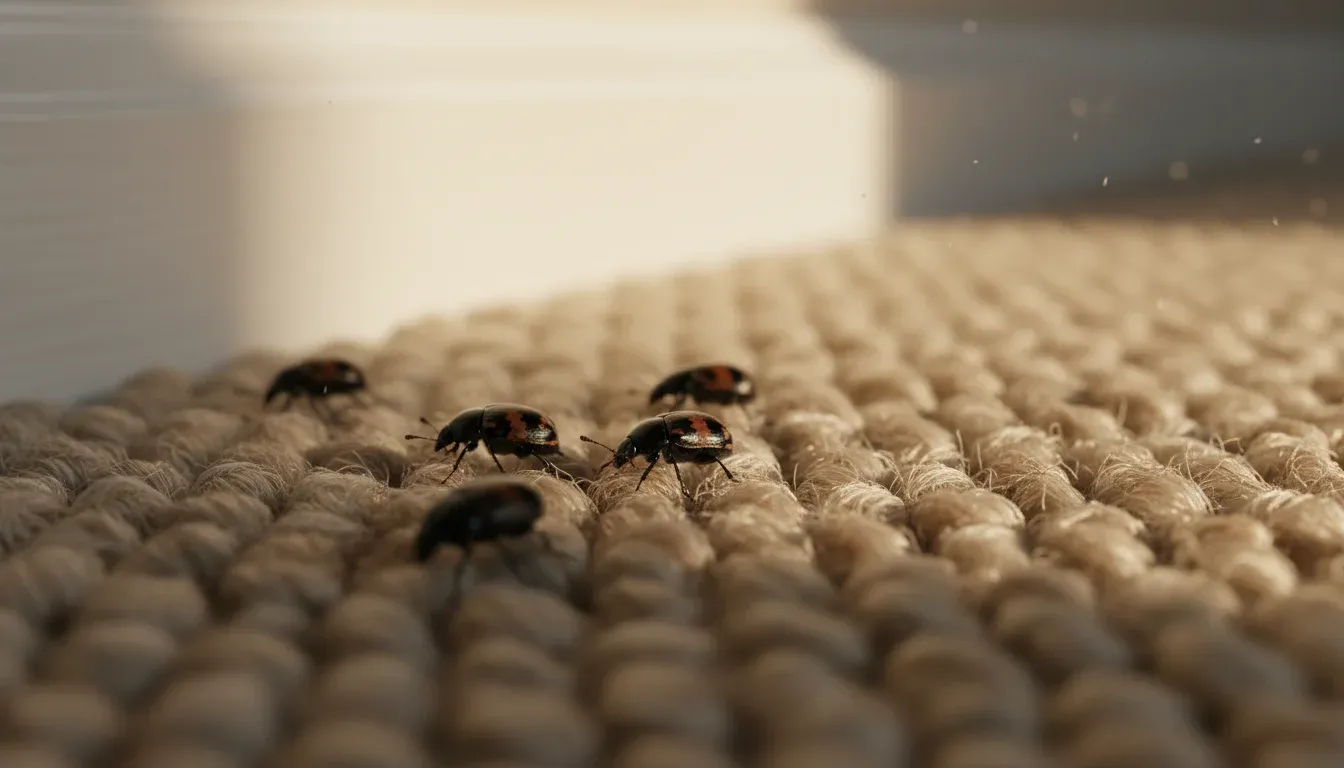
How to Get Rid of Carpet Beetles: 10 proven methods
Carpet beetles are deceptive. The adults fly in through open windows, hitch a ride on cut flowers, or migrate from a bird nest under the eaves. They lay eggs and leave. It’s the larvae that do the actual destruction, eating through wool, silk, fur, feathers, and anything else with keratin. They’re small enough (about the…