Table of Contents
You can tackle open pores with home treatments that need no dermatologist appointment and no prescription. None of these methods permanently closes a pore – the honest goal is to make open pores look smaller. Knowing what each one does helps you set realistic expectations.
If you only add one thing, make it a niacinamide serum: it works on oil, the one big cause you can influence, and it is gentle enough for daily use. The rest are tools you reach for on top of that – some for a quick look before an event, some for slow, real change over months.
The everyday basics, a gentle cleanser and a light non-comedogenic moisturizer, matter too, but those belong to a daily skincare routine; this page covers the targeted treatments you add on top.
What causes open pores?
Pores look larger for reasons that are mostly outside your control, which is why no home treatment closes them for good. Three things drive how big they look:
- Oil. The more sebum a pore produces, the wider it tends to appear, so oily skin and prominent pores usually go together.
- Genes and age. Pore size is largely inherited, and the skin loses collagen and elastin as it ages. Those fibres hold the pore walls taut, so as they thin the walls slacken and pores look bigger. The shift builds from your late twenties onward.
- Sun. Ultraviolet light breaks down that same collagen and elastin, which is why sun-exposed skin tends to show wider pores.
Home treatments work on the first cause – oil – and on the look of the skin around the pore. They don’t reach the genetic and structural causes, so aim for “less noticeable”, not “gone”.
1. Clay Mask
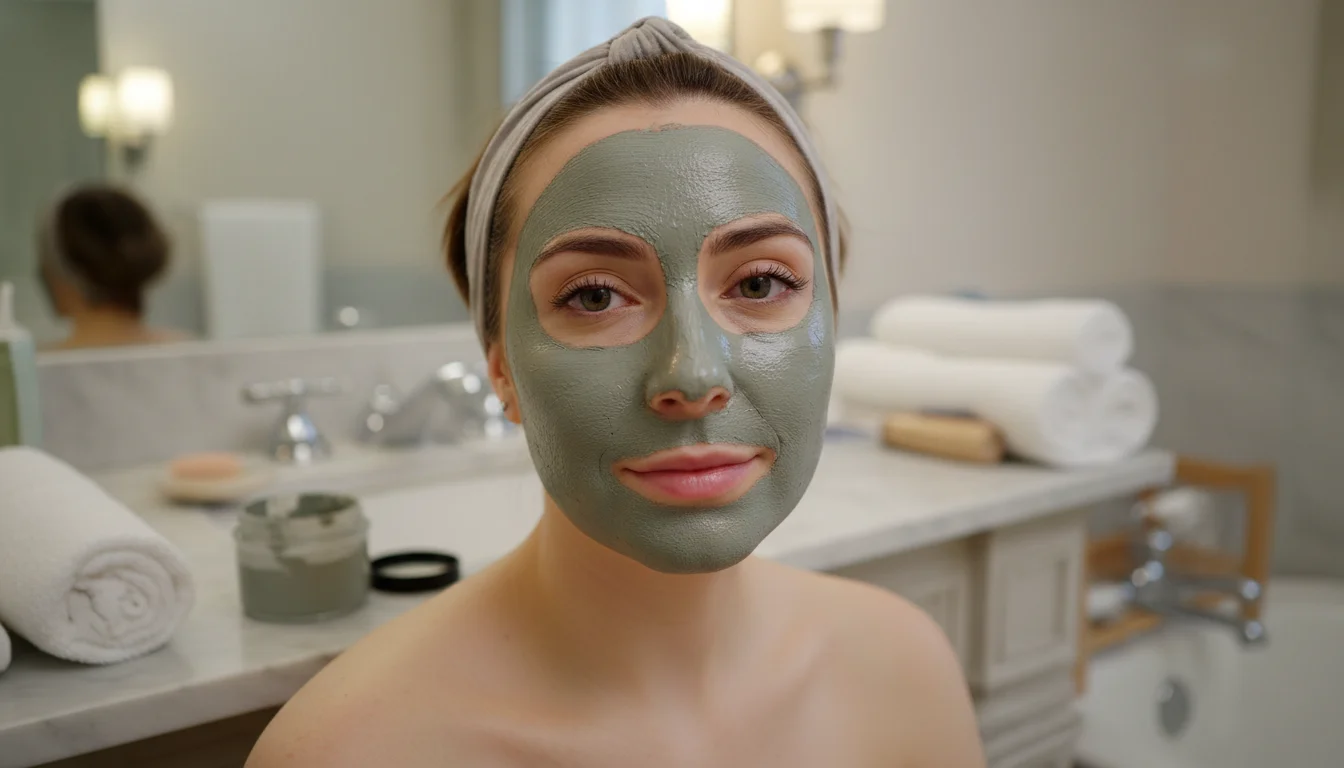
Kaolin and bentonite clay absorb oil, and Fuller’s earth (multani mitti) is a traditional clay that works the same way. A four-week clinical study measured a drop in skin oil after regular use of a clay mask, though the same study found no significant change in the size of pores themselves. So treat a clay mask as oil control that makes pores less noticeable, not as something that shrinks them.
Apply a thin layer to clean skin, avoiding the eye area, and leave it on for the time the product label gives – clay masks vary, so follow the directions on yours rather than guessing. Rinse with warm water and follow with a moisturizer while the skin still feels tight. Use it only as often as the label recommends; more is not better.
2. Ice Cube Treatment
Cold makes the small blood vessels in the skin contract, which temporarily tightens the surface and the skin around your pores. The effect is real but short-lived, so this is a quick visual fix rather than a treatment.
Wrap an ice cube in a thin cloth and glide it over your face in slow circles, focusing on the areas where pores bother you most. Never hold ice directly against bare skin – prolonged direct cold can damage skin. Do it after cleansing, before you apply other products.
Use this before an event when you want pores to look smaller for a short while, not as daily maintenance. It does nothing to the underlying cause, so treat it as a short-term tool.
3. Witch Hazel Toner
Witch hazel is an astringent made from the Hamamelis virginiana plant and traditionally used on skin. As an astringent it can make skin feel temporarily tighter, and laboratory studies have found mild anti-inflammatory activity in witch hazel extract.
If you use it, choose an alcohol-free formula. Many witch hazel products contain alcohol, which can dry and irritate the skin; the alcohol-free versions are gentler.
Apply with a cotton pad after cleansing and before other products, following the directions on the label. Stop if your skin becomes dry or irritated.
4. At-Home Chemical Peel
A mild at-home chemical exfoliant removes dead cells from the surface of the skin. Two types of over-the-counter acid work in different ways:
Alpha hydroxy acids (AHAs) such as glycolic and lactic acid are water-soluble and work on the skin’s surface, where they help with texture and tone. If you use an OTC AHA product, use it exactly as the label directs rather than to any schedule you have read online.
Beta hydroxy acids (BHAs) – salicylic acid – are oil-soluble, so they can get into the pore itself, which is why they suit oily skin and clogged pores. Over-the-counter acne products contain salicylic acid at up to 2%. Again, follow the directions on the product you buy.
Stick to these low-strength over-the-counter products at home. The strong, deep peels that promise faster results belong in a professional’s hands, not on your bathroom shelf.
Overusing acids can irritate the skin, so do not stack them or use them more often than the label allows. Acids also make skin more sensitive to the sun: while you are using them, and for about a week afterward, wear sunscreen, cover up, and limit your time in the sun.
5. Niacinamide Serum
This is the one to start with. Niacinamide (a form of vitamin B3) works on oil, the cause of visible pores you have the most control over. A small study found that a 2% niacinamide lotion reduced facial sebum, and treatment reviews for enlarged pores list it among the topical ingredients that make pores look less noticeable over time. Less oil sitting in a pore means a pore that looks smaller.
Choose an over-the-counter niacinamide serum and use it as the label directs, usually on clean skin before your moisturizer. It is mild and works as one added step, so you do not need to rebuild your routine around it. The change is gradual, over weeks rather than days, so treat it as maintenance, not a quick fix.
6. Retinol Serum
Retinol, a vitamin A derivative, speeds up skin-cell turnover and supports the collagen that keeps pore walls taut, so over time it can make pores look smaller. Treatment reviews for enlarged pores list topical retinoids among the options that improve their appearance. This is the slowest method here: the timeline is months, not weeks.
Use an over-the-counter retinol serum exactly as the label directs. Start at the lowest strength and the least often the label allows, because retinol can cause dryness and peeling while your skin adjusts. Retinol raises your skin’s sensitivity to the sun, so wear sunscreen the next day without fail.
Do not use retinol on the same night as the acids above; alternate them, or you will just irritate your skin.
7. Pore-Minimizing Primer
This one is camouflage, not treatment, and it helps to know the difference. A silicone-based primer (dimethicone or a similar ingredient high on the list) fills the dips of your pores and leaves a smooth surface, so pores look less visible through the day. The pores are not smaller; they are hidden.
Smooth a thin layer over clean, moisturized skin, concentrating on the nose, forehead and chin, then apply makeup on top. Keep it thin – too much makes a slippery base that makeup slides off. Reach for this on the days appearance matters most, while the niacinamide and retinol do the slower work underneath.
Prevent pores from widening: daily sun protection
Of the causes above, sun damage is the one a daily habit can hold back. Because ultraviolet light breaks down the collagen and elastin that keep pore walls tight, unprotected sun exposure widens pores over the years. A broad-spectrum sunscreen of SPF 30 or higher, worn every day and reapplied as the label directs, is the one home measure that works on a real cause rather than only on appearance. It won’t shrink a pore you already have, but it slows the collagen loss that makes pores look larger year on year. Folding it into a daily skincare routine is what turns it from an occasional effort into the habit that counts.
When to see a professional about open pores
The treatments above are what you can do at home. Sometimes what looks like an open-pore problem is something the shelf can’t reach. See a dermatologist if:
- Pores have stretched alongside deep, cystic breakouts rather than simple surface oil.
- Enlarged pores come with scarring or pitted texture that home care has not improved.
- An acid leaves your skin red, burning, or peeling: stop using it, and see a professional if the reaction does not settle or the stinging is prolonged.
A dermatologist can confirm what you’re dealing with and, if you want to go further than an over-the-counter routine allows, talk you through the in-clinic options. These reach a depth home products cannot. In microneedling, a professional uses a device with fine needles to prompt the skin to firm the tissue around pores. Laser and radiofrequency treatments work on the same deeper collagen, though the device and how it acts on the skin vary from one procedure to the next. How many sessions you need varies by procedure and by your skin, and each carries a real cost and some recovery time. A professional judges whether either suits you. That is a conversation to have in person, not something to decide from a page like this.