Table of Contents
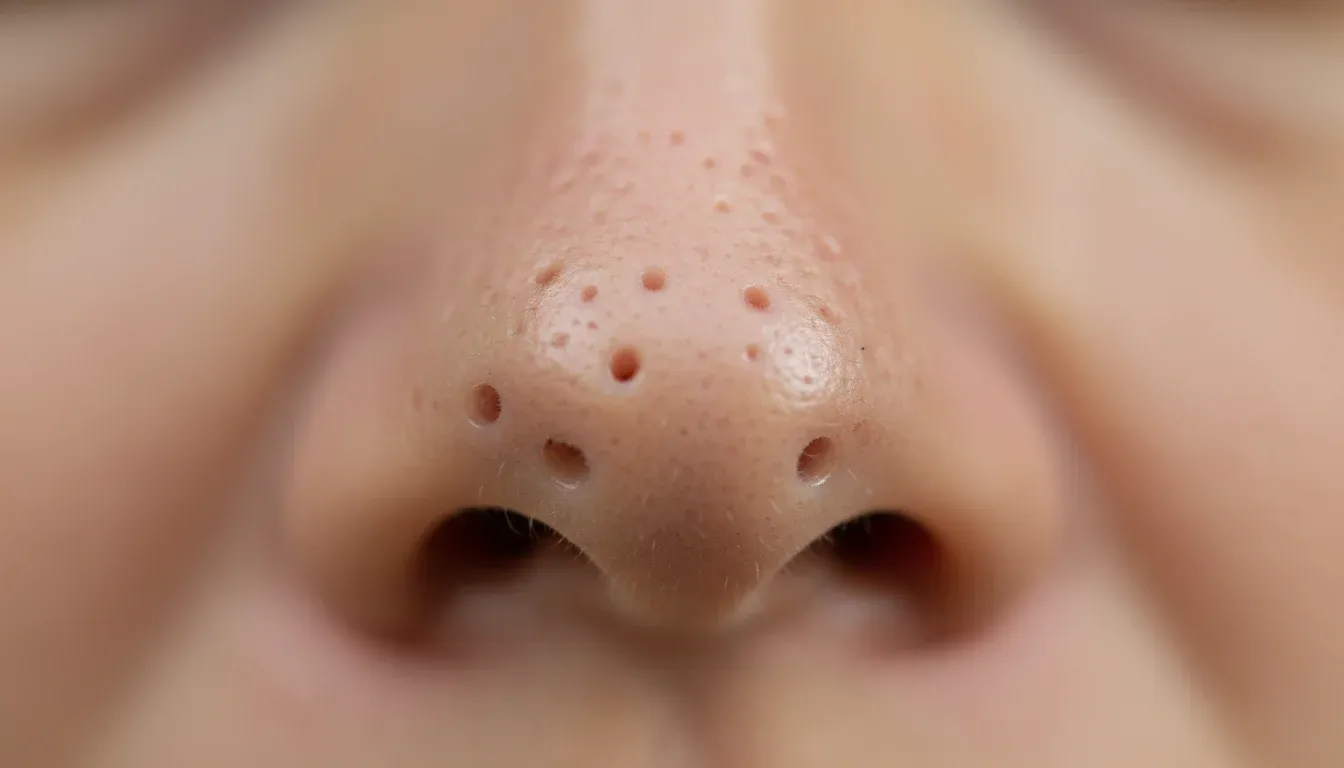
There is no such thing as open pores in the way the phrase suggests. Pores don’t open and close. They’re not doors. They’re just follicle openings that look bigger when they’re clogged with sebum, debris, or dead skin, and they look bigger on oily or sun-damaged skin because the surrounding tissue has lost some of its elasticity. You can’t surgically shrink them from home. But you can keep them consistently clear, you can improve the skin texture around them, and with the right approach, they become nearly invisible. That’s the realistic goal.
Genetics sets your baseline pore size and you can’t change that. What you can change is how they look day to day, and that comes down to your skincare habits, the products you use, and a few at-home treatments that genuinely move the needle over time.
Daily skincare routine
This is the foundation and it’s not complicated. Gentle face washing twice a day keeps pores from congesting in the first place. The word "gentle" matters: harsh scrubs and stripping cleansers irritate the skin and make pores look more noticeable, not less. Use a mild, low-pH cleanser and resist the urge to scrub.
Oil-free and non-comedogenic products are non-negotiable if you’re prone to congestion. Any moisturizer, sunscreen, or makeup that clogs pores undoes everything else you’re doing. Check labels.
Broad-spectrum SPF daily is probably the most overlooked thing in pore management. UV damage breaks down collagen, which causes the skin around pores to lose firmness – making them look larger. Consistent sun protection keeps that degradation from happening. Use at least SPF 30, every day.
Witch hazel is a traditional astringent toner some people use after cleansing. The evidence that it tightens pores is thin, so treat it as an optional folk step rather than a fix. Skip it if your skin runs dry – it can be slightly drying.
At-home treatments
Clay masks are a popular at-home step for oily, congested skin: kaolin and bentonite clay absorb surface oil. They won’t change the size of a pore, but soaking up the oil that fills it can make it look less obvious. Use once or twice a week – more than that leaves skin tight and dry.
A cold compress is an old pre-event trick. The cold constricts the skin so pores look a little smaller for a short while, but the effect is brief and fades as the skin warms. Wrap the ice in a cloth rather than holding it straight against your face, and keep it moving. It’s a temporary trick, not a long-term fix.
Niacinamide is a common leave-on serum ingredient for oily, congested skin. Use a niacinamide serum as the product label directs and give it time; it layers easily with the rest of your routine.
Retinol is the slower, stronger version of the same idea. The American Academy of Dermatology notes that retinol can make pores less noticeable, and that it can also irritate skin. Choose an over-the-counter retinol product and follow the directions on the label, which usually mean starting slowly and building up as your skin tolerates it. Expect some initial dryness.
At-home chemical exfoliants are the other lever. Salicylic acid, a beta hydroxy acid, is oil-soluble and can unclog pores, which suits oily, congested skin; alpha hydroxy acids like glycolic and lactic acid work on the surface for texture and tone. Use a leave-on toner or serum exactly as its label directs and build up only as your skin tolerates it. The FDA warns that alpha hydroxy acids can raise sun sensitivity, so daily SPF the next morning is not optional.
Cosmetic workarounds
Pore-minimizing primer fills the appearance of pores before makeup, giving skin a smoother texture for photos or events. It’s not a treatment – it washes off – but it works exactly as advertised and there’s no reason not to use it.
Why pores look bigger
A pore looks large for one of three reasons, and knowing which one you’re dealing with tells you what will actually help. The first is oil: when sebum collects in a follicle and mixes with dead skin, it stretches the opening and catches the light, so the pore reads as bigger than it is. The second is loss of firmness. Collagen and elastin keep the skin around each follicle taut, and sun exposure and age break both down; the surrounding tissue slackens and the opening looks wider even though it hasn’t changed. The third is simply genetics – some people have naturally larger follicles and oilier skin, and no routine rewrites that.
This is why the honest goal is appearance, not size. You can’t shrink a follicle, but you can empty it, calm the oil that fills it, and firm the skin around it. Every method on this page pulls on one of those three levers.
How to keep pores clear
Keeping pores clear is mostly about not undoing your own work. Wash gently twice a day and after you sweat, but skip the harsh scrubs – scrubbing irritates the skin and makes pores more noticeable. Don’t sleep in makeup, and choose oil-free, non-comedogenic products across the board so nothing you put on refills the follicle you just cleared.
Sunscreen is the prevention step people skip and later regret. Daily broad-spectrum SPF is what protects the collagen that keeps skin firm, and firm skin is what keeps pores looking small over the years. Pair that with steady, unhurried use of your actives – niacinamide, retinol, the occasional acid – and the gains hold instead of sliding back.
When to call a professional
What looks like an enlarged pore is not always a pore, and a few signs are worth a professional eye rather than another product. See a dermatologist if the openings across your nose and cheeks stay studded with blackheads and inflamed bumps that keep returning after weeks of gentle washing and non-comedogenic products. The same goes if a single spot you took for a pore keeps widening, bleeds, crusts, or changes colour, or if a raised, waxy or pearly bump sits where a pore should be – a growth needs a trained eye, not a clay mask.
If acids or retinol leave your skin red, stinging, or peeling, stop the actives and let the skin settle before you go back to them; if it does not settle, get advice. And if months of consistent care have changed nothing and the appearance genuinely bothers you, a dermatologist can walk you through the in-clinic options and whether any of them suit your skin. That is a conversation to have in person, not a step to add at home.
Where it shows up
How to get rid of open pores with daily skincare – Building the right daily habit: washing, moisturizing, SPF, and the leave-on actives like niacinamide and retinol.
How to get rid of open pores with home treatments – Clay masks, ice, witch hazel, and at-home acid exfoliants. The stuff you can do yourself without a prescription or a clinic.