Table of Contents
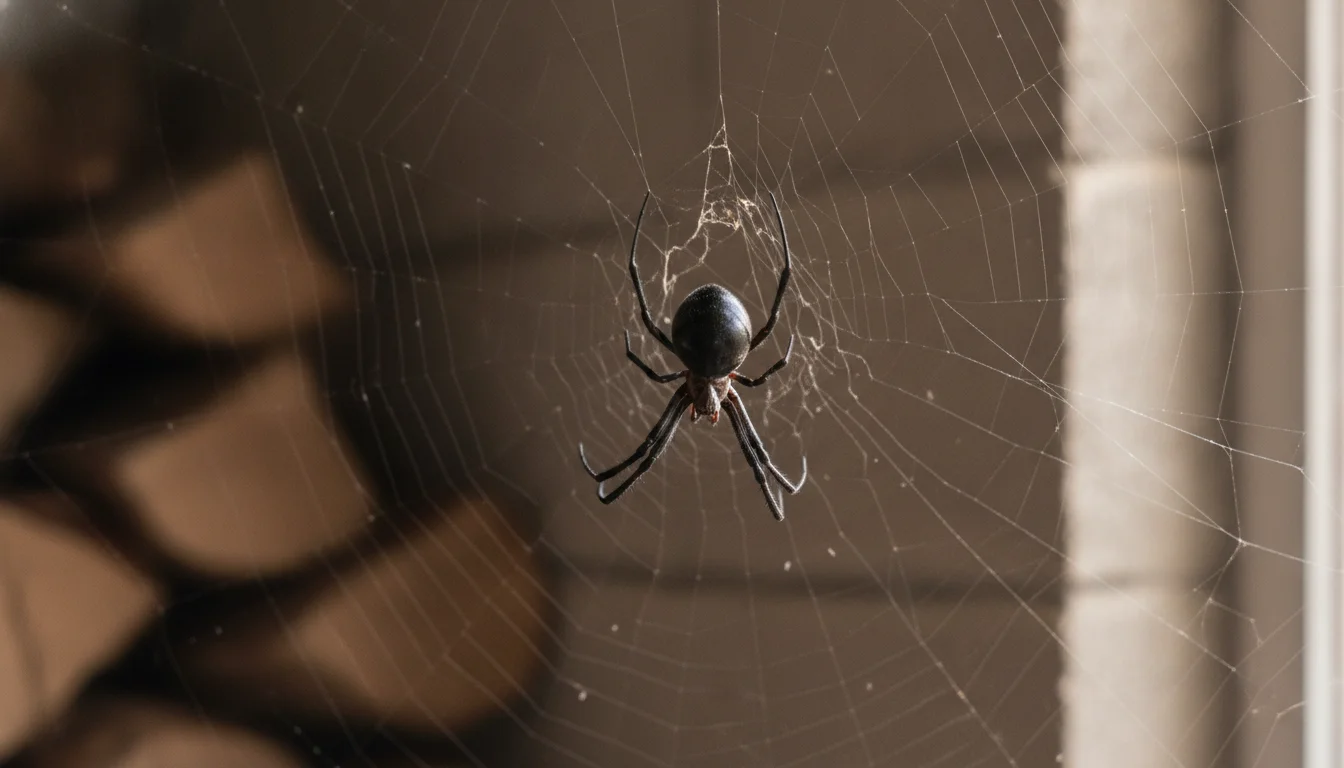
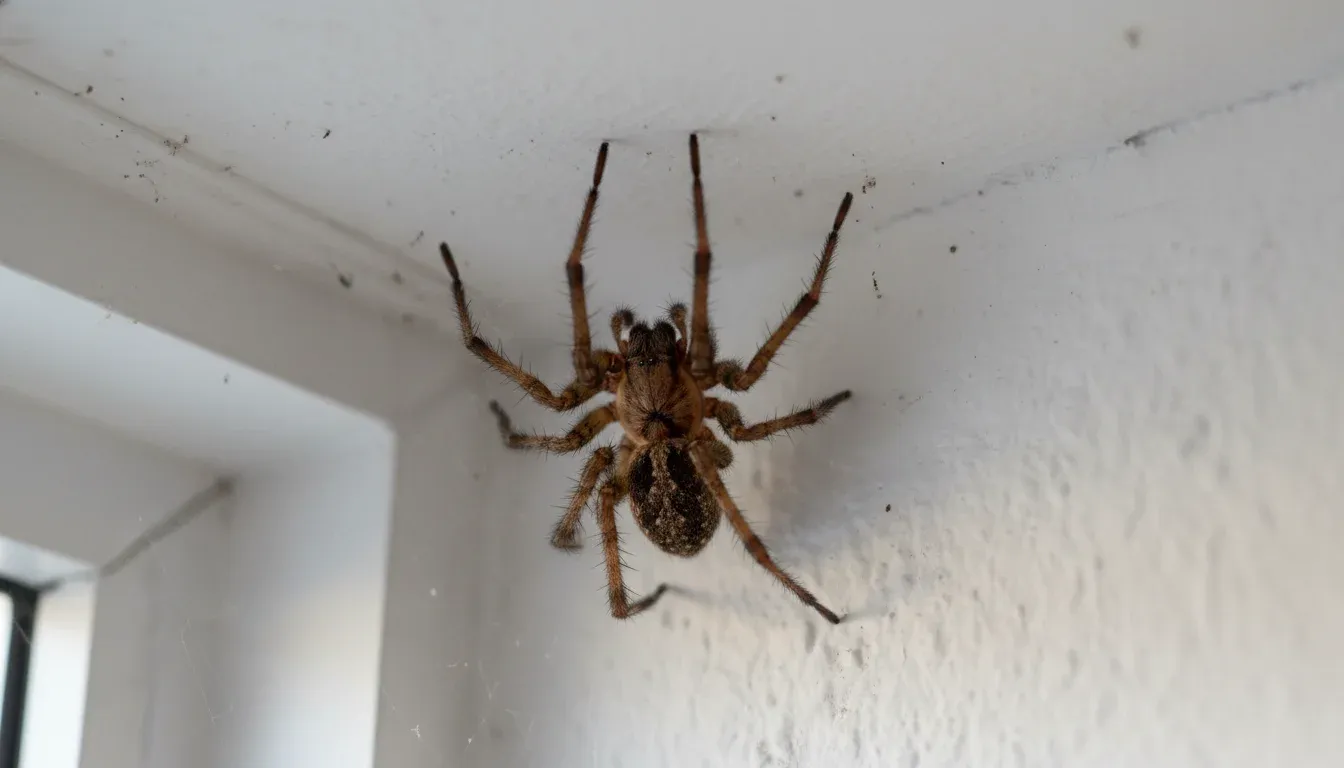
You’ve got spiders. Good news: they’re not hard to get rid of. The key insight most spider guides miss is that spiders don’t want your house – they want the insects in your house. Cut the food supply and they find somewhere else to live. Here’s what actually works.
1. If the Shoe Fits
Kill the one in front of you first. Most spiders are fragile enough that a napkin does the job. Bigger ones get the shoe. Wipe your sole clean afterward.
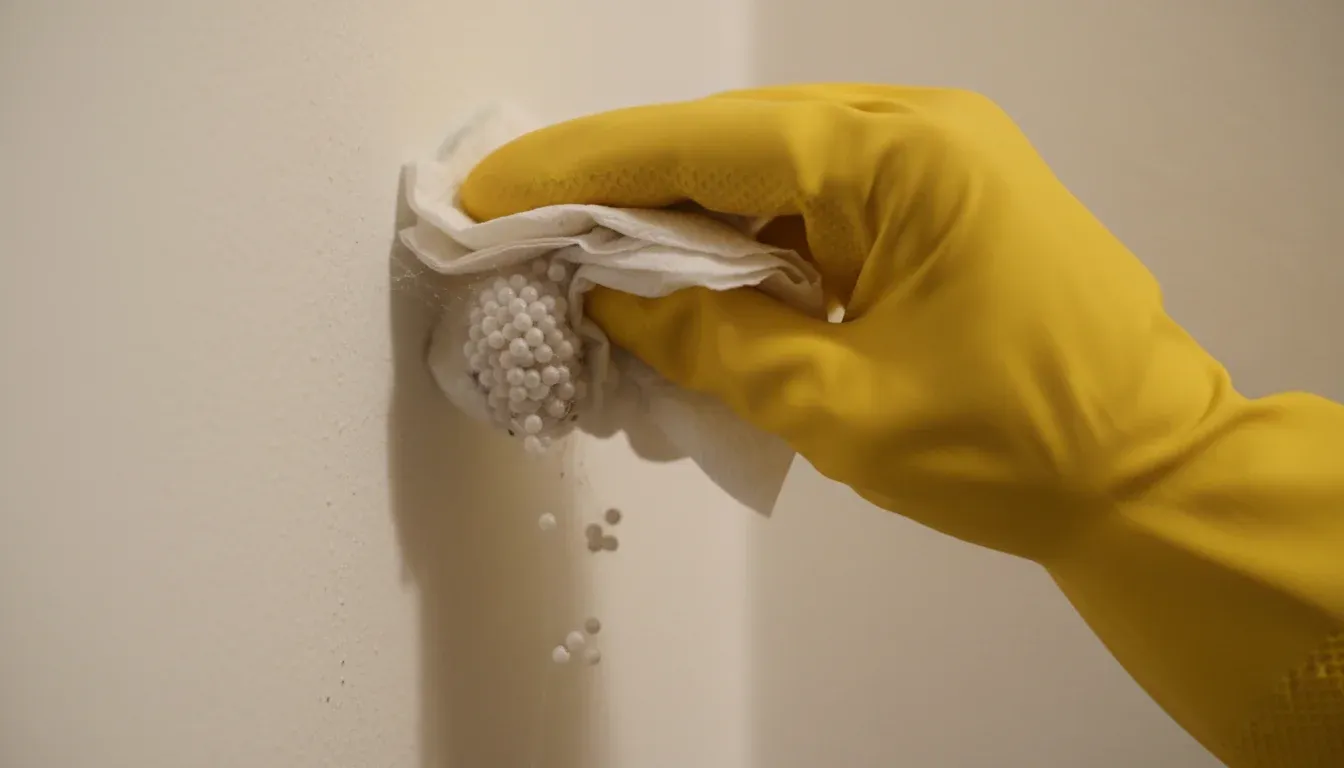
While you’re at it, check room corners for egg sacs – small white clustered balls that look like lumpy cotton. Put on rubber gloves, scrape them into a plastic bag with a paper towel, and trash it outside immediately. One spider might be dead, but leave the eggs and you’ll have fifty more by next week.
2. Vacuum Webs and Egg Sacs Regularly
Webs are spider marketing. An abandoned web signals to every other spider that this is prime real estate.
Use the hose attachment to suck up webs from ceilings, corners, behind furniture, and window frames. Do this weekly during late summer and fall – that’s spider season, when they’re searching for somewhere warm to overwinter. Monthly is fine the rest of the year. If you vacuum up egg sacs, empty the canister outside immediately.
3. Clutter-Free Is the Way to Be
Clutter is spider real estate. Piles of cardboard, stacks of paper, clothes on the floor – spiders love anything they can hide in and nest against.
Vacuum weekly. Pull stuff out from under beds. Replace cardboard storage boxes with plastic bins (cardboard is genuinely excellent nesting material for spiders). Wipe down corners, furniture, and window sills. Dust attracts mites and tiny insects; spiders eat those too – so a dusty house is a well-stocked pantry from their perspective.
4. When There’s Light, There Are Spiders
Spiders don’t come for your porch light. They come for the moths, flies, and gnats that your porch light attracts. You’re running a buffet and the spiders are just customers.
Turn off exterior lights when you’re not actively using them. If you’ve got motion-sensor capability, use it. Switching from all-night-on to motion-activated cuts the insect congregation, which cuts spider traffic almost immediately.
5. Remove Food Sources
Spiders eat insects. Insects come for food. Fewer food sources around your home means fewer insects, which means fewer spiders.
Secure garbage cans and compost bins with locking lids. Clean up fallen fruit and scattered birdseed. Store food (including pet food) in glass, metal, or thick plastic containers – not open bags. Don’t leave pet food out overnight. The logic is simple: take away the insect buffet and the spiders lose their reason to stay.
6. Eliminate Standing Water
Standing water breeds mosquitoes, gnats, and flies. Those insects draw spiders. Dump any containers holding water – buckets, old tyres, clogged gutters, tarps. Fix leaky outdoor taps. Change birdbath water every few days. Walk your yard after rain and empty whatever collected.
Clean gutters at least twice a year. Clogged gutters hold water in exactly the right spot to draw insects right next to where they can find gaps into your eaves.
7. Clear Yard Debris
Wood piles, leaf piles, overgrown shrubs, and junk stacked against the house give spiders somewhere to shelter inches from your entry points. They build webs, lay eggs, and wait for the next time you open a door.
Move firewood at least 20 feet (6 meters) from the house. Rake up leaves. Trim shrubs back so they’re not touching exterior walls. The more clear space between your house and harborage sites, the fewer spiders make the trip inside.
8. Seal Entry Points
Spiders are coming in somewhere. A thorough seal job is the most permanent fix on this list.
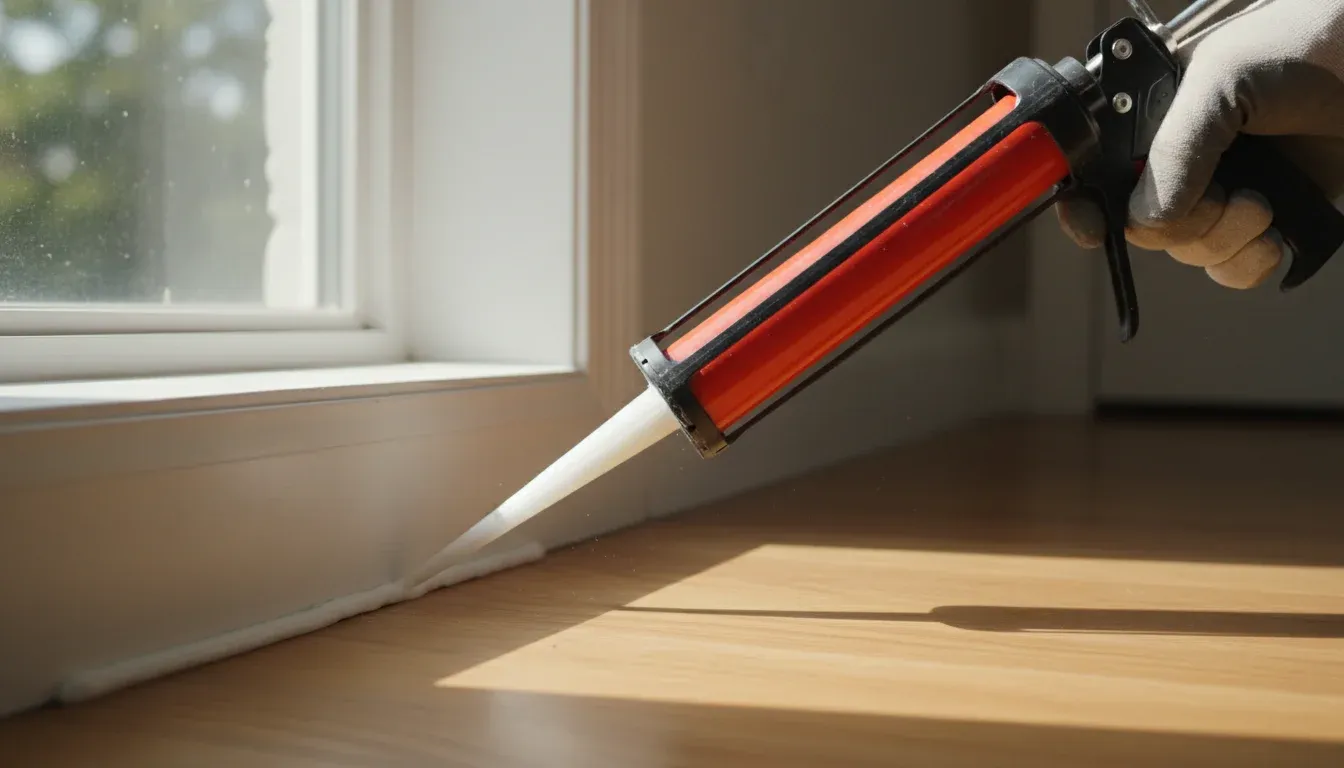
Check exterior walls where utility lines enter, gaps around door and window frames, vents, soffits, and foundation cracks. Seal small openings with caulk. For larger gaps, use steel wool packed in and secured with expandable foam – spiders can’t push through it. Don’t overlook sheds, decks, and garages; spiders stage there and migrate toward the house.
Do it once, do it right, and you won’t have to think about it again.
9. Close Windows and Doors
If air can get through, a spider can too. Screens are the fix – but only if they’re intact.
Install tight-fitting screens on windows you plan to open. Check for tears and patch with screen repair tape. Add door sweeps to exterior doors to seal the gap at the bottom. No screen means you’re running an open-door policy for everything with more than four legs.
10. Peppermint Oil Spray
Peppermint oil is the one repellent on this list with real evidence behind it, and even that evidence is thin. In a controlled experiment, mint oil deterred web-building in two of the three spider species tested. Promising, not a sure thing.
Buy a peppermint-based spider spray and use it exactly as the label directs. Treat it as a deterrent that nudges spiders toward the exits, not a way to clear an active infestation. If you have cats, skip it – peppermint oil is toxic to them.
11. Use Sticky Traps
Sticky traps catch anything that crawls across them. Place flat traps along baseboards, in corners, and under furniture – spider travel routes, not open floor space. They won’t wipe out an infestation alone, but they knock down the active population and show you exactly where activity is concentrated.
Check them weekly. When they’re full or lose stickiness, replace and bin them outside.