Table of Contents
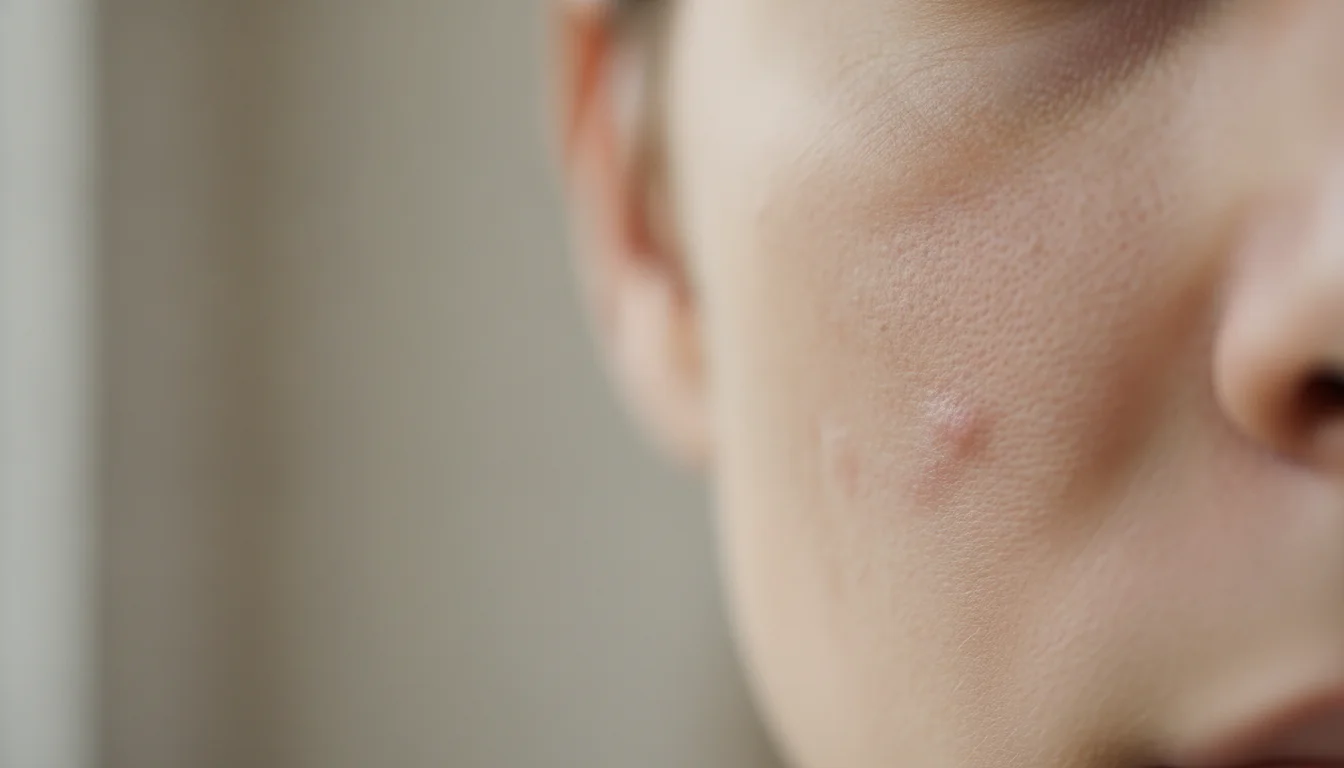
A lot of what people call acne scars are not scars at all. The flat red or brown patches left after a spot clears are post-inflammatory marks, closer to dark spots than to true scarring, and they fade on their own with the right help. Real scars are different: dents and ridges where the skin healed unevenly, the ice-pick, boxcar and rolling craters that stay put once they form.
The split matters because it decides what you can do at home. Marks and shallow scarring respond well to over-the-counter actives used steadily for a few months. Deep pitted scars barely move without a professional, and no cream will fill them. The pages that rank for this search lead with lasers and surgery and treat the home routine as an afterthought. Here is that routine first, with the line where home care stops drawn honestly.
1. Wear Broad-Spectrum Sunscreen Every Day
Start here, because everything else is undone without it. Ultraviolet light darkens post-inflammatory marks and drags out how long they take to fade, so the mark you treat at night gets set back every afternoon you skip it. Sunscreen does not treat the scar; it lets the other treatments work.
Use a broad-spectrum SPF 30 or higher every morning, and follow the directions on the label for how much to apply and how often to reapply. A mineral formula with zinc oxide or titanium dioxide suits scar-prone and sensitive skin well. Wear it on cloudy days too; the light that fades your progress comes through cloud and glass.
2. Azelaic Acid
Azelaic acid is one of the better over-the-counter actives for the brown and red marks acne leaves behind. It slows the overactive pigment cells that cause post-inflammatory hyperpigmentation while leaving normal skin alone, which is why it is gentle enough for most people and considered safe to use during pregnancy.
Buy an over-the-counter azelaic acid cream and apply it to clean skin as the label directs. It will not fill a pitted scar, but for discolouration it does steady, real work, and it works slowly, so give it a good stretch of consistent use before you judge it. Mild tingling in the first weeks is normal.
3. Vitamin C Serum
Vitamin C is an antioxidant that brightens leftover discolouration and blunts the UV damage that keeps marks dark. It pairs naturally with sunscreen: apply it in the morning, then your SPF over the top.
Look for a serum with L-ascorbic acid and use it as the label directs. It oxidises fast, so keep it in a dark bottle away from light; once a serum has darkened or turned orange it has started to break down and is past its best, so replace it. Like the other actives here it works on colour, not texture, and slowly, so give it a good stretch of steady use before you decide.

4. An Over-the-Counter Retinoid
Adapalene is the one retinoid you can buy over the counter, sold as Differin, and its label treats acne. It speeds skin-cell turnover, which helps the marks acne leaves behind fade, and getting on top of active acne stops new ones forming. It works on marks, not on deep craters.
Follow the label: a pea-sized amount for the whole face, at night, eased in slowly because your skin needs time to adapt. The label notes your acne may look worse and your skin may feel irritated when you first start, which usually settles as your skin adjusts; but if the irritation becomes severe, stop and ask a doctor. Results can take up to three months. Because it makes skin more sun-sensitive, the daily sunscreen above stops being optional.
5. Exfoliate With Glycolic or Salicylic Acid
Chemical exfoliation is the honest at-home version of a peel. Glycolic acid, an AHA, works on surface tone; salicylic acid, a BHA, gets into oily, congested skin. Both lift away dull dead cells and speed the turnover that fades marks.
Use an over-the-counter glycolic or salicylic product exactly as its label directs, and not stacked with your retinoid on the same night. This is the at-home form of the “peel” that ranking pages sell as a clinic procedure: the shelf-bought acid does gentler, cumulative work. Ease off if skin gets tight or raw, and wear sunscreen the next day, because fresh-exfoliated skin burns easily.
6. Silicone Gel Sheets
If your scars are raised rather than sunken, the thick red tissue of hypertrophic scarring, silicone is the at-home option with the most evidence behind it. A silicone sheet or gel holds a sealed, hydrated layer over the scar. In trials on hypertrophic scars it eased pain and itch, with the clearest effect on scar thickness when it was paired with pressure. It is the same approach used on keloids and other raised scars.
Wear the sheets as the label directs, usually for long stretches each day, and expect to keep at it for a couple of months. They do nothing for sunken scars, which are a different problem entirely.
When to See a Professional
At-home care fades marks and softens shallow scarring. It will not fill a deep pitted scar, and some situations are worth a professional’s eye rather than another jar of cream:
- Deep ice-pick, boxcar or rolling scars that leave real dents in the skin. These need in-office work to change, because topicals cannot reach them.
- Marks or scars that have not shifted at all after three to four months of consistent over-the-counter use.
- A raised scar that keeps growing outward past the original spot, which can be a keloid rather than an ordinary raised scar.
- Any scar that is painful, itchy, changing, or that you are simply unsure about.
A dermatologist can assess your scar type and talk you through options such as resurfacing, needling, deeper peels or minor procedures. That is a conversation to have with them, based on your skin, not something to self-prescribe from a page like this.
Frequently Asked Questions
Can you get rid of acne scars at home? You can fade the marks and improve shallow scarring at home with the over-the-counter actives above, used steadily. True deep, pitted scars will not disappear without a professional.
What is the difference between acne scars and dark marks? Marks are flat discolouration, red or brown, and they fade on their own with help. Scars are changes in the skin’s texture, dents or ridges, and they do not fade the same way. Most people have some of both, which is why it helps to treat the acne first so no new marks form.
How long do acne scars take to fade? Marks fade gradually, not overnight, and only with consistent care and daily sunscreen; give any single active a good stretch of steady use before you judge it. Texture changes, where they respond at all, take longer still.
Do acne scars go away completely? Marks often do. Deep textural scars rarely vanish fully, even after professional treatment; the honest goal is to make them far less noticeable, not to promise perfect skin.