Household Pests
Evict the uninvited guests crawling, scurrying, and nesting in your home.
-
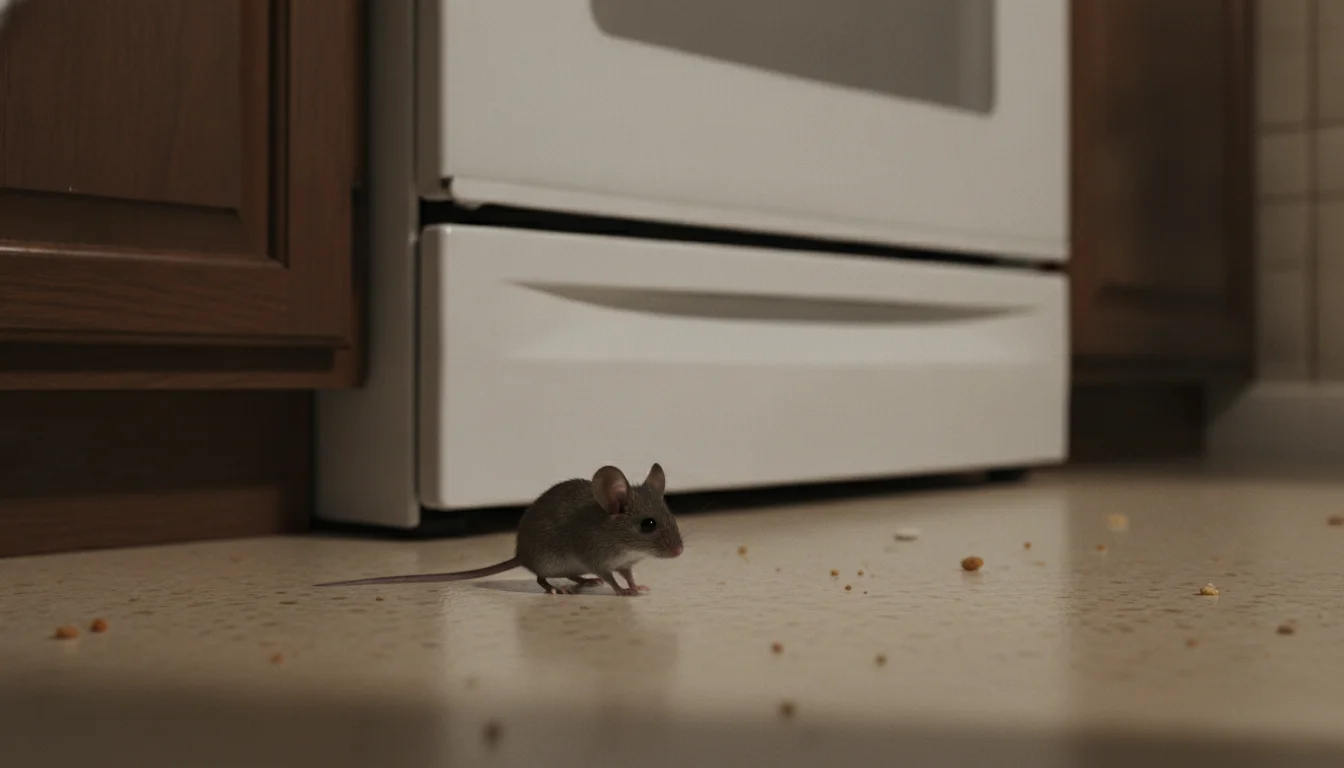
How to Get Rid of Mice in Apartment: 10 steps for renters
Read More: How to Get Rid of Mice in Apartment: 10 steps for rentersHere’s the first thing to know about how to get rid of mice in apartment buildings: a mouse in your apartment is rarely just your mouse. It came in along a pipe, a wall void or the gap under your door, and its relatives are probably next door or upstairs. That’s why so many renters…
-
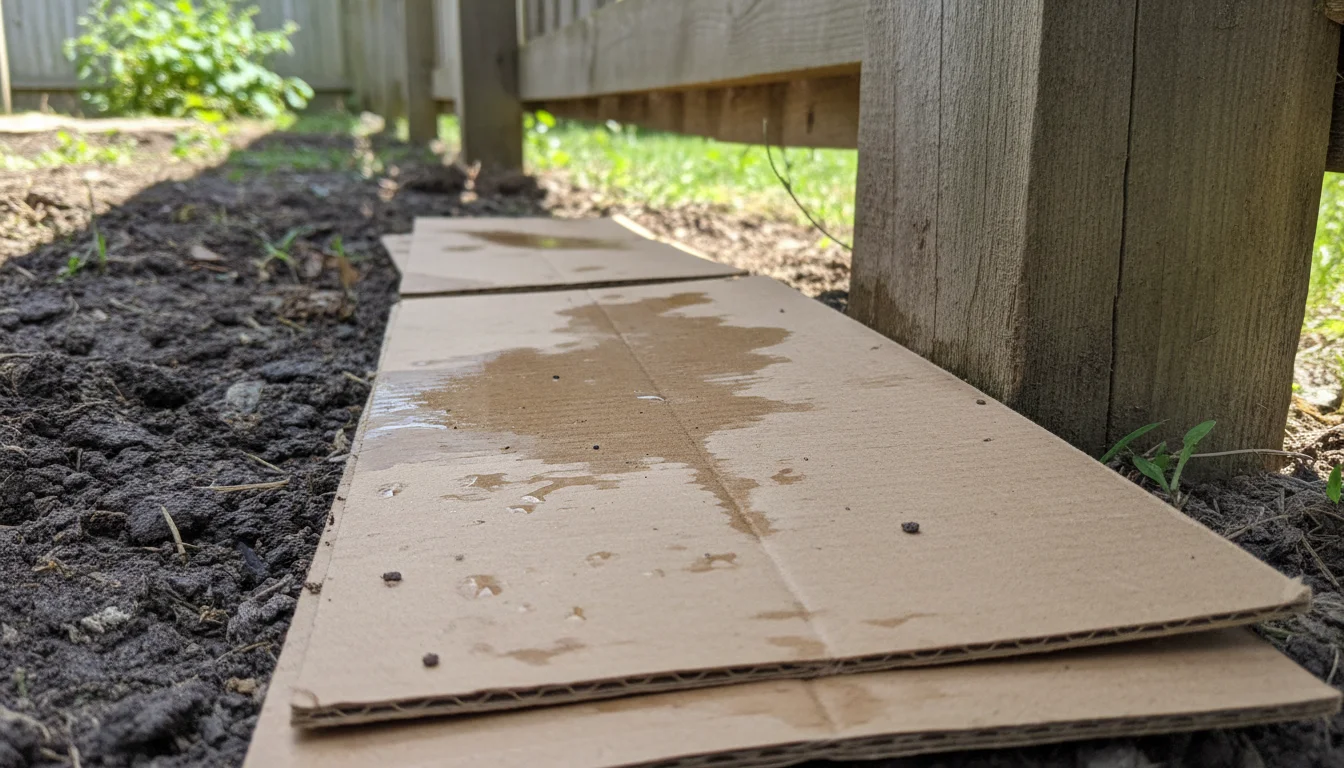
How to Get Rid of Wood Termites with Physical Methods: 4 physical methods to destroy termite colonies
Physical methods for termites don’t rely on chemistry – they use biology, heat, light, and mechanical traps to kill or remove termites. Some of these are genuinely effective for specific situations. None of them handles a large structural infestation on its own. Know what you’re dealing with before you choose a method. 1. Beneficial Nematodes…
-
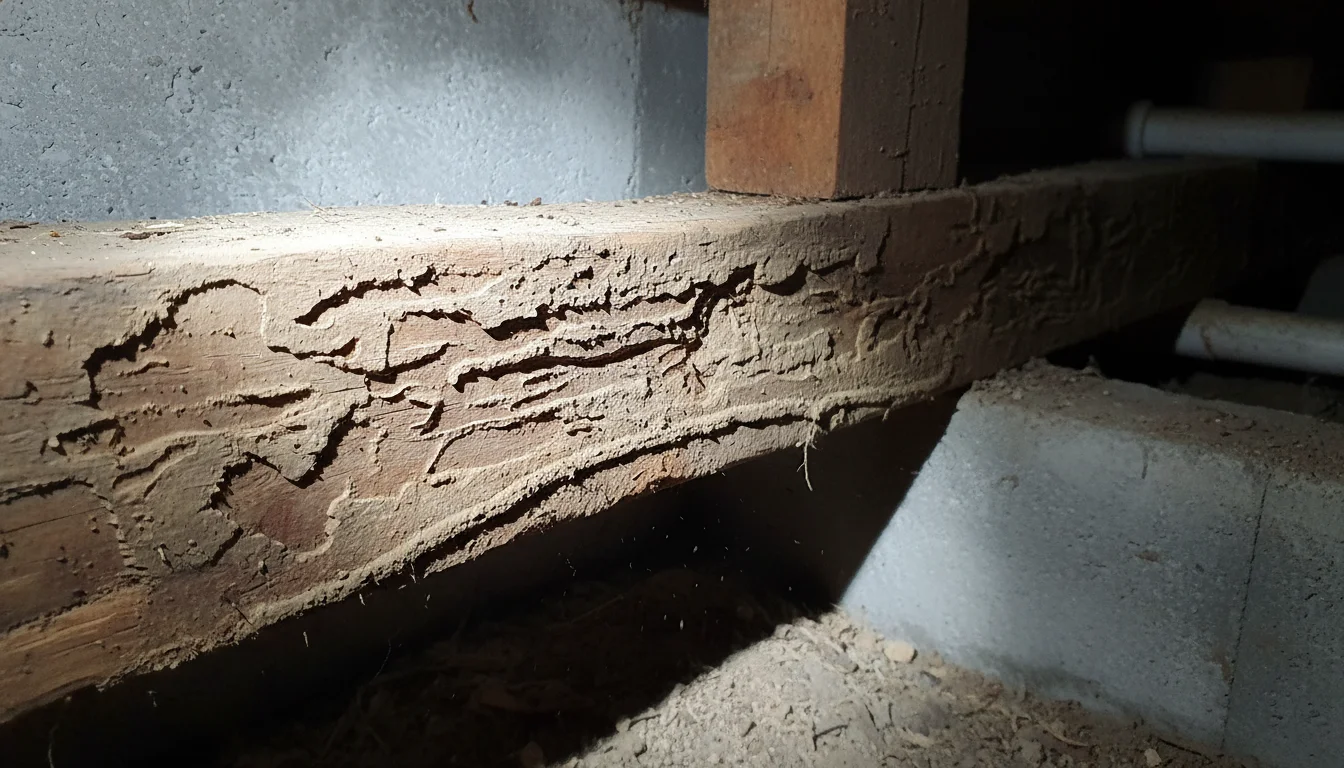
How to Get Rid of Wood Termites with Natural Treatments: 7 natural treatments to kill wood termites
Natural treatments for termites are a mixed bag. Some – boric acid, orange oil – have genuine efficacy for localized infestations. Others are best understood as deterrents or stopgaps. None of them replaces professional treatment for a well-established colony eating your structural timbers. Use them for early-stage problems, isolated infestations in furniture or small wooden…
-
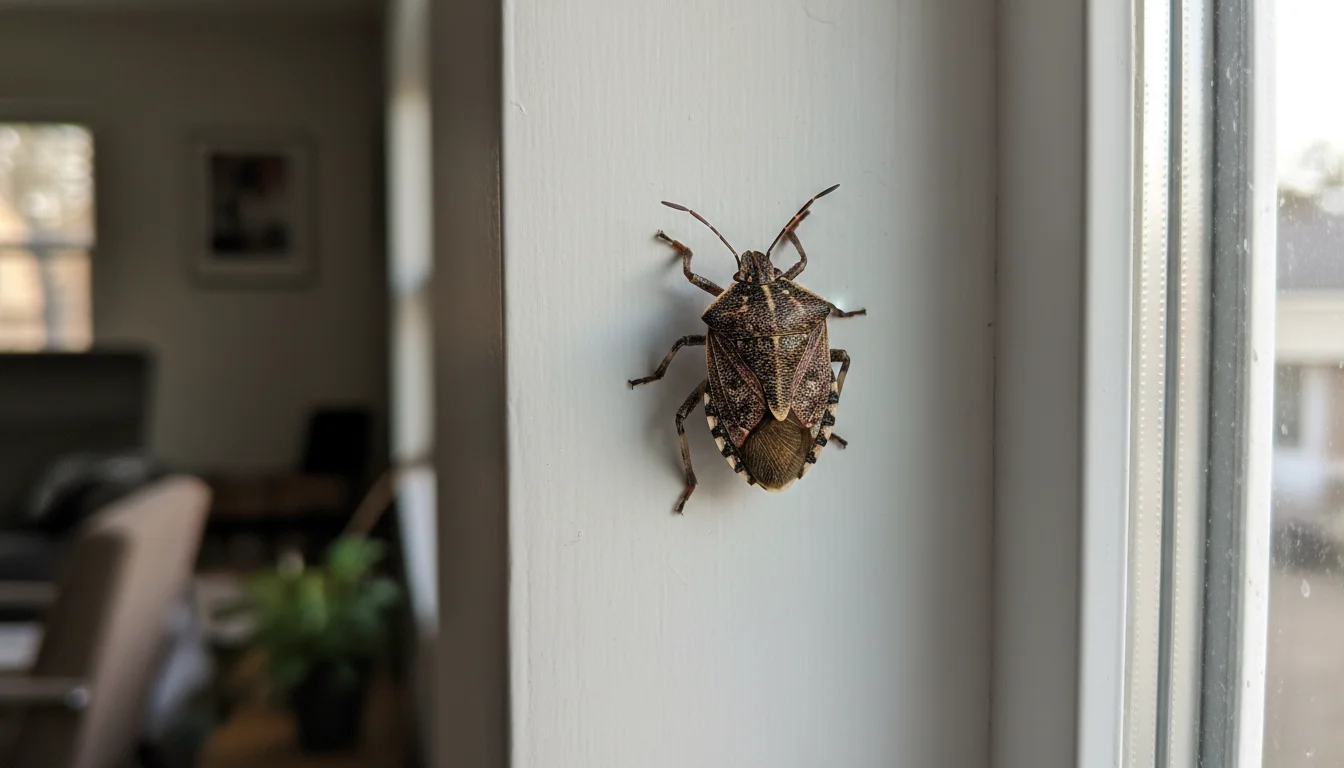
How to Get Rid of Stink Bugs with Removal: 6 hands-on removal techniques that actually work
The cardinal rule with stink bugs: don’t crush them. That smell is a defensive chemical they release when threatened or killed, and it lingers. The methods below let you remove or kill them without triggering it – or at least without making the problem dramatically worse in the process. 1. Flush with Tissue The quick-and-clean…
-
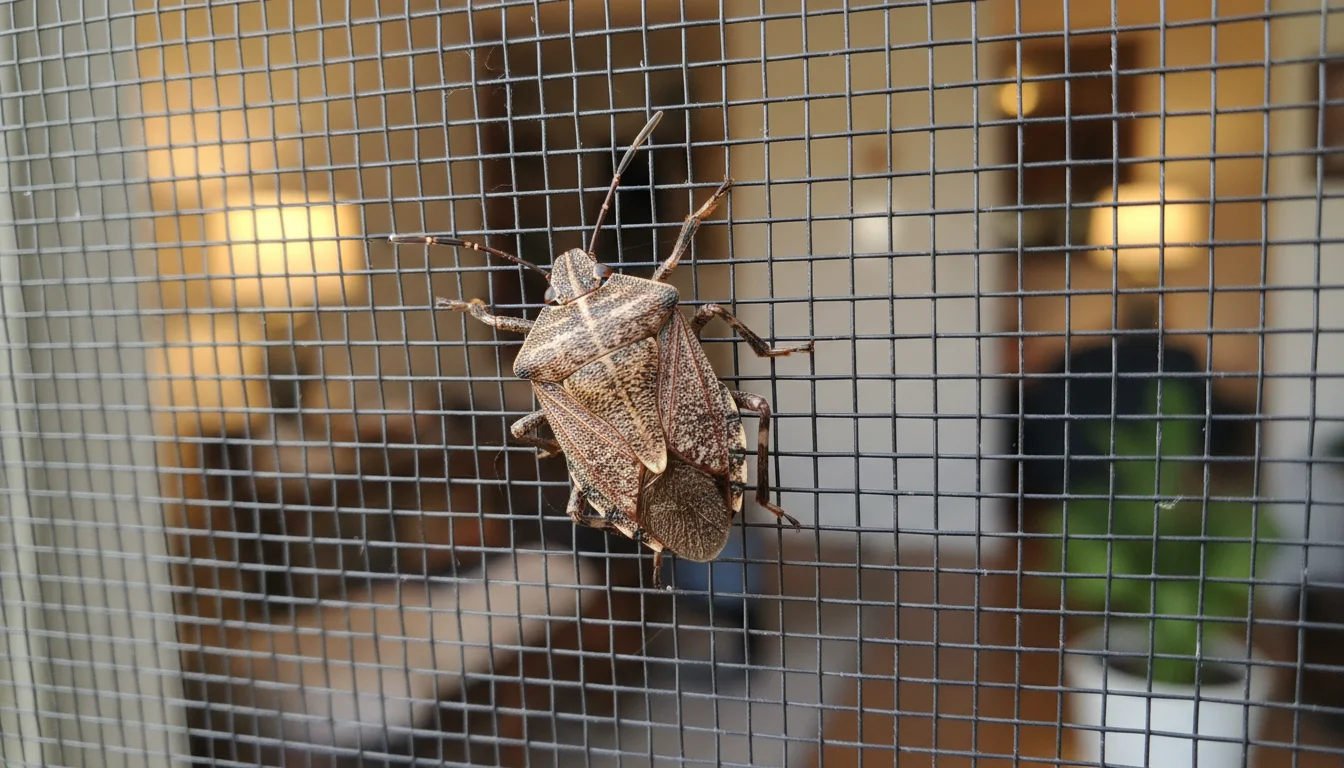
How to Get Rid of Stink Bugs with Exclusion: 6 exclusion tactics to seal bugs out
Stink bugs don’t break in – they find gaps you didn’t know existed and walk through them. They’re looking for a warm place to spend winter, and from September through November they’re actively hunting for it. If your house has cracks, gaps, or loose screens, they’ll find them. Exclusion is the only long-term fix: seal…
-
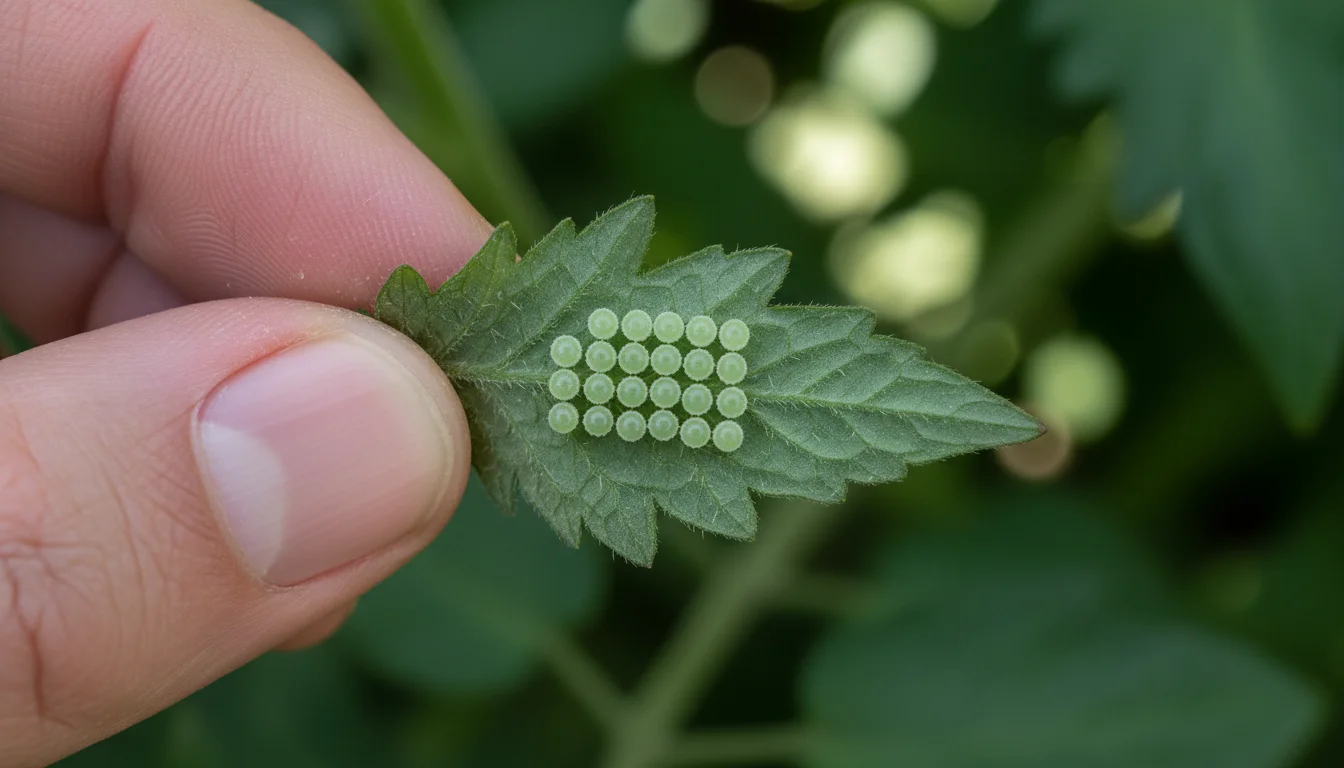
How to Get Rid of Stink Bugs in Garden: 5 ways to repel garden stink bugs
Stink bugs aren’t just a problem inside the house. In the garden they’re crop destroyers – they pierce plant tissue to feed, injecting enzymes that cause fruit to rot from within. Tomatoes, peppers, beans, and stone fruit are their favorites. By the time you see the discolored, dimpled damage on your harvest, they’ve been feeding…
-
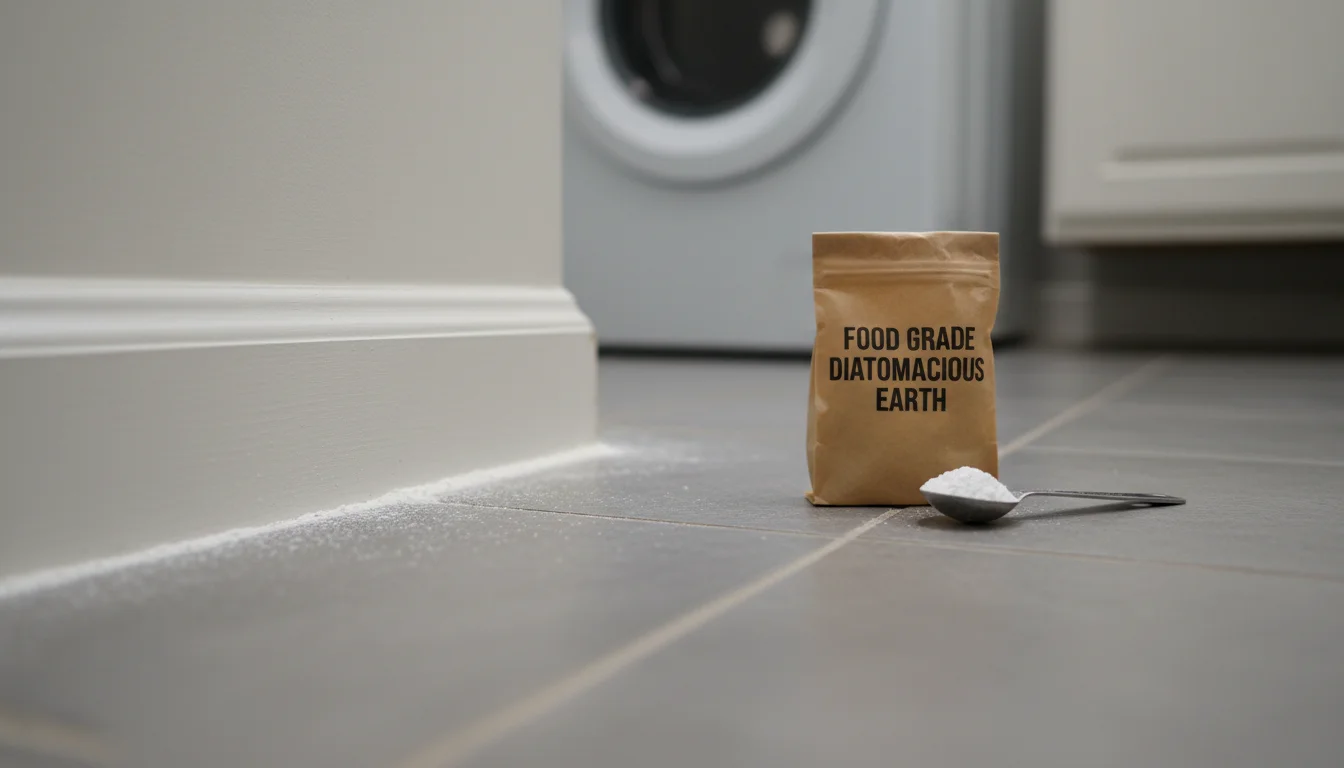
How to Get Rid of Silverfish with Traps And Treatments: 5 traps and treatments to catch silverfish
Moisture control and prevention address why silverfish are in your home. Traps and treatments address the silverfish that are already there. Use both in combination – treating without fixing the underlying conditions just means you’ll be treating indefinitely. 1. Diatomaceous Earth Food-grade DE is a fine powder made from fossilized algae shells. Under a microscope,…
-

How to Get Rid of Silverfish with Prevention: 5 prevention steps to keep silverfish away
Silverfish infestations are easier to prevent than to fix. They’re attracted to starchy foods, humid spaces, and abundant hiding spots – all things you can control. These five measures remove what’s bringing them in and give them nowhere comfortable to settle. 1. Lock Down Food Storage Silverfish eat starch – flour, cereal, crackers, pasta, oats,…
-
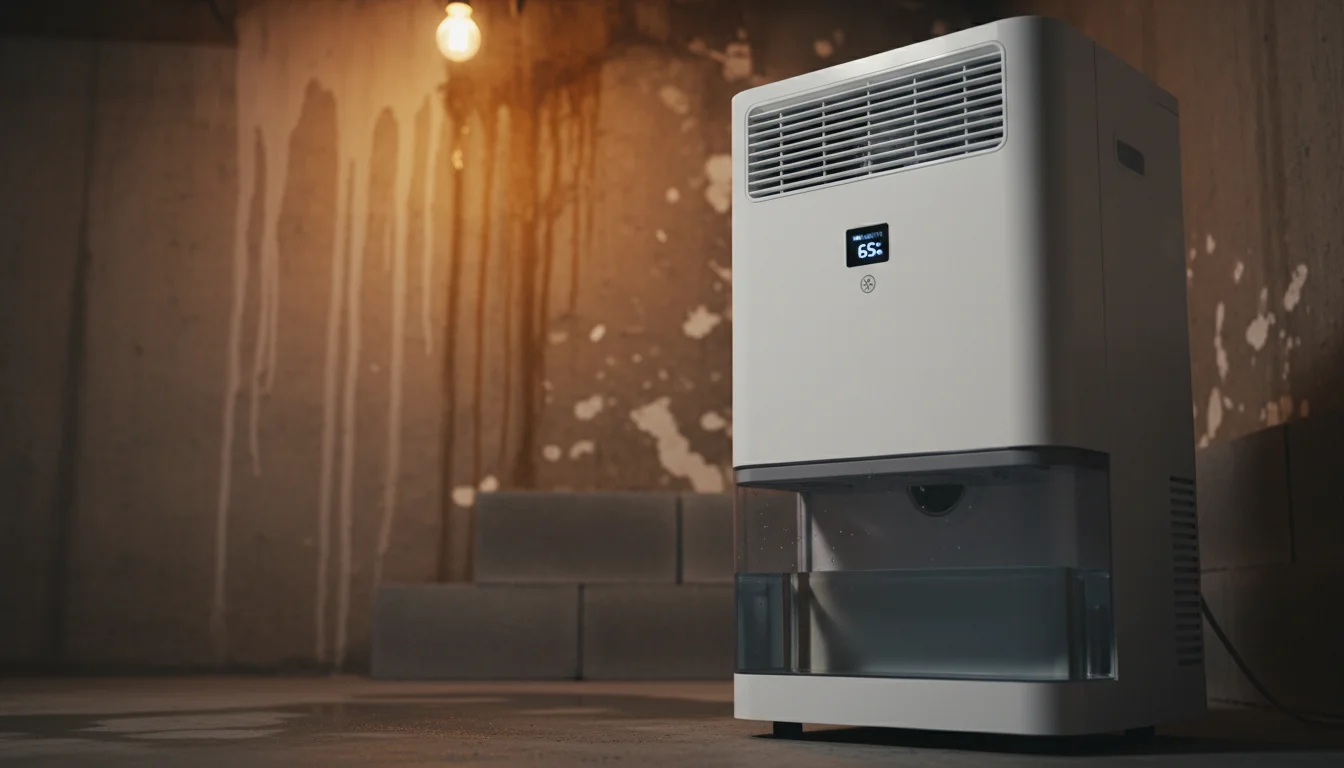
How to Get Rid of Silverfish With Moisture Control: 5 fixes that actually work
Silverfish aren’t a chemical problem. They’re a humidity problem. You can spray every baseboard in the house and still have them back in a month if the underlying moisture source is still there. They need 75-95% relative humidity to survive, which means dry air kills them more reliably than any pesticide. Fix the moisture, the…
-
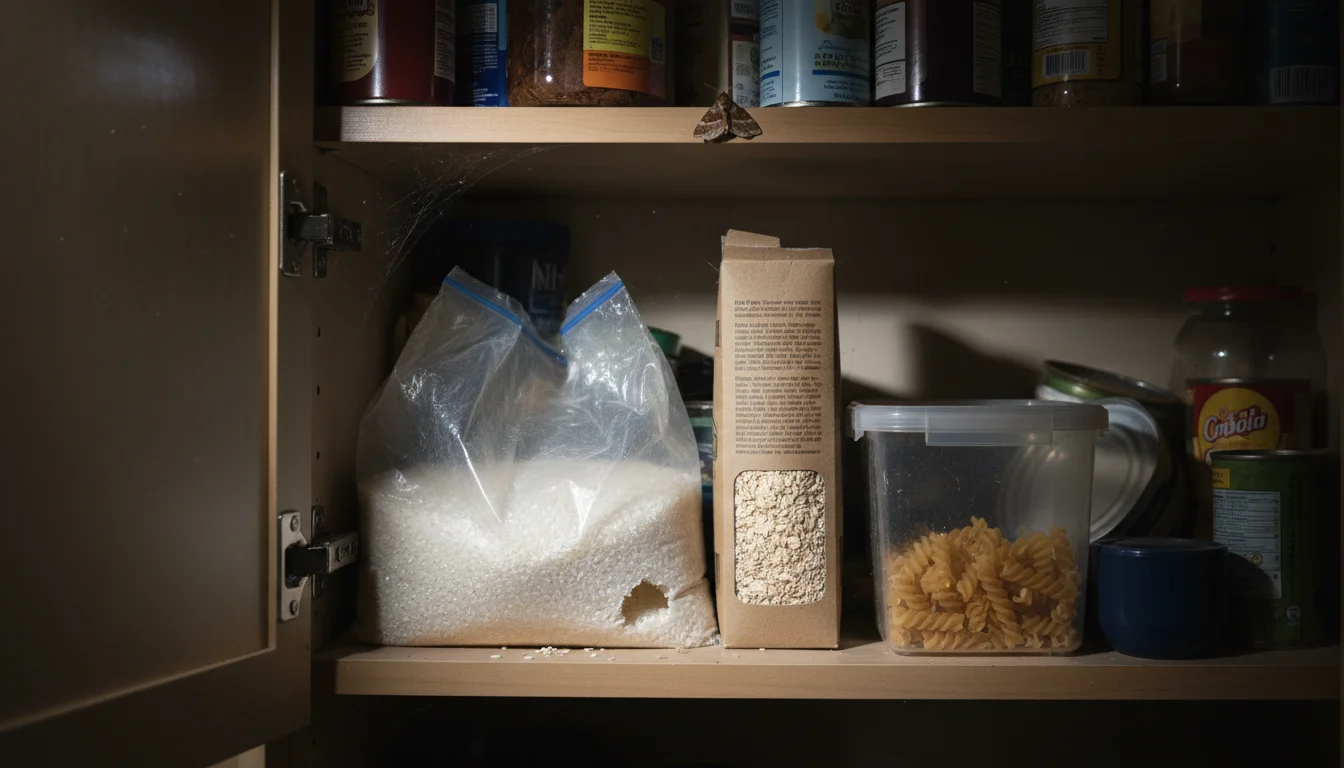
How to Get Rid of Moths in Pantry: 9 steps to clear them
Moths in pantry cupboards are almost always Indian meal moths, and they announce themselves late. By the time you spot a small brown moth on the cabinet wall or webbing matting a bag of rice, the larvae have been feeding for weeks. These are a food pest, not the clothes moths that infest a closet,…