Garden & Wildlife
Take back your yard from weeds, plant pests, and backyard wildlife.
-
How to Get Rid of Caterpillars on Mint: 6 ways that work
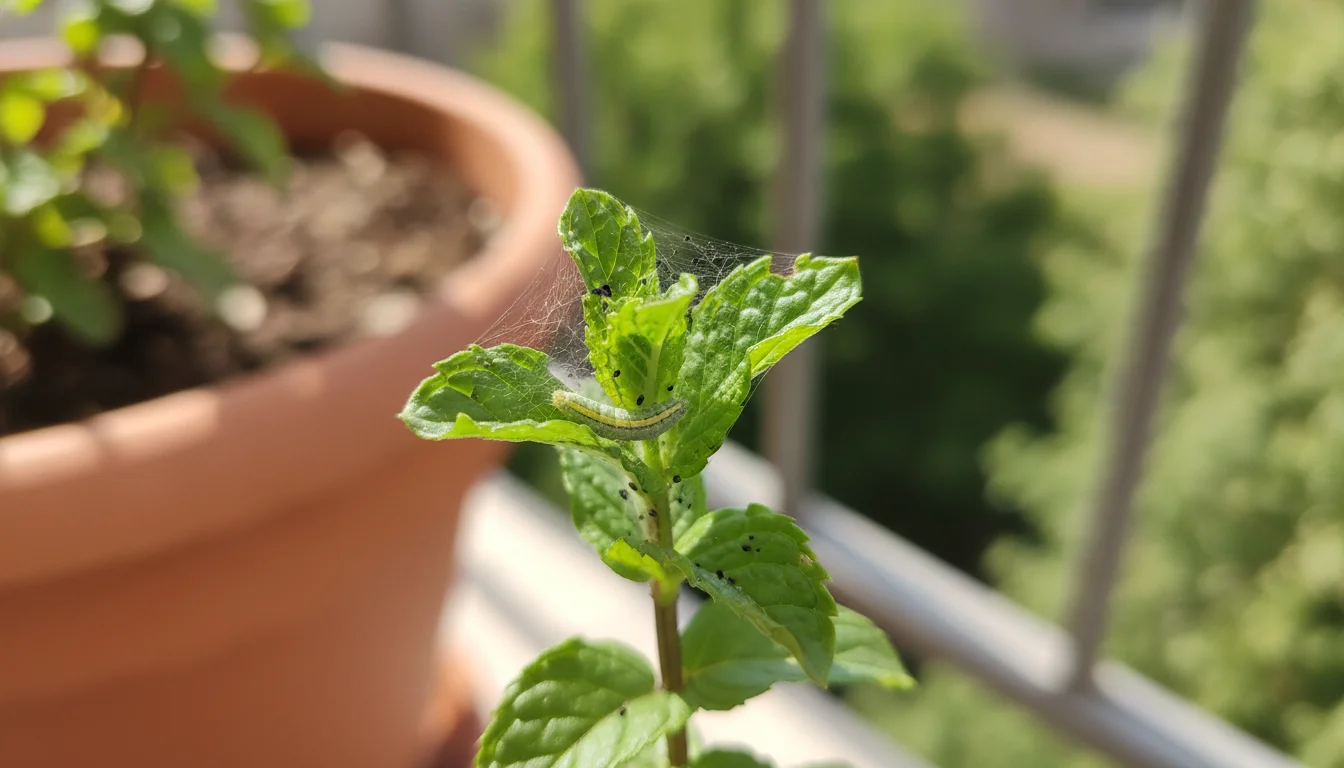
Read More: How to Get Rid of Caterpillars on Mint: 6 ways that workMint shrugs off shade, drought and neglect, so finding it chewed, with the shoot tips tied up in fine silk, feels personal. It’s usually one of two things: mint moth caterpillars in those webbed tips, or green loopers chewing holes from the underside of older leaves. Both come off by hand, and mint answers a…
-
How to Get Rid of Garden Pests: 5 ways to protect your plants
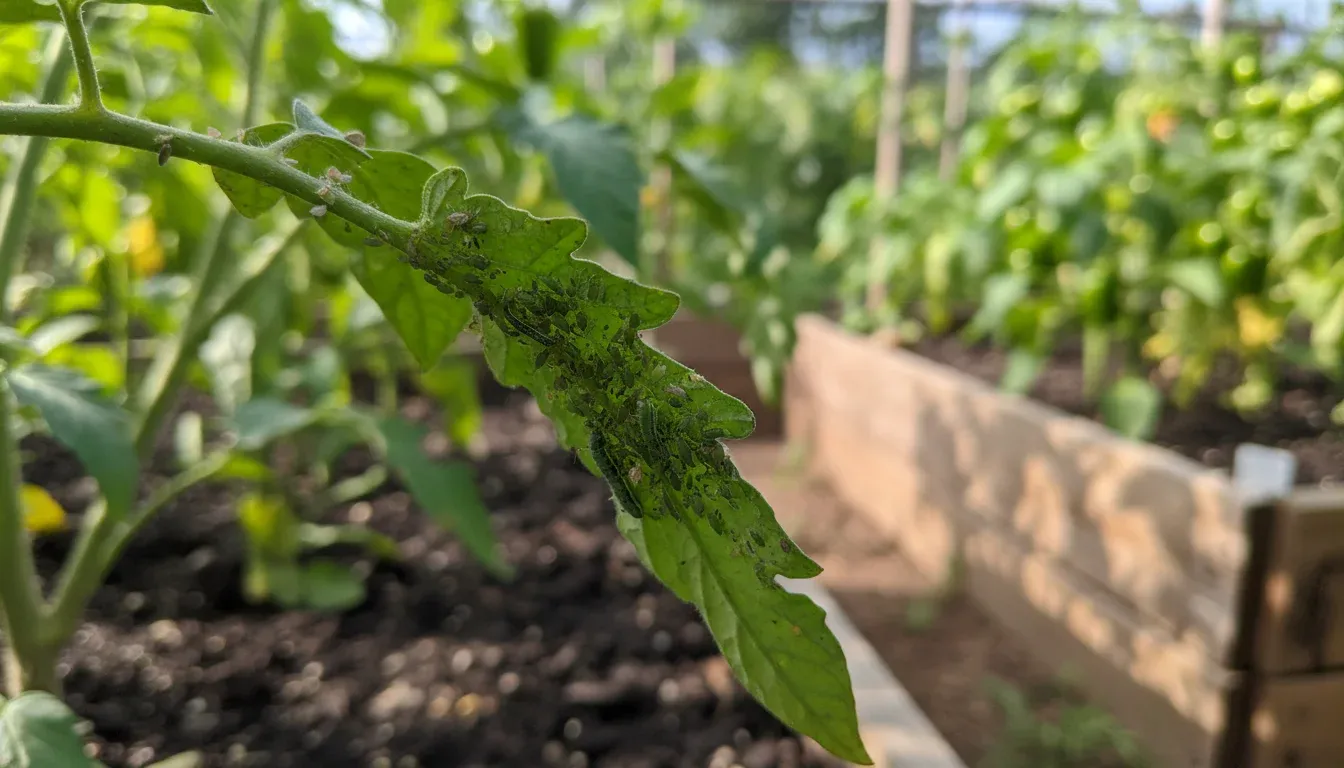
Commercial pesticides work, but they come with baggage. They kill beneficial insects along with pests, leave residues on vegetables, and create health concerns for pets and children playing in the garden. Organic gardeners have long sought alternatives that actually work without the collateral damage. Mushroom-based pest spray is one of the most effective natural solutions…
-
How to Get Rid of Goosegrass in Lawn: 6 ways to pull goosegrass roots
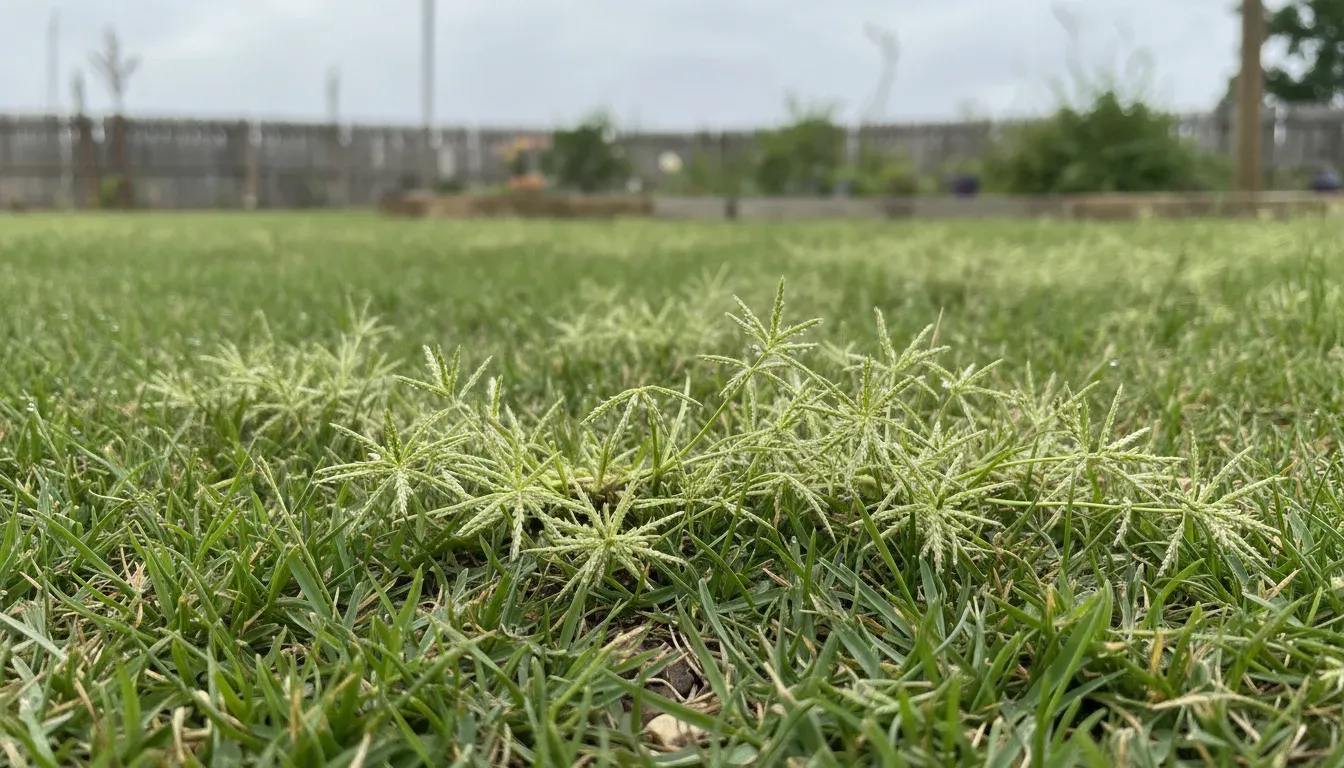
Goosegrass looks like crabgrass’s aggressive cousin. It grows in flat, star-shaped clumps that spread rapidly across thin or compacted turf, choking out desirable grass. Left unchecked, a single goosegrass plant produces up to 50,000 seeds, ensuring future generations will plague your lawn for years. This summer annual weed thrives in compacted soil and areas with…
-
How to Get Rid of Whiteflies on Plants: 14 ways to spray whiteflies off plants
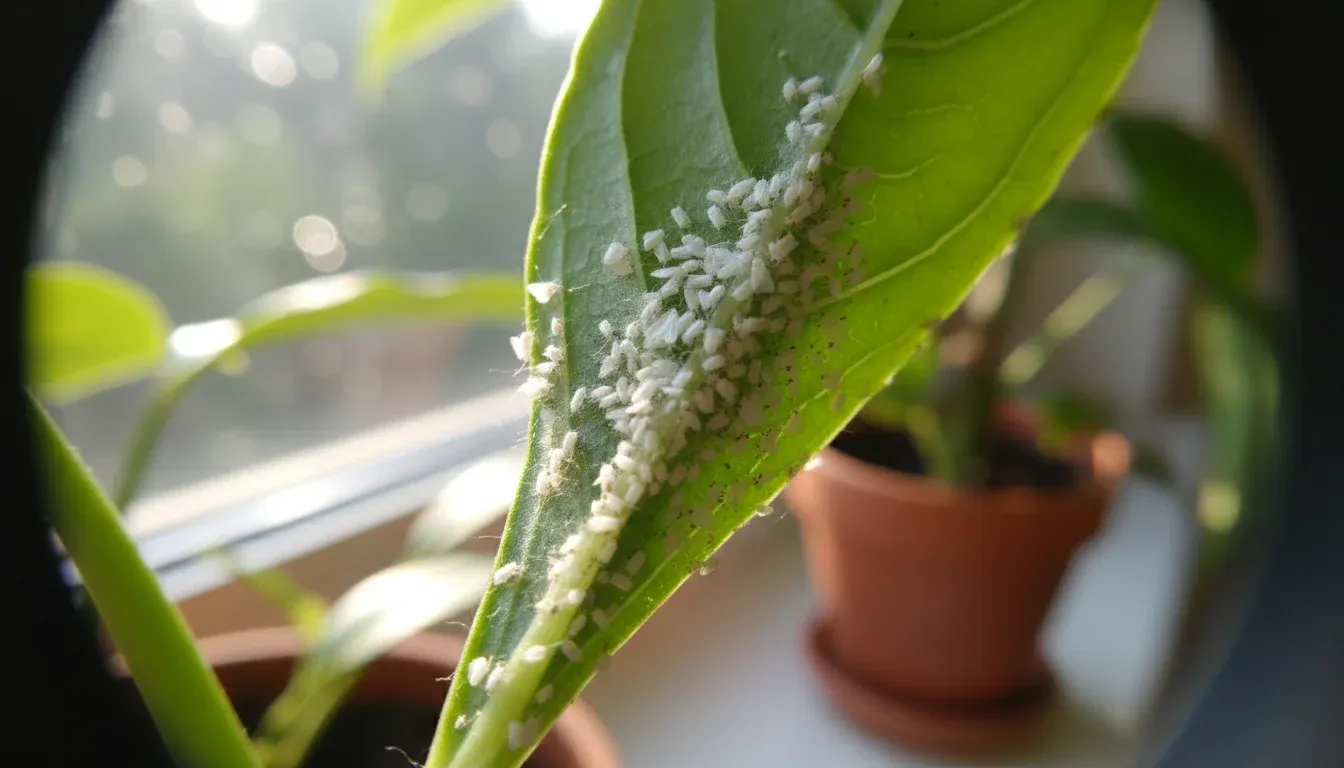
Whiteflies look harmless – tiny white specks barely visible to the eye – until you disturb an infested plant and they swarm upward in a cloud. By then, you’re already in trouble. These pests reproduce with terrifying speed, and a single female can lay 400 eggs in her lifetime. In warm conditions, whiteflies complete their…
-
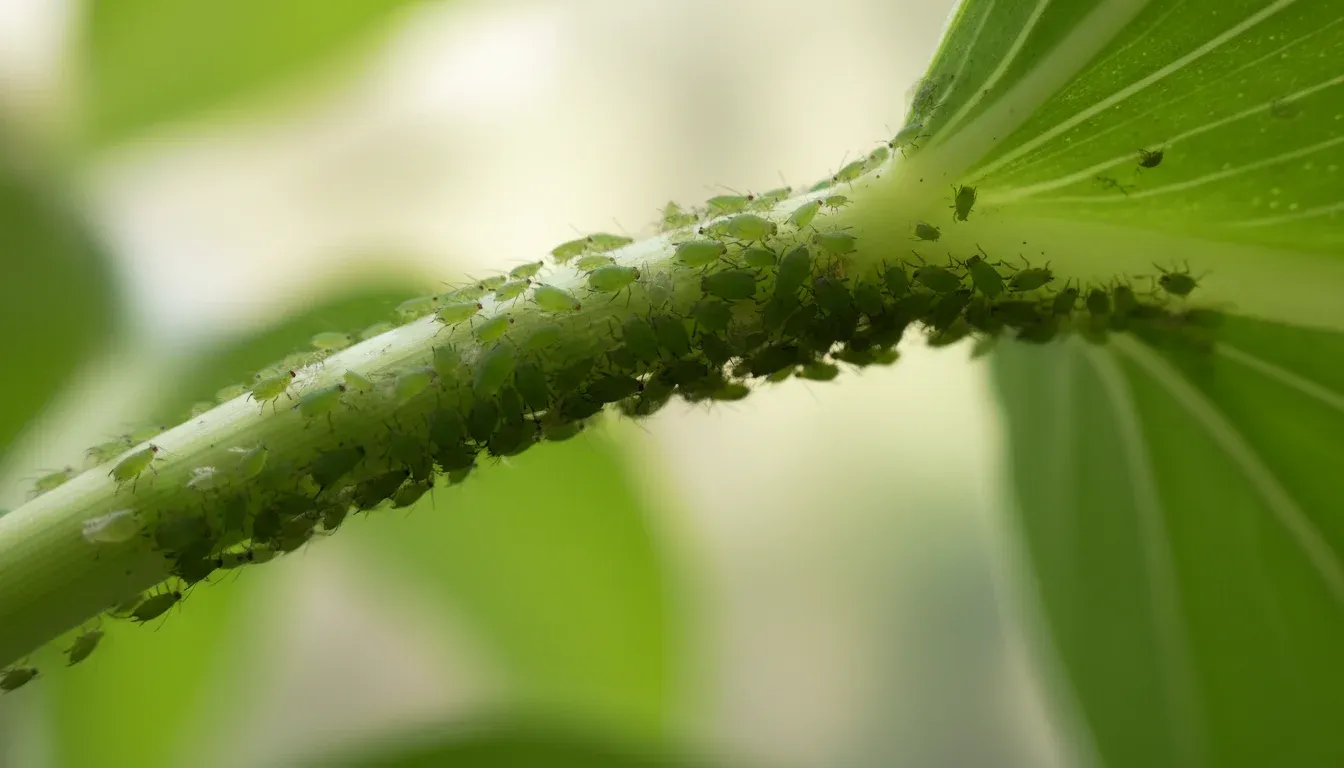
How to Get Rid of Insects on Plants: 8 sprays to kill plant insects
Nothing is more frustrating than watching healthy plants become lunch for insects. Whether you’re tending a vegetable garden or keeping houseplants alive, bug damage can turn lush greenery into a hole-ridden mess within days. The key is acting fast before the infestation spreads. You don’t need to identify every pest to save your plants. While…
-
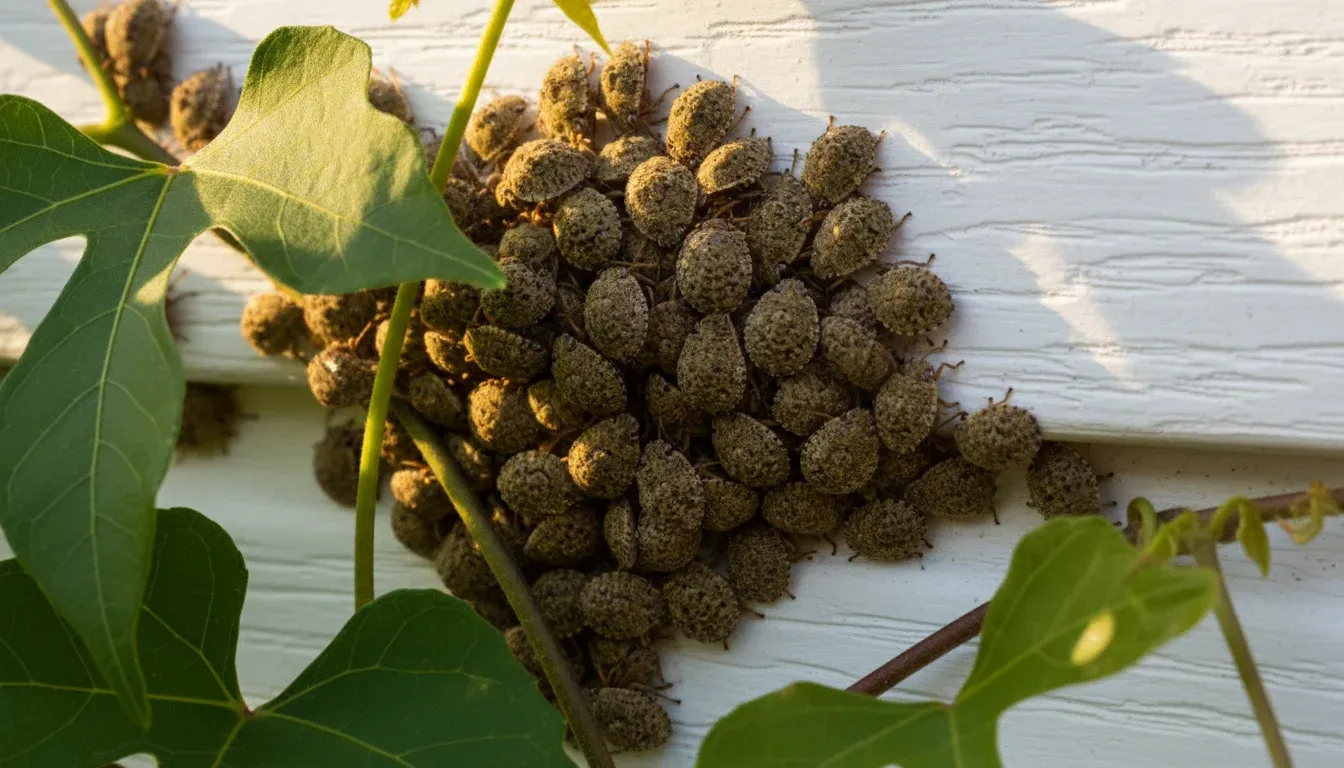
How to Get Rid of Kudzu Bug in Alabama: 7 ways to clear kudzu bugs outdoors
Kudzu bugs are one of the more unpleasant invasive species to hit the Southeastern United States. Native to India and China, these small, shield-shaped insects (about the size of a ladybug) have made themselves at home in Alabama and surrounding states. They’re attracted to light-colored surfaces, reproduce quickly, and can travel long distances by hitching…
-
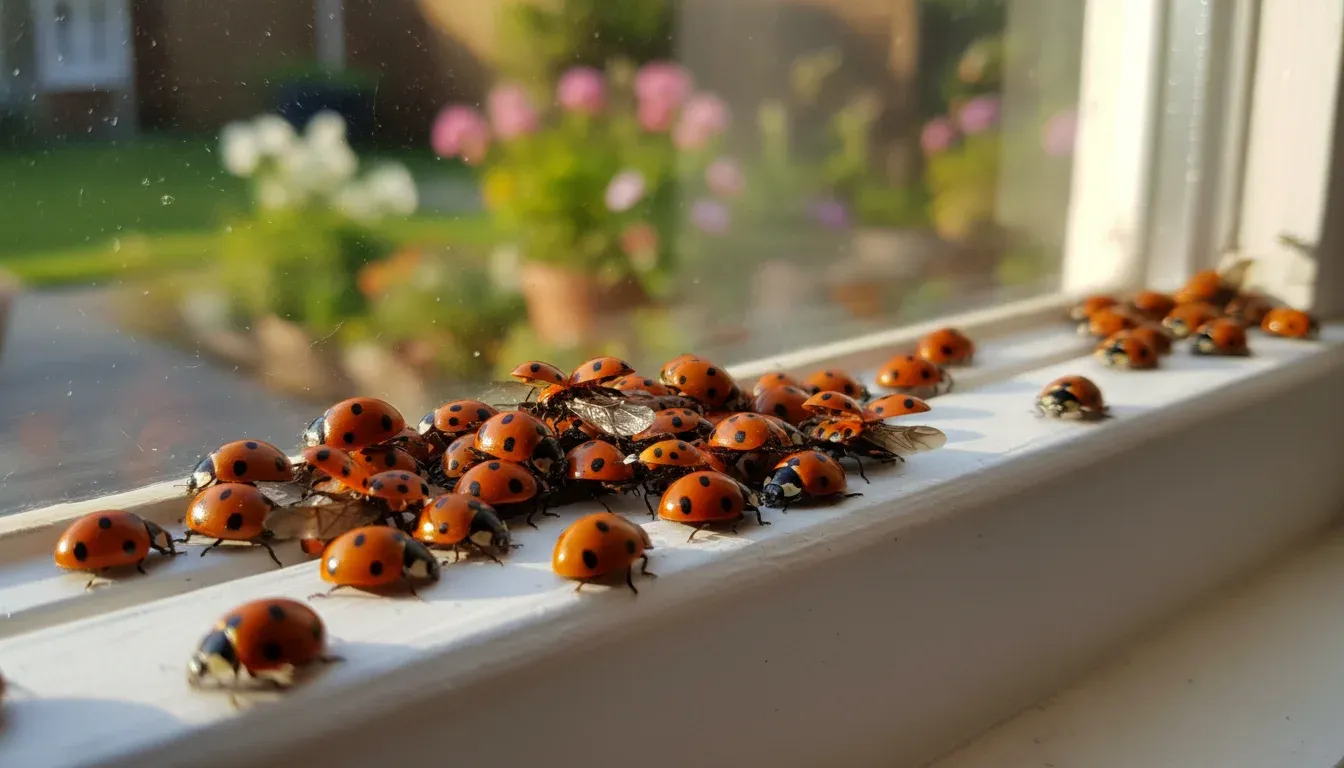
How to Get Rid of Ladybugs from Home: 9 ways to seal ladybugs outside
Ladybugs are beneficial insects in the garden. They devour aphids, mites, and other pests that damage plants. But when temperatures drop in fall, these same helpful beetles start looking for warm places to spend winter. Suddenly your sunny windowsills and attic corners are swarming with red-and-black spotted visitors who don’t know when to leave. The…
-
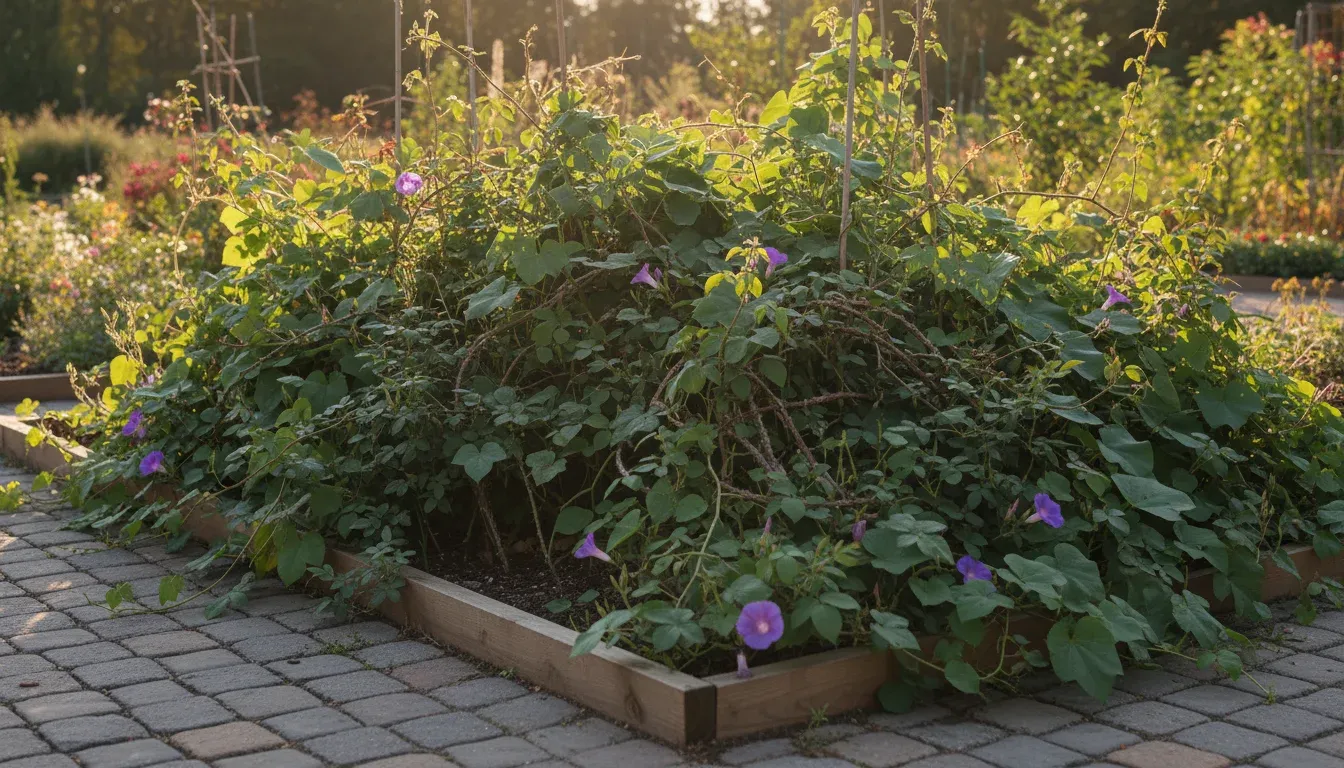
How to Get Rid of Invasive Plants from Ground: 8 ways to uproot invasive plants
Some plants don’t just grow. They invade. They conquer. They turn your carefully planned garden into their personal empire while you weren’t looking. And by the time you realize what’s happening, you’re already losing the war. The worst offenders aren’t weeds you can just yank out on a Sunday afternoon. These are the botanical equivalent…
-
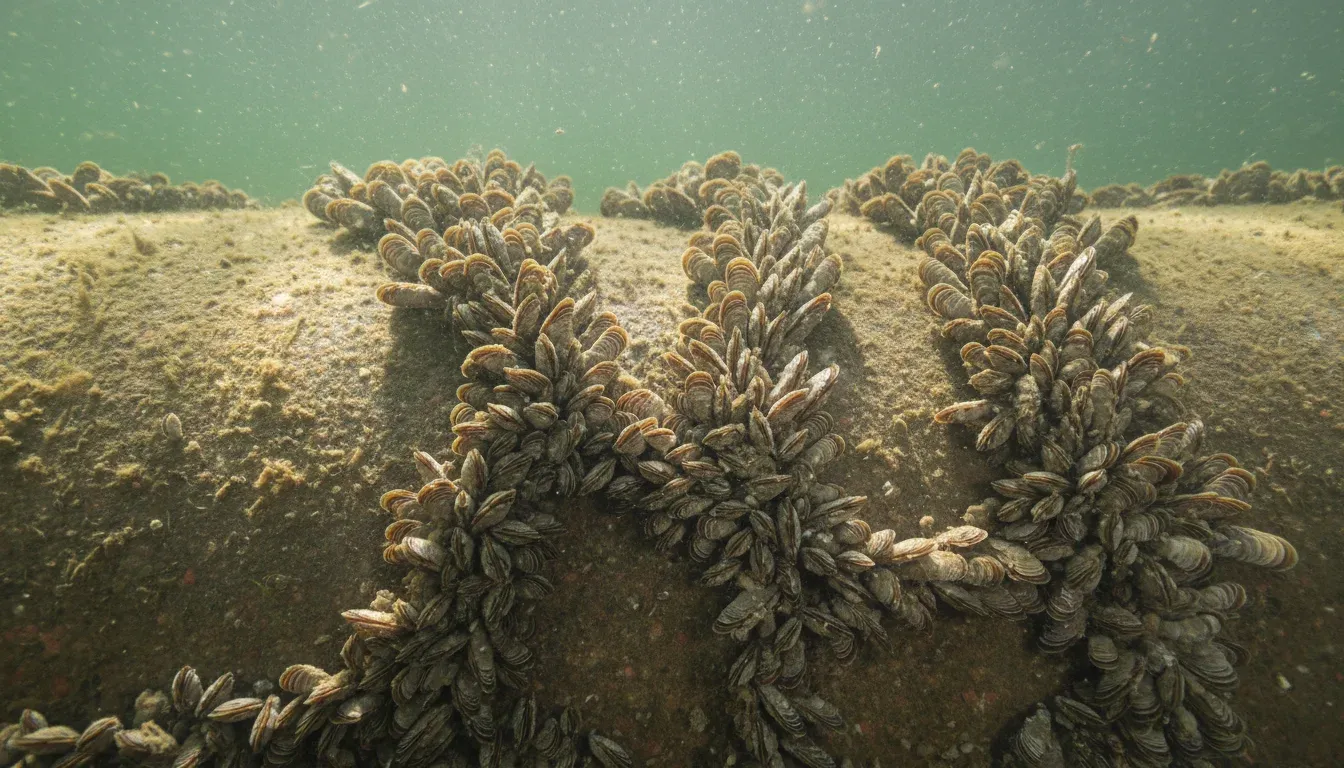
How to Get Rid of Quagga Mussels in Snake River: 10 ways to control quagga mussel spread
Quagga mussels are wrecking the Snake River ecosystem. They clog water intake pipes, destroy native species, and turn boat hulls into barnacle nightmares. The Snake River Basin has been fighting these invaders since they hitchhiked in from the Great Lakes, and getting rid of them takes serious chemical firepower, physical removal, or preventive action before…
-
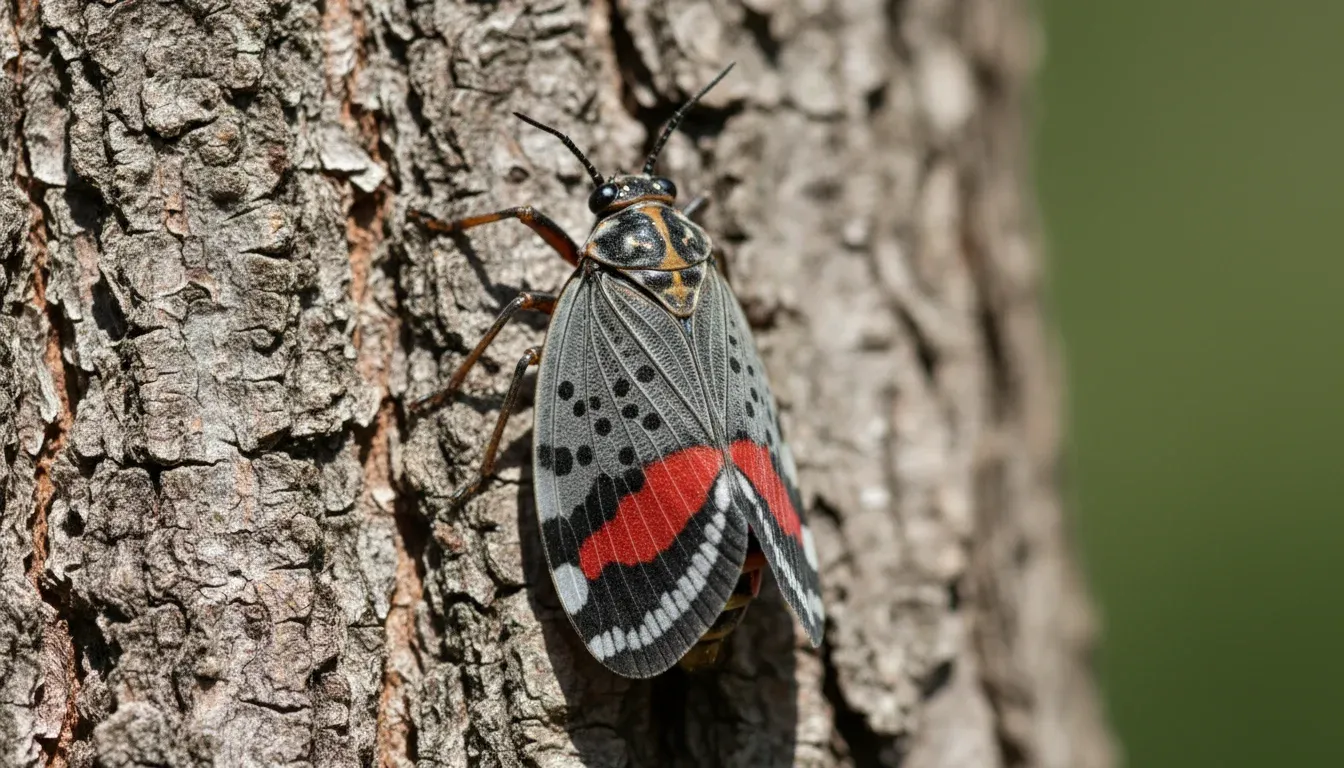
How to Get Rid of Spotted Lanternflies: 10 ways to stop lanternfly infestations
Spotted lanternflies are invasive pests that showed up in Pennsylvania in 2014 and have been spreading aggressively ever since. They feed on over 70 plant species, including grapevines, fruit trees, and hardwoods, leaving behind sticky honeydew that attracts mold and weakens plants. If you’ve got them on your property, you need to act fast because…