Garden & Wildlife
Take back your yard from weeds, plant pests, and backyard wildlife.
-
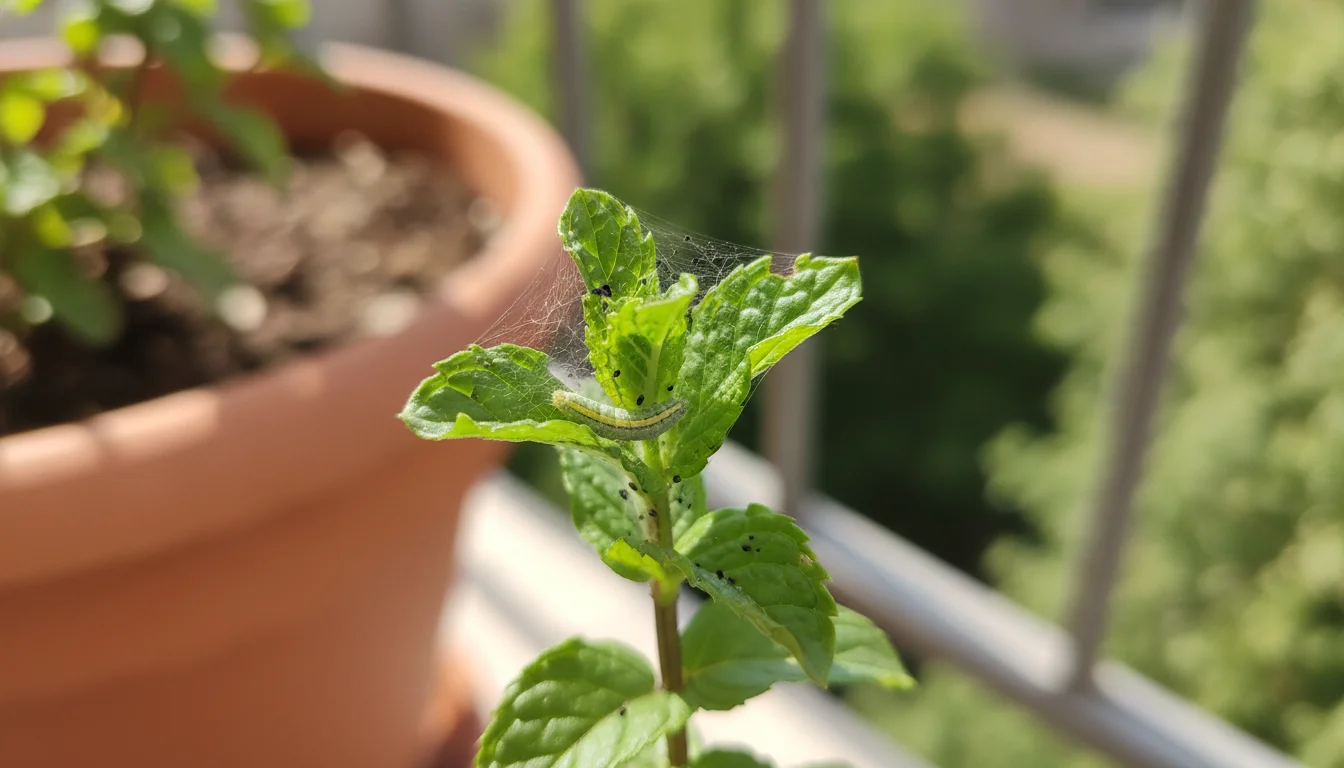
How to Get Rid of Caterpillars on Mint: 6 ways that work
Read More: How to Get Rid of Caterpillars on Mint: 6 ways that workMint shrugs off shade, drought and neglect, so finding it chewed, with the shoot tips tied up in fine silk, feels personal. It’s usually one of two things: mint moth caterpillars in those webbed tips, or green loopers chewing holes from the underside of older leaves. Both come off by hand, and mint answers a…
-
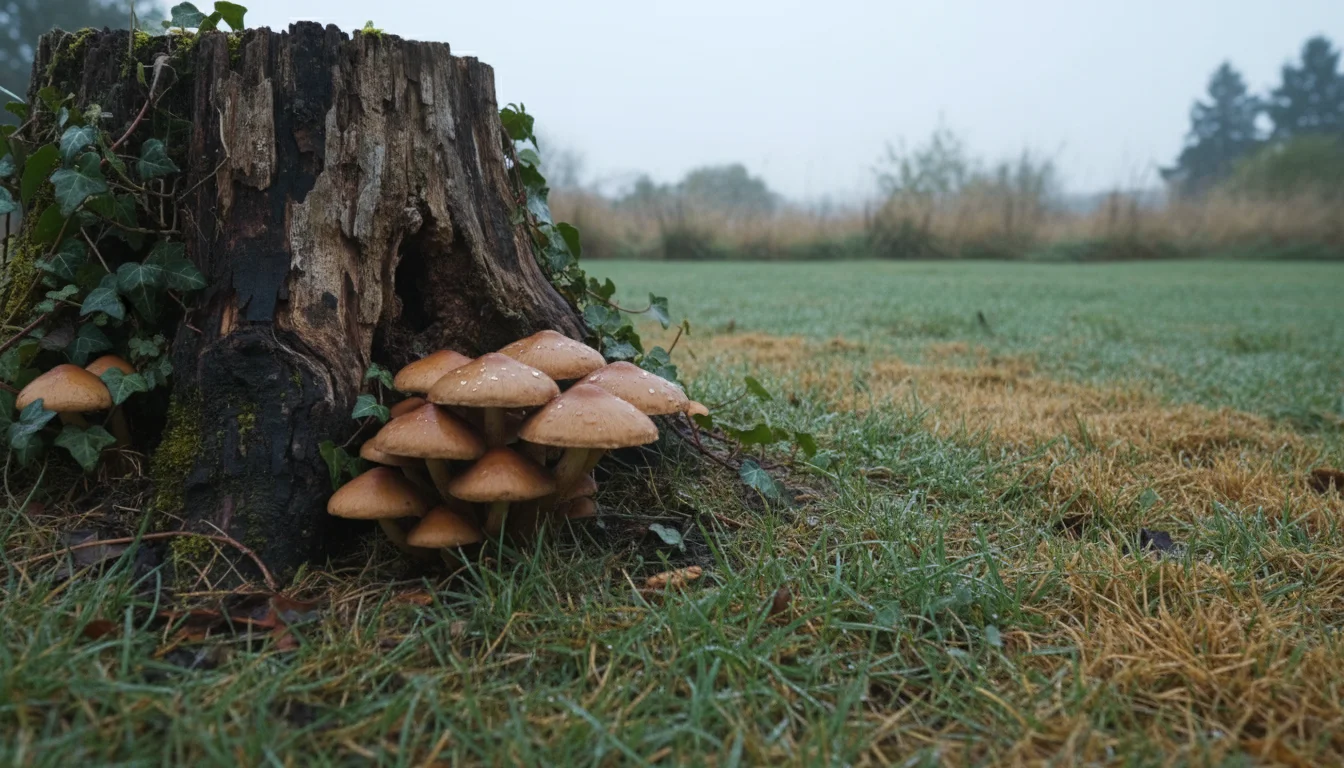
How to Get Rid of Mushrooms in Lawn: 7 ways to clear lawn fungi
Pulling mushrooms doesn’t fix anything. The fruiting bodies you see above ground are just the tip of it – the actual fungus is a network of mycelium running through the soil beneath. Pull the mushrooms and more appear within days. The only way to stop them is to remove what’s feeding them: moisture, shade, and…
-
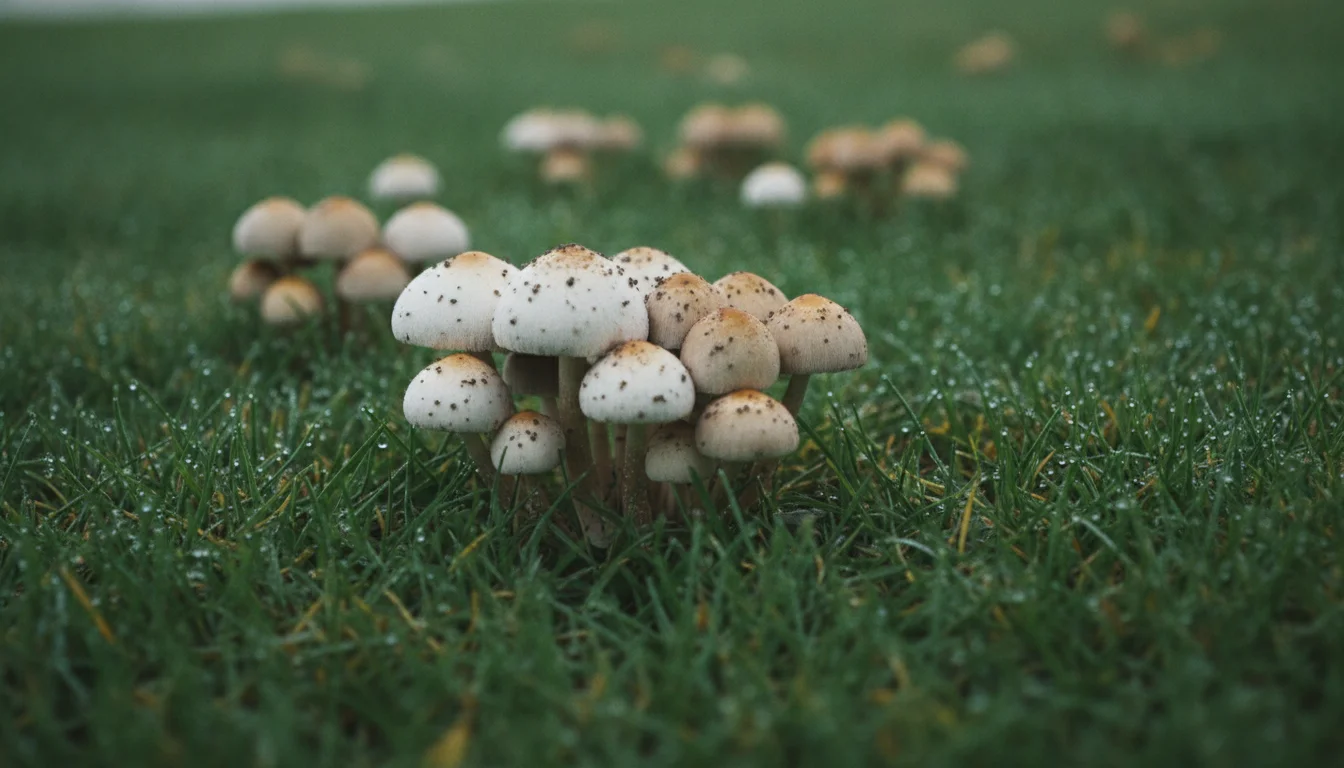
How to Get Rid of Mushrooms
Mushrooms in your lawn or yard? Here’s every method that actually works – from pulling them by hand to fixing the drainage problem underneath.
-
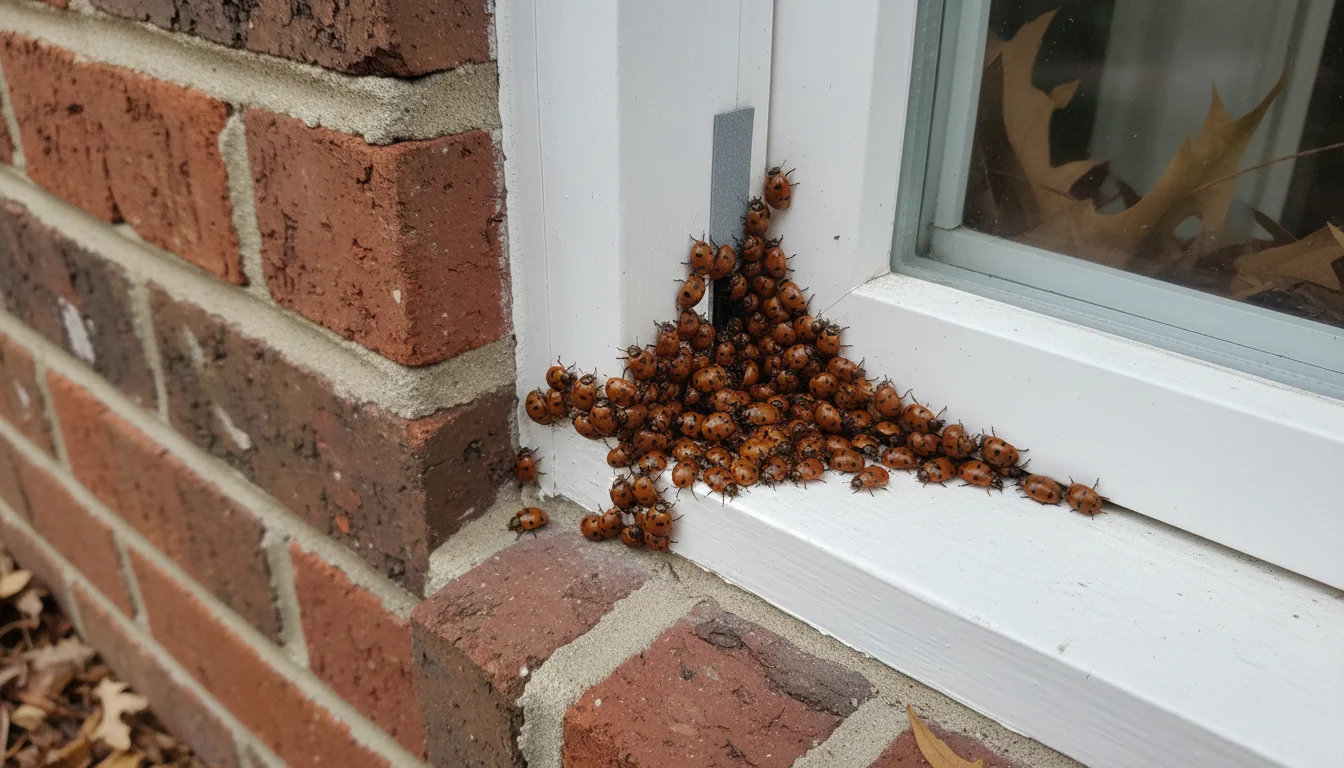
How to Get Rid of Ladybugs From Garden: 8 ways to reclaim your yard
Ladybugs in the garden are a sign of an aphid problem – they follow the food. That’s fine until fall, when they start hunting for overwintering spots and your house looks like an excellent candidate. The goal isn’t to eliminate them (they eat aphids and you want that), it’s to remove the conditions that make…
-
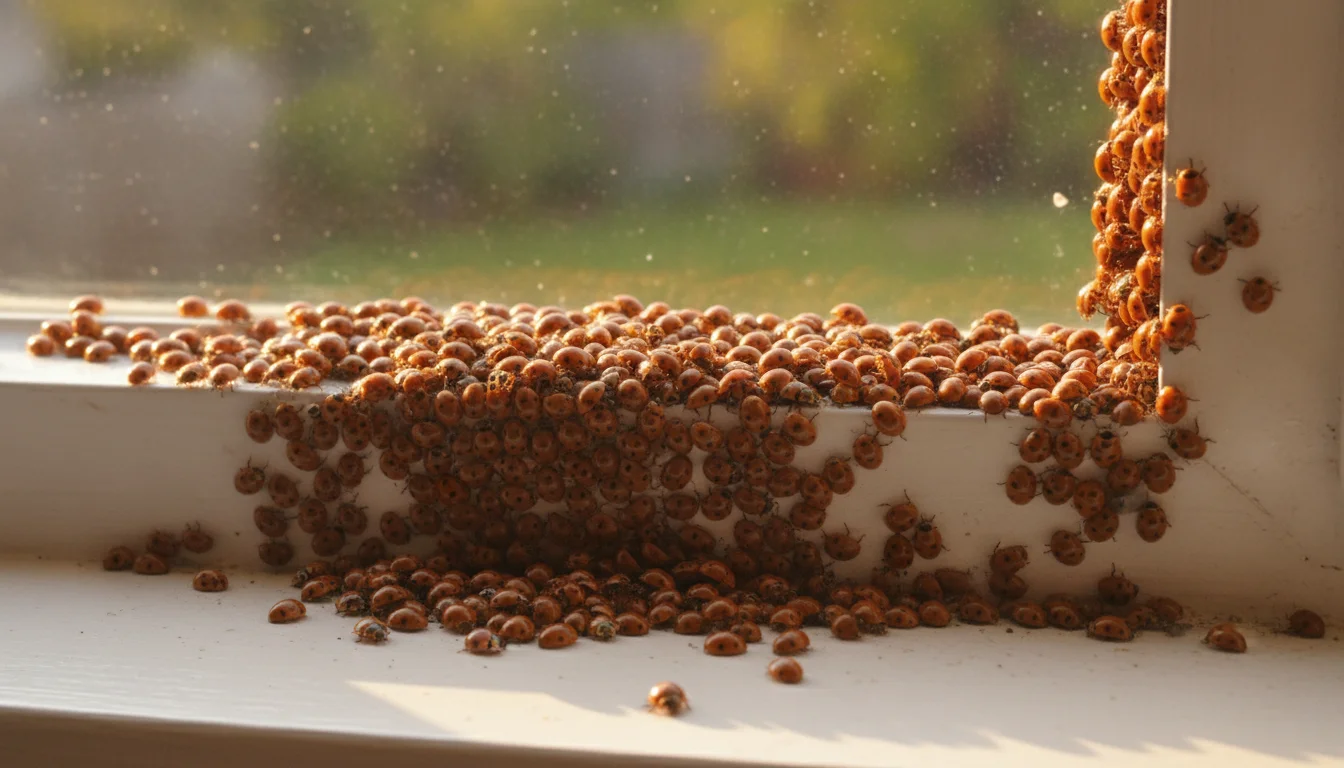
How to Get Rid of Ladybugs
Get rid of ladybugs from your home and garden with exclusion, vacuuming, repellents, and habitat management. What actually works and why.
-
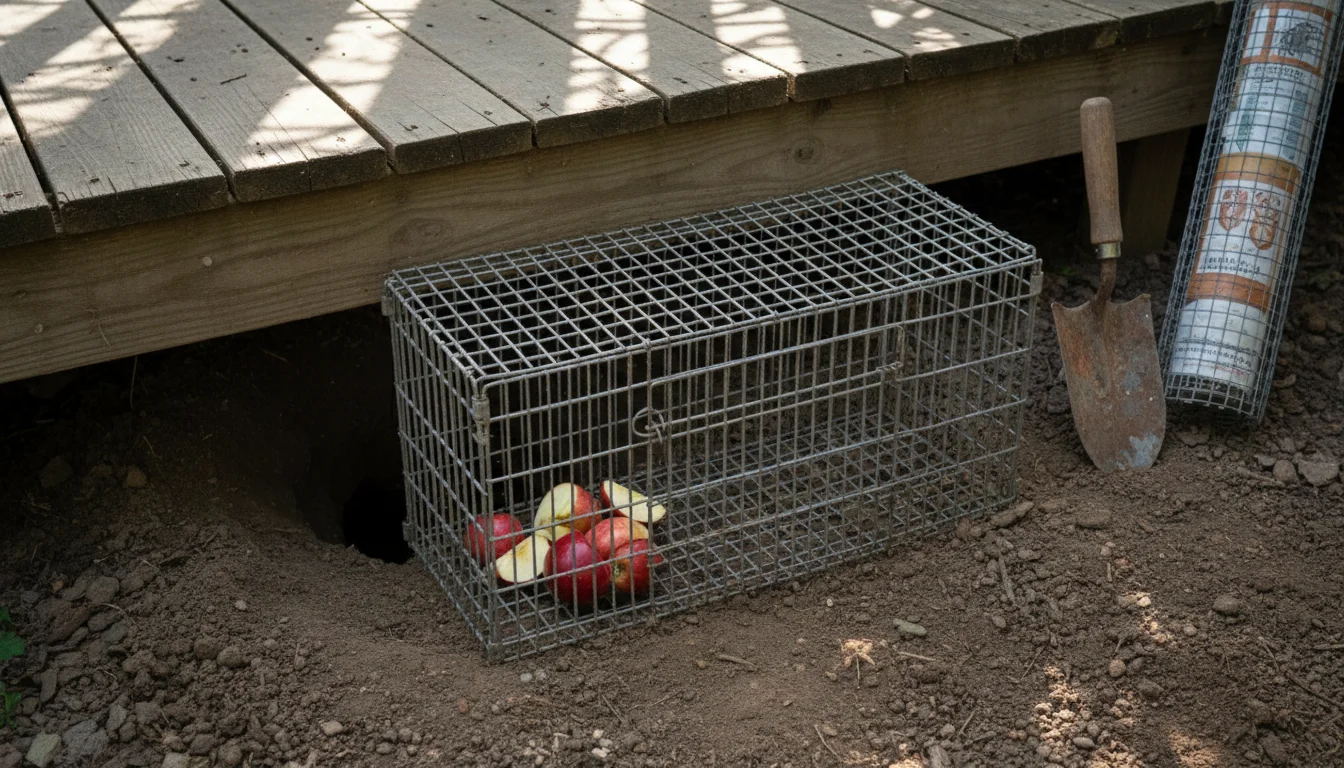
How to Get Rid of Groundhogs with Trapping And Removal: 7 trapping methods to remove groundhogs
When a groundhog has burrowed under your deck, torn up your garden beds, or started undermining your foundation, deterrents aren’t the answer anymore. You need to get it out. These methods range from DIY live trapping to professional wildlife control, and the right choice depends on your situation, your local laws, and how many groundhogs…
-
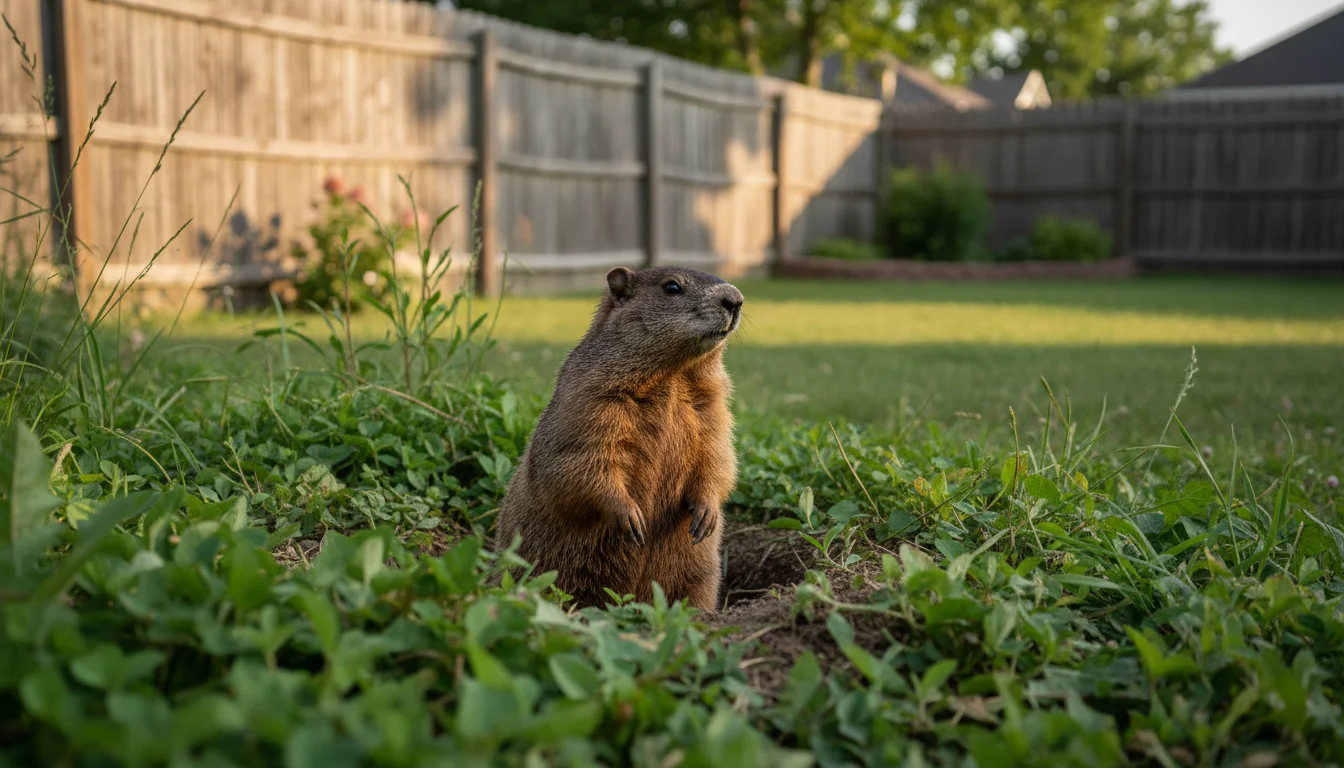
How to Get Rid of Groundhogs with Deterrents: 7 deterrents that keep groundhogs away
Deterrents are most useful before a groundhog has set up a permanent burrow. Once they’ve dug in under your deck and raised a litter, the deterrent window has passed – that’s a trapping and exclusion job. But if you’re seeing fresh digging or early damage, deterrents can convince a groundhog to move along to someone…
-
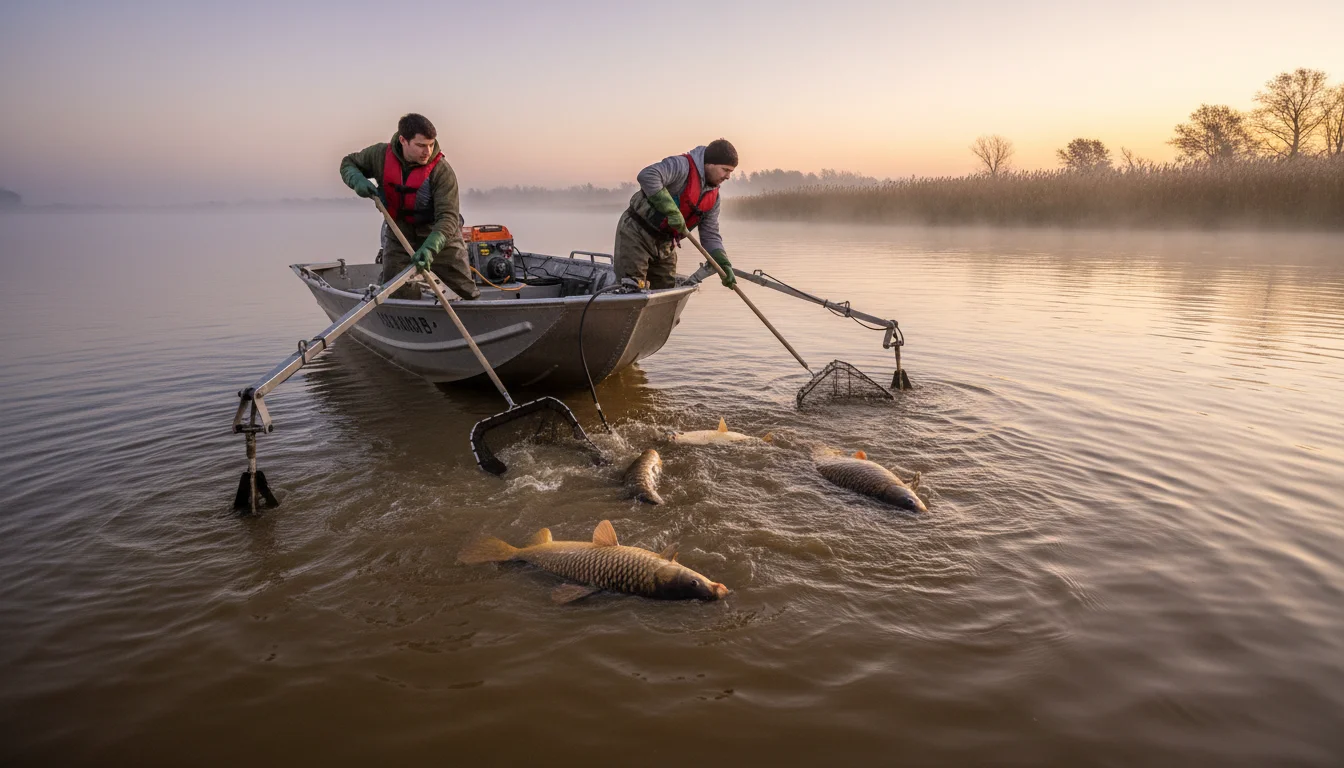
How to Get Rid of Carp with Mechanical Removal: 6 mechanical techniques to harvest carp
Carp populations don’t shrink on their own. They’re prolific breeders – a single female can release over a million eggs in a season – and they have no meaningful natural predators once they’re over about 12 inches. Mechanical removal is the only approach that actually reduces the biomass in the water rather than just inconveniencing…
-
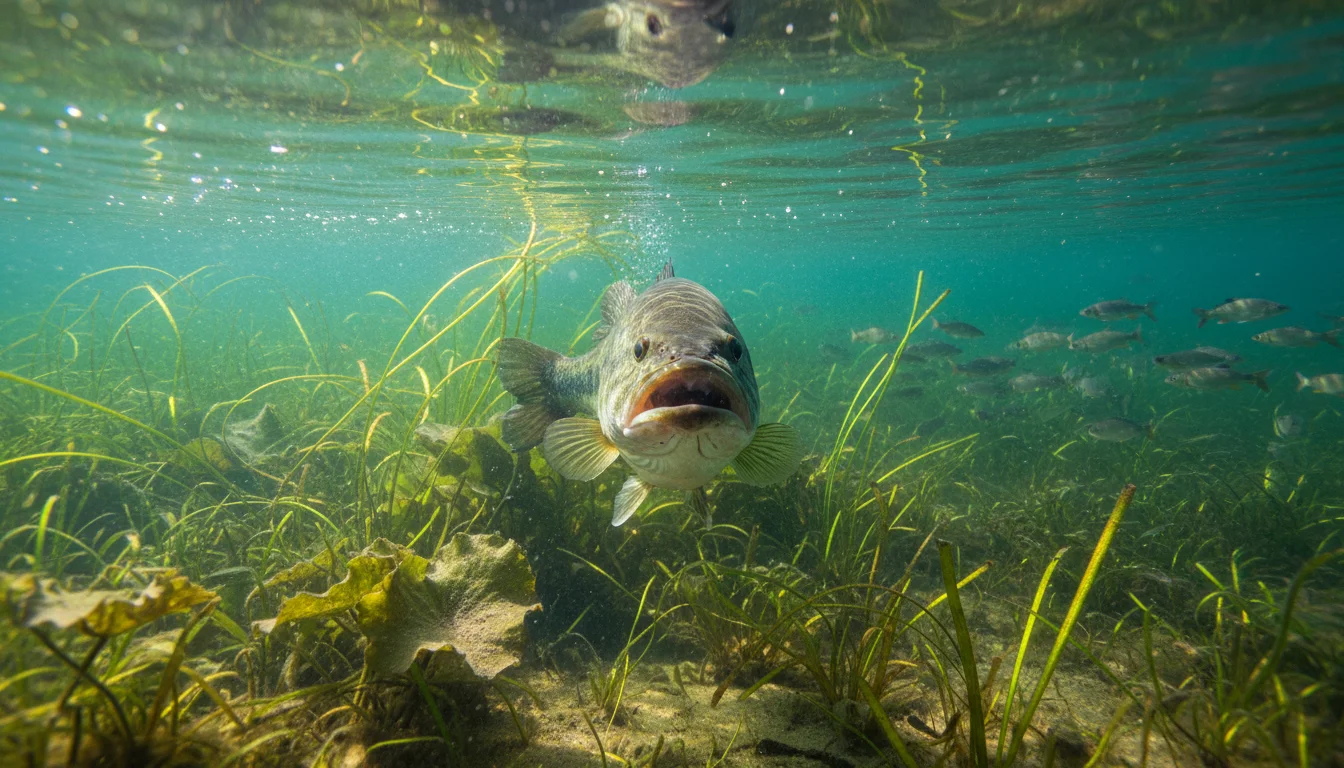
How to Get Rid of Carp with Biocontrol: 2 biocontrol agents that target carp
Biocontrol with predatory fish is a long-game strategy. Neither largemouth bass nor tiger muskies can eat a 10-pound adult carp. What they can do is intercept juvenile carp before those juveniles grow large enough to dominate the ecosystem. Used alongside initial adult removal through mechanical means, predator fish create a maintenance layer that suppresses carp…
-
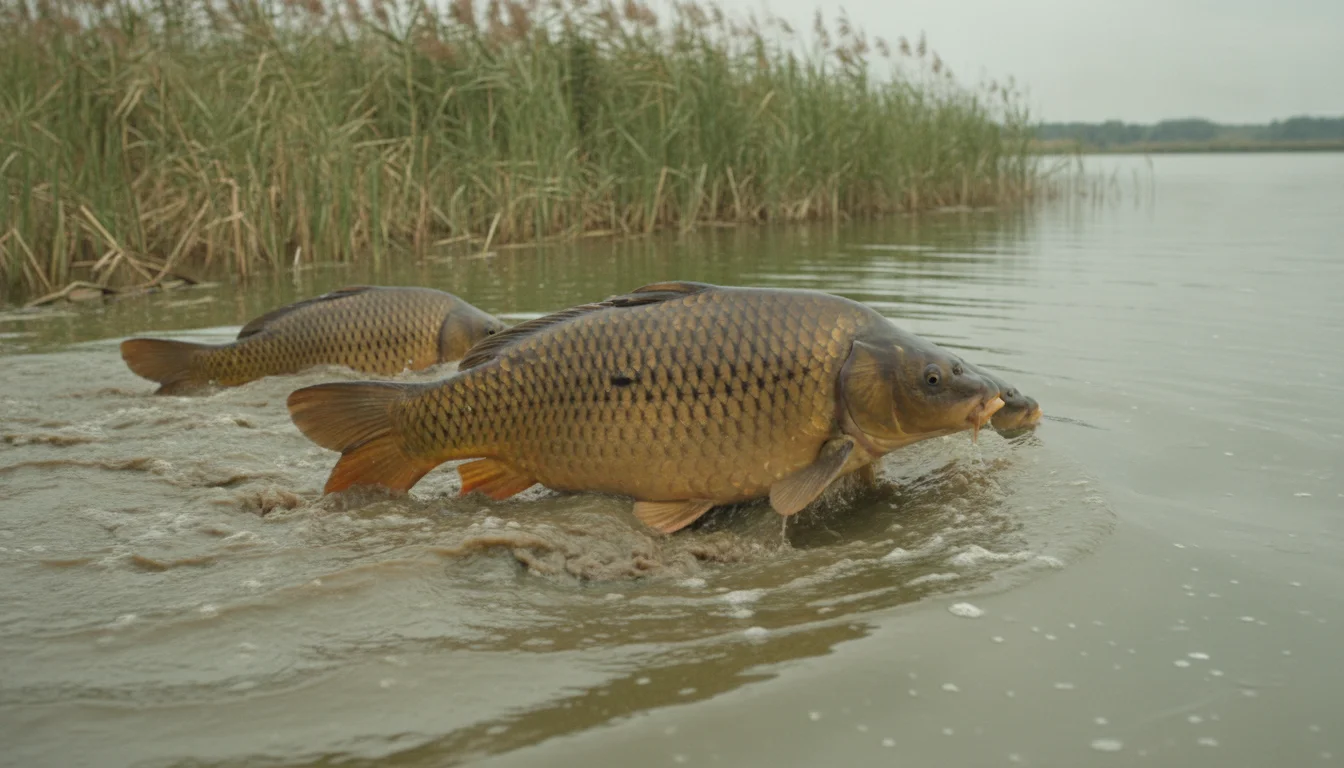
How to Get Rid of Carp
Carp destroying your lake’s ecosystem? Here’s the full toolkit – netting, drawdowns, biocontrol, and chemical treatment explained.