Table of Contents
Chiggers turn your yard into an itchy nightmare. These microscopic mites hide in tall grass, under shrubs, and anywhere moisture lingers – and their bites cause welts that itch for weeks. Most guides jump straight to sprays. But chemicals don’t fix the underlying conditions that keep bringing chiggers back. Fix the habitat, and you won’t need to spray.
1. Mow Your Lawn Weekly and Keep Grass Under 3 Inches
This is the single most effective thing you can do. Chiggers live close to the ground in tall grass where humidity stays high. Short grass exposes them to direct sunlight and dry air, which kills them fast.
Set your mower blade to 2-3 inches (5-8 cm). Shorter grass heats up faster in sunlight and holds less moisture. Pay extra attention to edges near wooded areas and fence lines – that’s where chiggers congregate. Bag the clippings instead of mulching them back. Sounds minor, but it removes chigger eggs and larvae from your yard entirely.
2. Trim Shrubs and Clear Dense Vegetation
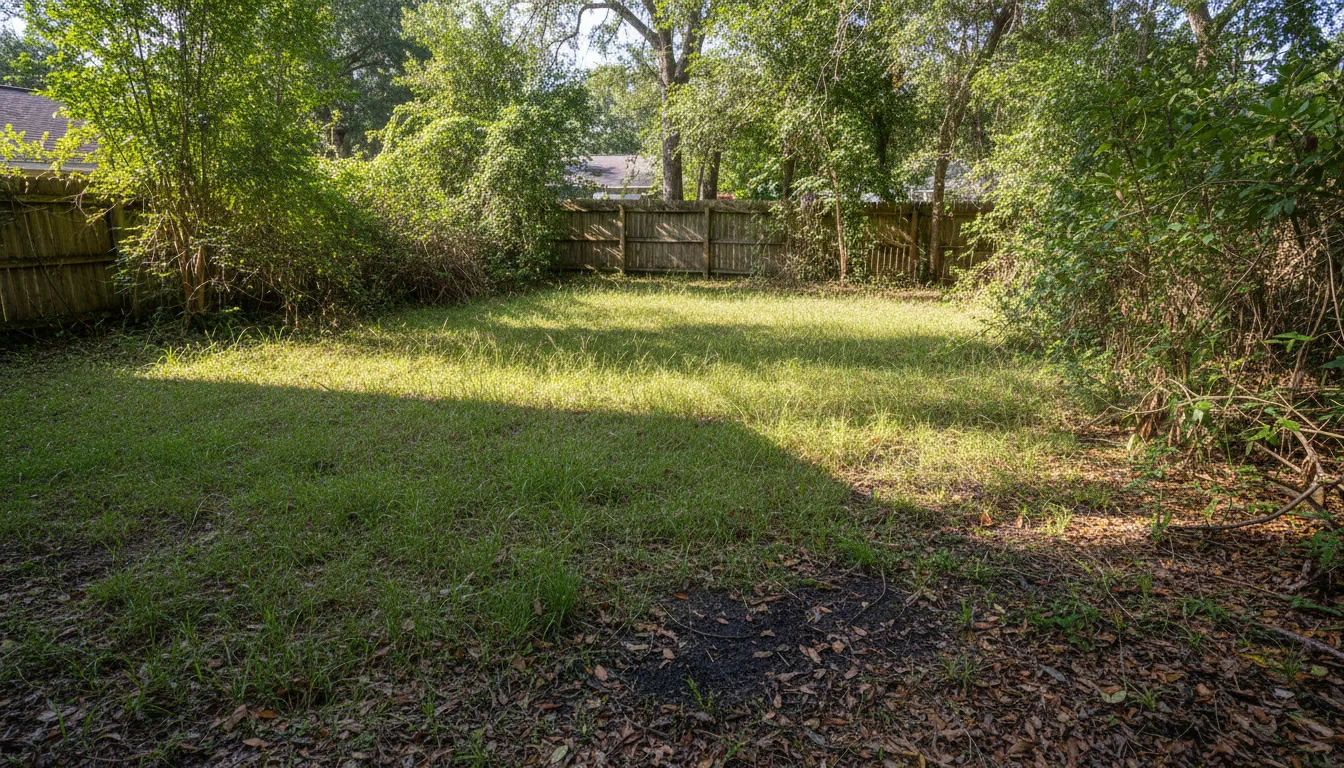
Chiggers thrive in shaded, humid spots under bushes and in overgrown flower beds. Thick vegetation blocks airflow and traps moisture. That’s exactly what they need.
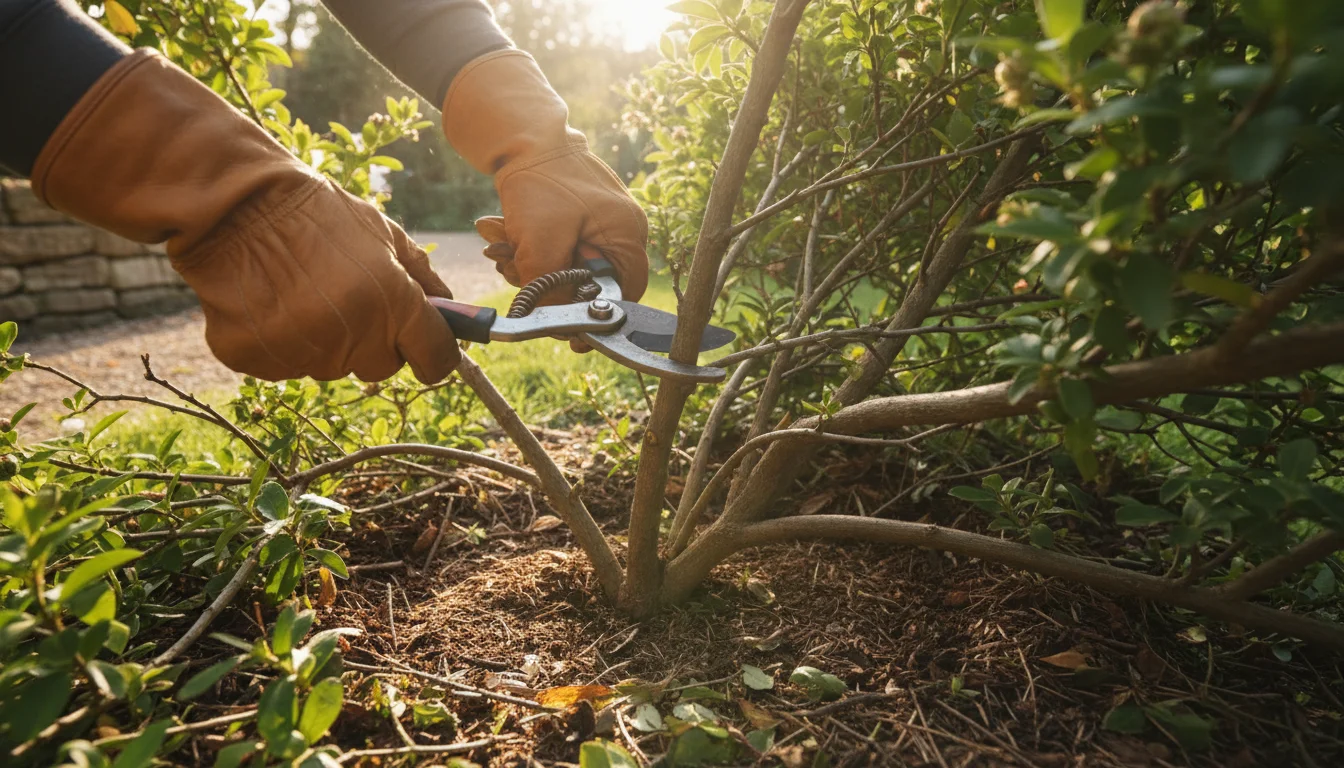
Remove lower branches from bushes to increase air circulation at ground level. Clear out overgrown ground cover and space remaining plants at least 12 inches (30 cm) apart. This lets sunlight reach the soil and dries out their hiding spots. Focus on areas near patios, playgrounds, and pathways – the spots where you actually spend time and can get bitten.
3. Remove Yard Debris and Leaf Litter
Piles of leaves, fallen branches, and grass clippings are essentially chigger condos. They stay damp underneath and provide exactly the humidity these mites need to survive.
Rake up leaves weekly during fall. Remove fallen branches, dead plants, and wood piles promptly. Don’t let grass clippings accumulate in thick layers. If you compost, keep bins at least 30 ft (9 m) from high-traffic areas – decomposing material is a chigger magnet. A clean yard forces them into the open where they can’t survive.
4. Fix Drainage Issues and Eliminate Standing Water
Poor drainage creates damp soil conditions that support large chigger populations. After rain, walk your yard and identify areas where water pools or soil stays soggy for more than a few hours.
Fix low spots by adding soil to create gentle slopes that direct water away. Install French drains or dry creek beds in chronic problem areas. Clean gutters and extend downspouts to dump water at least 6 ft (1.8 m) from your house. Cut back watering frequency – most lawns only need 1 inch (2.5 cm) of water per week. Water early morning so grass dries completely by nightfall.
5. Create Mulch Barrier Zones
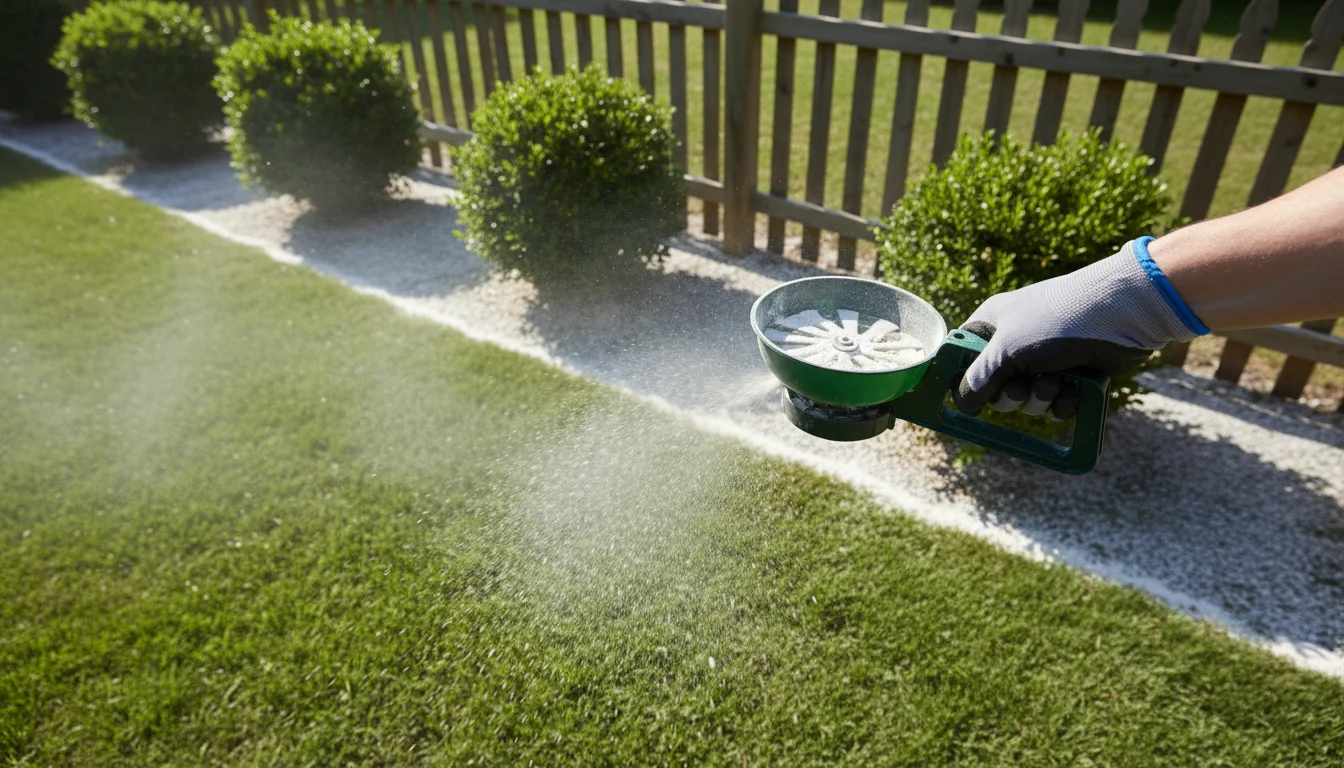
A wide strip of wood chip mulch blocks chiggers from traveling between infested areas and your main lawn. They avoid crossing dry, hot surfaces with no vegetation.
Install a 3-ft-wide (90 cm) band of cedar or hardwood mulch between wooded areas and your lawn. Create the same barrier around garden beds and along fence lines. Choose light-colored mulch – it reflects heat and stays drier than dark mulch. Replenish when it decomposes below 2 inches (5 cm) deep. Cedar has the added bonus of being mildly repellent to many insects.
6. Redesign Problem Zones with Gravel and Rocks
Some spots in your yard are lost causes for grass. Shady, perpetually damp areas under dense trees or along north-facing fence lines won’t dry out no matter what you do – and they’ll keep breeding chiggers through every treatment you throw at them. The right move is to stop fighting it.
Replace grass and mulch in these spots with a 3-inch (8 cm) layer of pea gravel, river rocks, or crushed stone. Add drought-tolerant plants that need minimal water. Gravel drains instantly, heats up in any available sunlight, and provides zero habitat for chiggers. It’s a one-time fix for areas where everything else keeps failing.
FAQ
Why is my yard infested with chiggers?
Chiggers thrive in overgrown, shaded, humid areas – tall grass, dense shrubs, leaf piles, and spots with poor drainage. They peak in summer warmth. If your yard has any of these conditions, that’s where they’re breeding.
What kills chiggers in the yard instantly?
Residual insecticide sprays containing bifenthrin, cyfluthrin, or permethrin knock down populations fastest. But they’ll come back if you don’t fix the underlying habitat conditions. The methods on this page eliminate the conditions that make your yard hospitable in the first place.
Does Dawn dish soap kill chiggers?
In dilute spray form it can kill chiggers on contact, but it doesn’t have residual effect and won’t address an infestation. Treat the habitat, not individual bugs.
How long do chiggers live in a yard?
The full life cycle runs about 2 months, but adult females can survive up to a year and produce multiple generations. One hot summer can mean several waves of chiggers unless you break the cycle by removing their habitat.