Table of Contents
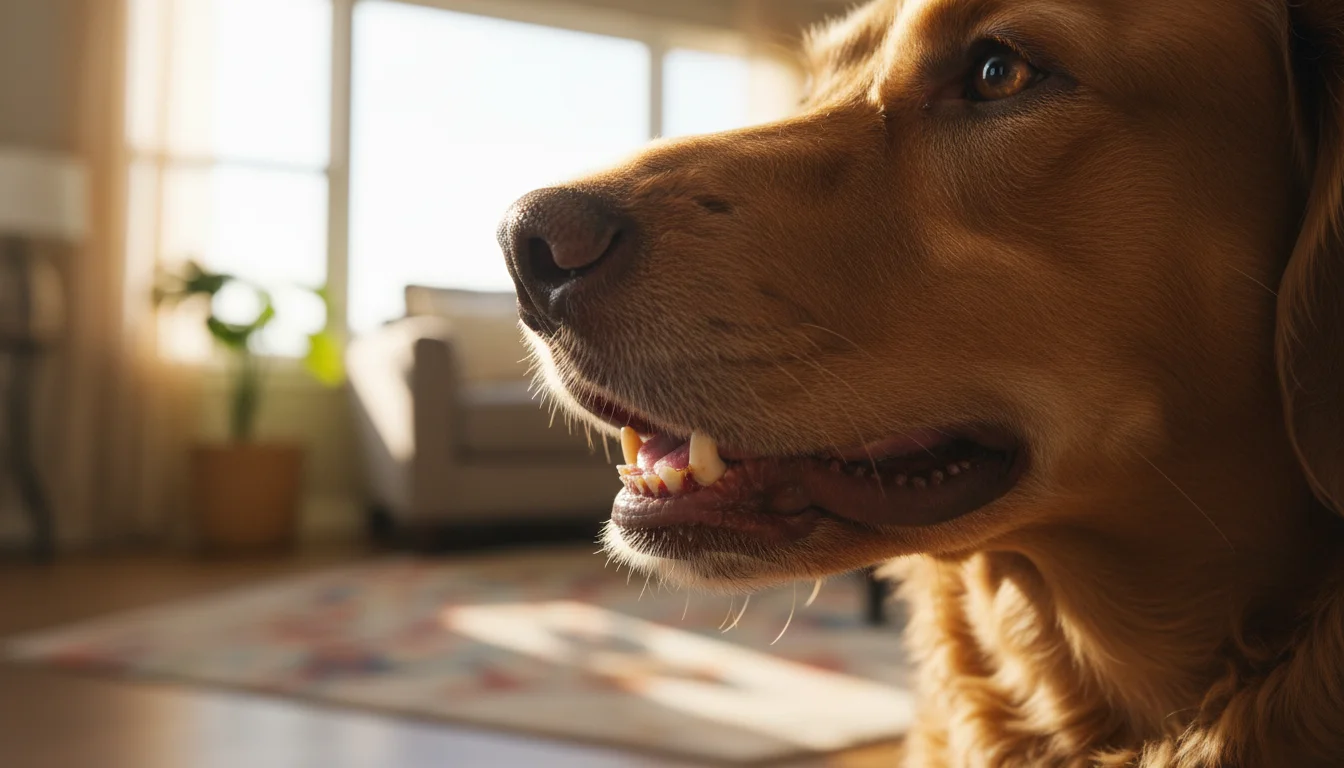
Your dog’s breath smells like death. You know it, your guests know it, and the dog could not care less as it pants in your face. A little doggy smell is normal, but bad dog breath that clears a room is almost always plaque and gum trouble building up in a mouth nobody cleans. Everyday plaque-breath you can get on top of at home, and the fixes are cheap. Breath that stays bad no matter what you do is a different thing: it is often the mouth, or the body, telling you something is wrong, so this is a smell to fix at the source, not cover up. One rule before you start: brushing is the foundation and everything else is a supplement. Chews and a dental diet help, but they work best stacked on top of a brush, not instead of one. Here is what shifts the smell, in the order that matters.
1. Brush Their Teeth
Yeah, it’s the obvious answer. But food gets stuck under their gums and on their teeth just like it does for you, and plaque drives the smell the same way it causes bad breath in people. Brush every day. Plaque starts hardening into tartar within about a day, so anything less than daily lets it set where a brush can no longer reach. Do it right before bed, after they are done eating for the day.
Get actual dog toothpaste and a dog toothbrush from the pet store. Don’t use your toothpaste. Human paste can contain xylitol, which is poisonous to dogs, and they will hate the taste anyway. If your dog fights the brush, build up to it: let them lick the paste off your finger for a few days, then off the brush, then run the brush along a few teeth at a time until a full scrub is boring rather than a battle.
2. Give Dental Chews
A daily dental chew scrapes plaque off the teeth while your dog does the work. The chewing action rubs the tooth surface much like a brush does.
Ignore the promises on the bag and look for the Veterinary Oral Health Council (VOHC) seal instead. That seal means the product was tested and shown to cut plaque or tartar, rather than just marketed that way. Pick a size that matches your dog so they chew it instead of gulping it whole, and skip cooked bones, which splinter. A chew is a supplement, not a swap for the brush, and nothing your dog gnaws will dissolve tartar once it has hardened.
3. Feed a Dental Diet
Here is the myth worth killing: ordinary dry kibble does not clean a dog’s teeth. Most standard kibble shatters on the first bite and does almost nothing at the gumline, and swapping wet food for dry makes little difference to the breath. What does help is a proper dental diet, kibble built with larger, fibrous pieces the tooth sinks into instead of crushing, so the food wipes the surface as the dog bites down.
Look for the VOHC seal here too, keep to a complete and balanced food, and ask your vet whether a dental diet suits your dog before you switch, especially if it has other health needs. Change food over a week or so, a little more of the new diet each day, so you don’t upset their stomach. Like a chew, it works alongside brushing, not instead of it.
4. Take Them to the Vet
Don’t treat the vet as the last resort after everything else has failed. Strong or persistent bad breath is often gum disease, a tooth infection or a problem deeper than the mouth, and those need diagnosing rather than guessing at. If the smell is bad, will not shift, or comes on alongside any other change in your dog, book the appointment. And once tartar has hardened onto the teeth, only a professional cleaning takes it off, so brushing and chews hold back the next lot but cannot undo what has already set.
What Causes Bad Dog Breath
The most common cause is periodontal disease: tartar, inflamed gums and the bacteria that thrive on both. That is the plaque story, and it is what the steps above target.
Breath can also point past the mouth. Kidney disease, liver disease and diabetes can all show up on a dog’s breath, and a fishy diet just smells fishy. The exact smell is not something to diagnose at home, so treat a strong or unusual odor as a reason to get the dog checked, not to guess the organ. If the smell is coming off your dog’s whole body rather than the mouth, that is a different problem; see how to get rid of dog odor. And if it is the room that has taken on the smell rather than the dog, deal with the pet smell in the house on its own.
When to See a Vet
Book an appointment if the breath is unusually strong, changes suddenly, or comes with pain, drooling, a dropped appetite or low energy. Bad breath is not normal, even in an old dog, and a sudden shift is the mouth or body telling you something is wrong. When in doubt, let the vet look before you spend another month on chews.