Table of Contents
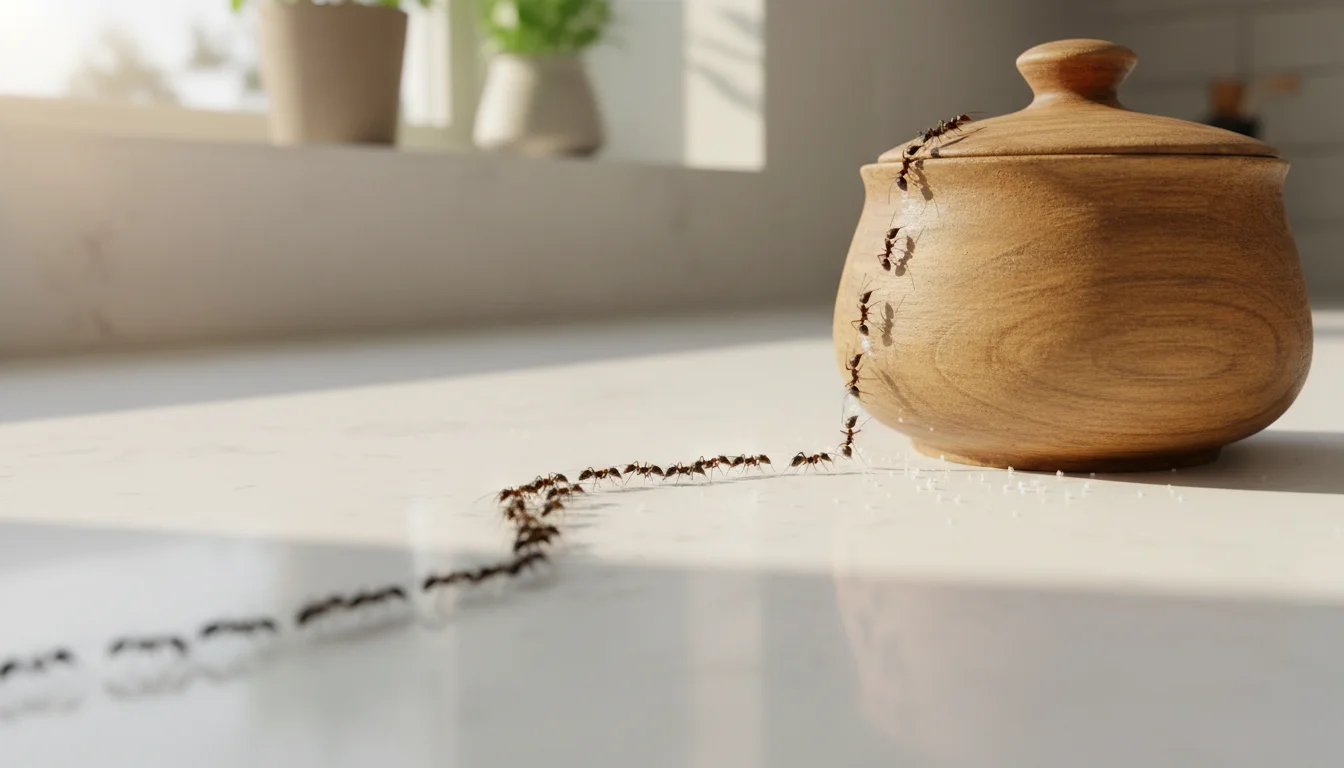
The ant trail on your counter is the symptom, not the problem. The ants you can see are a few dozen foragers out of a colony that might run to thousands, tucked into a wall void, under the slab, or out in the yard. Wipe them up and more arrive within the hour, because the nest is still sending scouts. So the whole game is getting poison back to that nest through the workers, not squashing the ones in plain sight. Getting rid of ants in house comes down to one idea, and almost everything below serves it: kill the colony, then close the door behind it.
1. Identify the Ant Species
Figure out what you’re dealing with before you buy anything, because the wrong bait is money set on fire. Odorous house ants and pavement ants take standard sweet baits. Carpenter ants tunnel into damp structural wood and often need protein baits and a look at ants in walls and foundation. Pharaoh ants are the nightmare case: spray them and the colony splits into several, which makes a bad problem worse.
Catch one in a sealed bag and compare it against a photo guide, or send a close-up to your county extension service. It takes ten minutes and saves you three weeks of baiting the wrong thing.
2. Deploy Bait Stations and Gel
This is the one that actually works, so start here. Bait is the DIY approach that reaches the colony instead of just the foragers you happen to see. Workers carry the poisoned food home and feed it to the larvae and the queen, and the whole nest can collapse from the inside. An ordinary surface spray does the opposite: it kills the ants in plain sight while the nest, tucked in a wall void or out in the yard, keeps sending more. A professional can sometimes treat a nest directly, but for a homeowner bait is the tool that gets poison to a colony you can’t see.
Set gel or liquid stations right on the active trails and at entry points, not in some tidy corner where no ant goes. Terro liquid and Advion gel are the two most people have luck with, often clearing a trail within about 48 hours. Do not spray anything near the bait. If you kill the foragers before they carry poison home, you’ve broken the only mechanism that matters.
3. Try a Different Bait if They Ignore the First
Ants switch appetites by species and season, sugar one month, protein and grease the next. If a bait sits untouched for two or three days, the ants aren’t stupid, they just aren’t hungry for that. Swap it. Put out a sweet gel and a protein bait side by side and watch which one grows a trail within an hour.
Advion has a trick going for it: the active ingredient turns toxic only after the ant eats it, so they can’t taste the danger and learn to avoid it, the way they eventually dodge some liquid baits.
4. Wait It Out
Baiting tests your patience more than your technique. For the first few days you’ll see more ants, not fewer, sometimes a lot more. That’s the bait working, more workers getting recruited to a food find and hauling it back to the nest. It looks like failure and it’s the opposite.
Do not spray them. Do not move the stations around. Every time you kill the visible foragers mid-cycle you set the whole process back. You’ll often see fewer ants in 5 to 10 days, but complete control can take several weeks or more, depending on the bait and the species, so give it time and leave it alone. If activity is still climbing or unchanged after a couple of weeks, treat that as a signal the bait type is wrong (back to method 3) or the nest is somewhere the bait can’t reach, not proof the job is finished.
5. Make a DIY Boric Acid Bait
Cheap, and it works on sugar-feeding ants, but the concentration is the whole game. Dissolve 1/2 teaspoon of boric acid in 1 cup (240 ml) of warm water with about 6 tablespoons of sugar. That puts the boric acid at roughly 0.5 to 1 percent, the range UC IPM says is weak enough that workers carry it back to the nest before it kills them. Go stronger and you backfire: a prepackaged 5.4 percent bait kills the foragers on the spot, before they ever reach the colony. Soak a few cotton balls in the solution and set them on bottle caps where you’ve seen ants. If you’d rather not measure, an EPA-registered liquid ant bait used exactly to its label does the same job.
Keep it well out of reach of children and pets, boric acid is harmful if swallowed, and don’t clean up the crowd it draws. Refresh the cotton balls every few days until the trail dies.
6. Seal Cracks and Entry Points
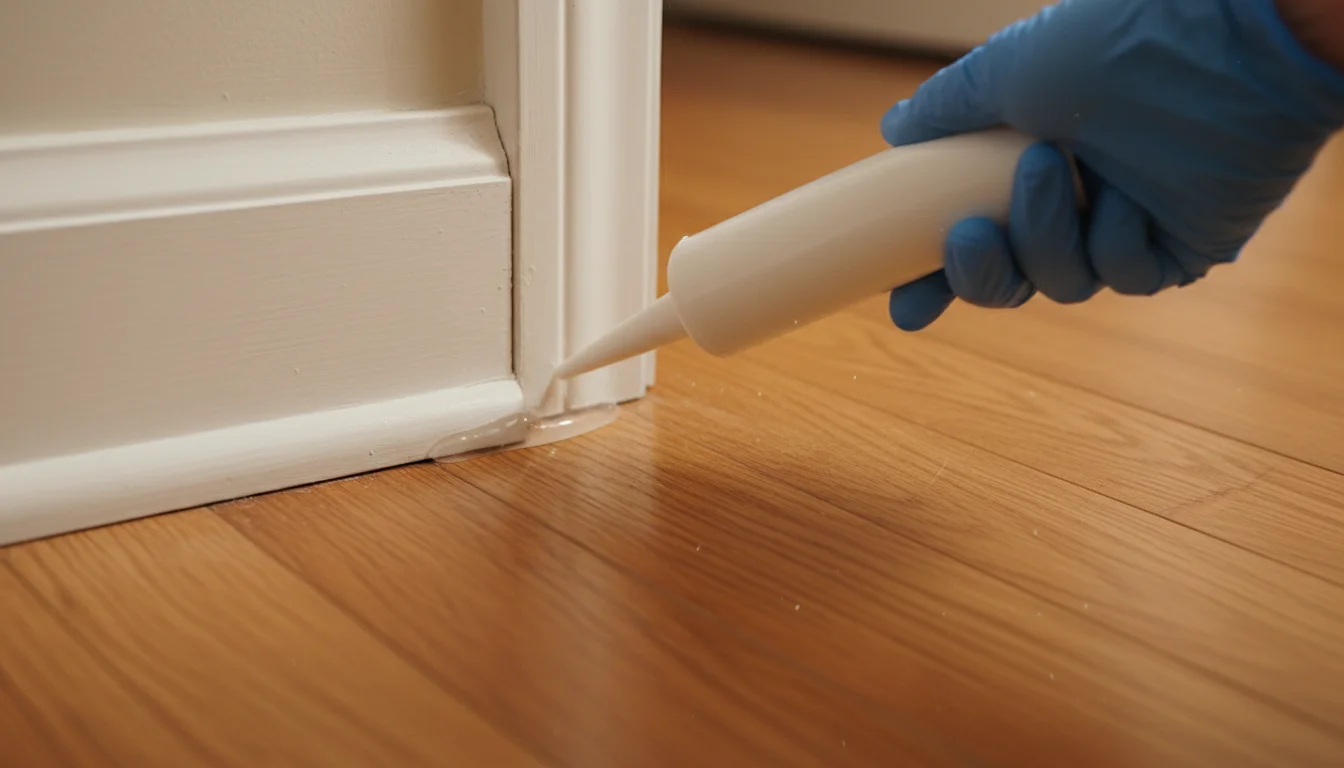
Ants get through gaps you can barely see. Once the colony is dying back, walk the foundation, door frames, window sills, and the spots where pipes and wires pass through the wall, and seal them. Silicone caulk for fixed gaps, weatherstripping for doors, expanding foam for the big holes (then cap the foam with caulk, because ants tunnel straight through bare foam).
One honest warning: sealing alone won’t clear an active infestation. People caulk every baseboard in the house and still get swarmed, because the nest is already inside. Seal after you’ve baited, not instead.
7. Fix Leaks and Kill Moisture
Ants need water as much as food, and damp wood is what carpenter ants move into. Fix dripping faucets, repair pipe leaks, and deal with condensation around the house that pools near walls. Check under sinks and behind the toilet for the soft, dark wood that says a slow leak has been feeding them for months.
A basement dehumidifier helps. So does making sure outdoor spigots drain fully. If the ants show up mainly in the bathroom, bet on a nest in the wall cavity by the plumbing.
8. Seal Food and Wipe Up Spills
You’re running a buffet and don’t know it. A spilled teaspoon of sugar behind the toaster feeds a colony for weeks. Move flour, sugar, cereal, and pet kibble into sealed containers, wipe crumbs and grease off counters daily, and don’t leave dirty dishes overnight. If you keep finding ants in the kitchen, that’s usually where the food source is.
Pet bowls are the big miss. Pick them up between meals, or stand them in a shallow tray of soapy water so ants can’t reach the food across it.
9. Wipe Trails with Vinegar
Ants navigate by pheromone trails they lay down between nest and food. A 50/50 mix of white vinegar and water wipes those trails out, and the scouts lose the thread. Spray the trails and entry points, then wipe.
Be clear about what this does and doesn’t do: it erases the map, it does not kill the colony. Use it alongside baiting to cut the recruitment traffic while the poison does the real work, not as your only move.
10. Lay Down Diatomaceous Earth
Diatomaceous earth is fossilized algae ground to a powder with microscopic edges that shred an insect’s shell and dry it out. For indoor ant use, buy a product that is EPA-registered as a pesticide, not a food-grade or garden grade sold for other purposes, and apply it only where and how the label tells you. Lay a thin line across thresholds, along baseboards, and behind appliances. It’s a physical barrier rather than a poison, so ants don’t dodge it the way they can learn to avoid a bait.
Two catches. It stops working the moment it gets wet, so reapply after mopping. And it isn’t harmless just because it’s a powder: it irritates skin and eyes on contact and the nose and airways if you breathe it, so wear a dust mask, keep it off spots children and pets can reach, and follow the label’s exposure precautions. Skip the folk-barrier powders like cinnamon while you’re at it, ants just detour an inch around them.
11. Cut Back Vegetation and Clear the Perimeter
Outdoor colonies use your landscaping as a bridge. Branches touching the roof or siding are a direct on-ramp, so trim anything within about 4 feet (1.2 m) of the house. Keep shrubs off the foundation with a visible gap for airflow.
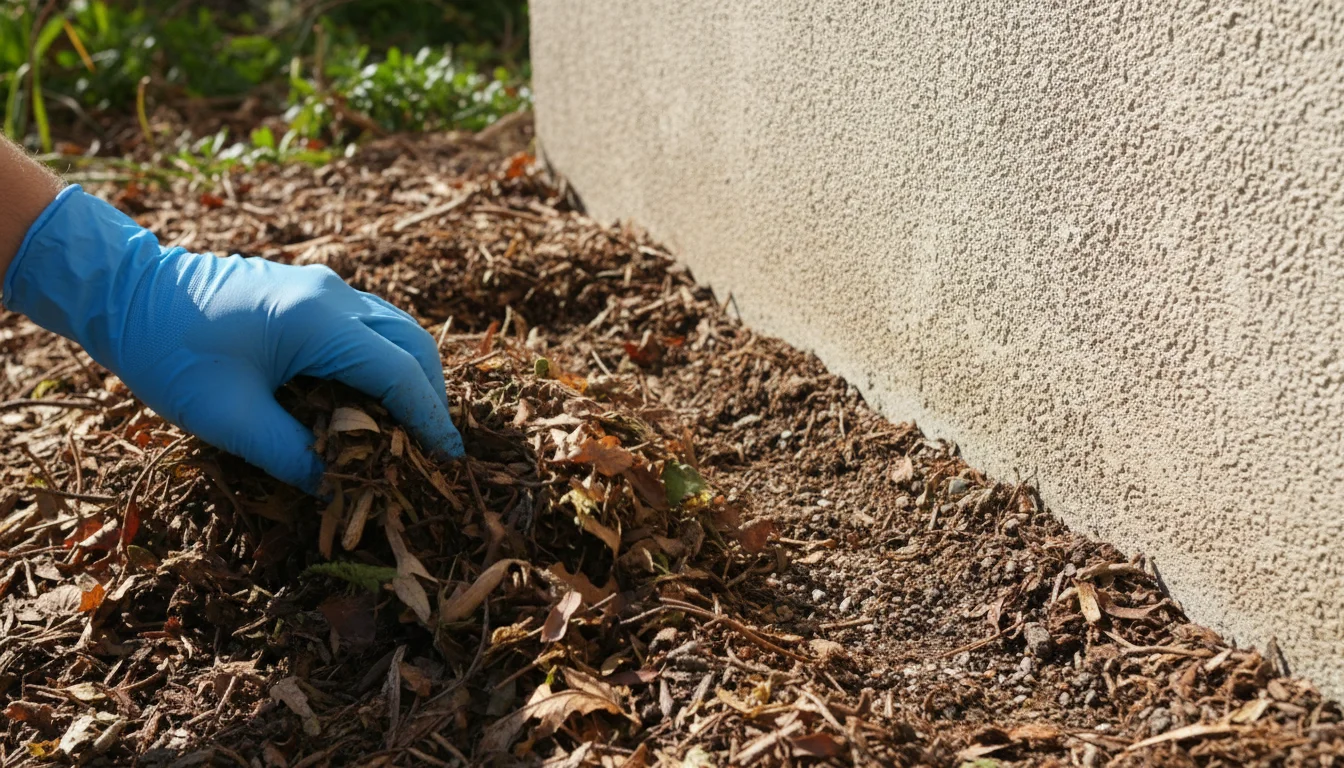
Pull wood mulch back into a bare 12-inch (30 cm) strip against the foundation, because it holds the moisture and nesting cover ants want, and stack firewood well away from the wall. If the trouble traces back to ant hills in the yard, that’s the source colony and worth treating directly.
12. Call a Pro
If you’ve baited, sealed, and cleaned for six weeks and the trails keep coming, the nest is either unreachable or it’s a species that laughs at retail bait. That’s the point to call someone. Pros carry stronger products, can treat wall voids with dust or foam, and identify what you’re fighting.
Carpenter ants in structural wood usually need drilling and injection that’s past any DIY kit, and pharaoh ants need coordinated baiting across the whole building. Expect roughly $150 to $400 for an initial treatment, often with a 90-day warranty. If it’s severe or it’s costing you sleep, that’s money well spent.
What Attracts Ants Indoors
Ants come in for two things: food and water. A warm, humid kitchen with crumbs on the floor and a dripping tap is everything a colony wants, which is why summer heat and dry spells push them indoors to find it. Entry is easy, they’ll use a hairline gap around a pipe, a worn door sweep, or a branch resting on the roof. And once scouts find a reliable source, they lay a pheromone trail that turns a lucky find into a marching column. That’s the whole reason the fixes come in pairs: kill the colony with bait, then take away the food, water, and doorways that invited it in.
Ants in House FAQ
How long does it take to get rid of ants in the house?
With the right bait you’ll often see thinner trails within a few days and fewer ants in 5 to 10 days, but complete control can take several weeks or more, depending on the product and the species. Expect a busier-looking few days at the start, and don’t judge it too early.
Why are there more ants after I put out bait?
Because it’s working. Workers recruit more foragers to a rich food source and haul it back to the nest, so activity spikes before it crashes. Don’t spray the crowd, that just kills the couriers before they poison the queen.
What actually kills the whole ant colony?
Slow-acting bait, carried home by workers and fed to the queen and larvae, is the DIY approach that reaches the nest. Ordinary surface sprays and squashing only take out the foragers you see and leave the nest intact to send more. A professional can sometimes treat a nest directly, but for most homeowners bait is the way to get poison to a colony you can’t reach.
Do vinegar and cinnamon really get rid of ants?
Vinegar genuinely erases the scent trails, so it’s useful for disrupting traffic, but it doesn’t kill the colony. Cinnamon and other barrier powders are unreliable, ants usually just walk around them.
Why do ants keep coming back?
Either the nest was never killed (you sprayed instead of baited) or a new colony found the same food and water. Bait to clear it, then seal entry points and cut the food and moisture so the next scout finds nothing worth reporting.