Table of Contents
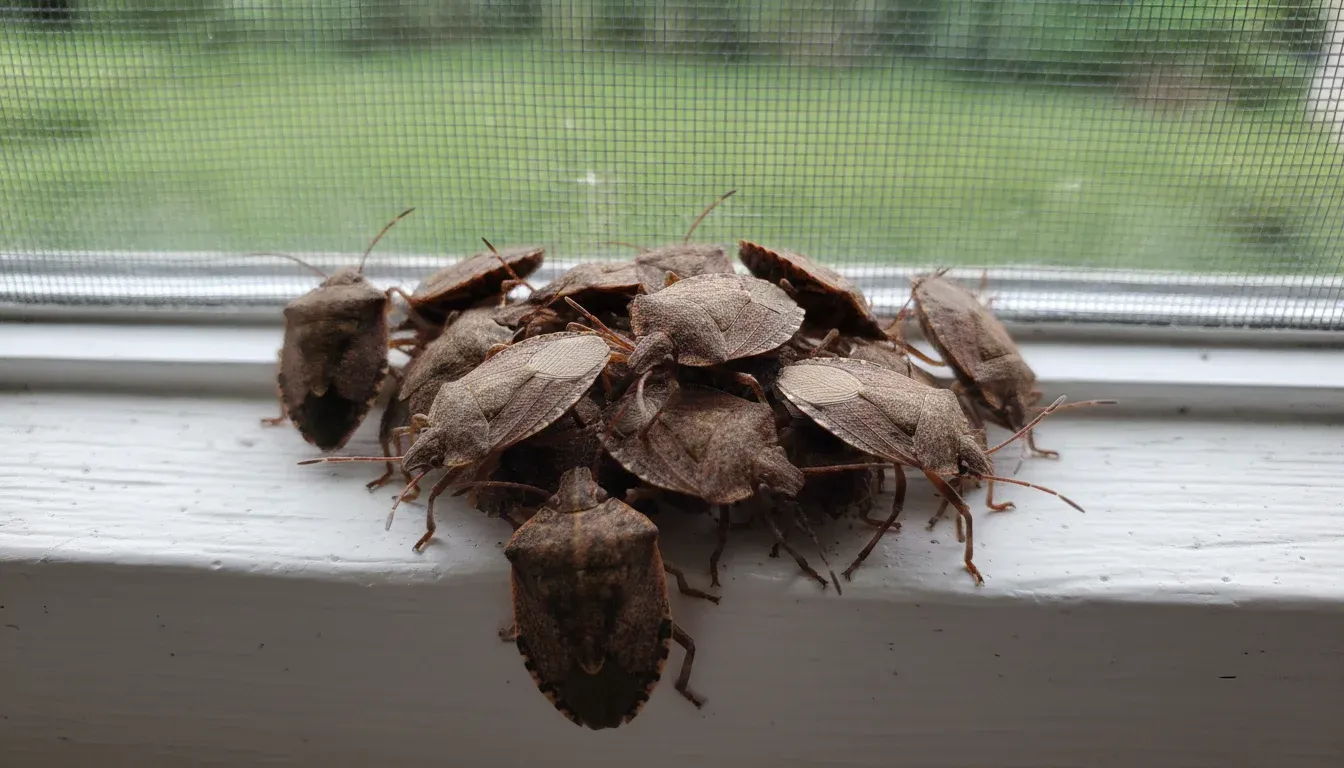
Stink bugs have one real defense, and it’s chemical: startle one, crush one, or vacuum it the wrong way, and you get the smell. It won’t hurt you, your pets, or your house, and the odor fades on its own – but it’s the kind of thing that makes people swat first and regret it. Here is the part most guides bury: nearly all of stink bug control is mechanical. Seal the gaps they crawl through, lift the ones already inside without setting them off, and keep the garden from turning into a nursery. None of it is clever. It just means knowing which moves trigger the smell and which don’t.
Seal Stink Bugs Out
The only control that actually lasts is keeping them out. Stink bugs come indoors in fall, hunting a warm place to wait out winter. Shut the door on that and the indoor problem never starts.
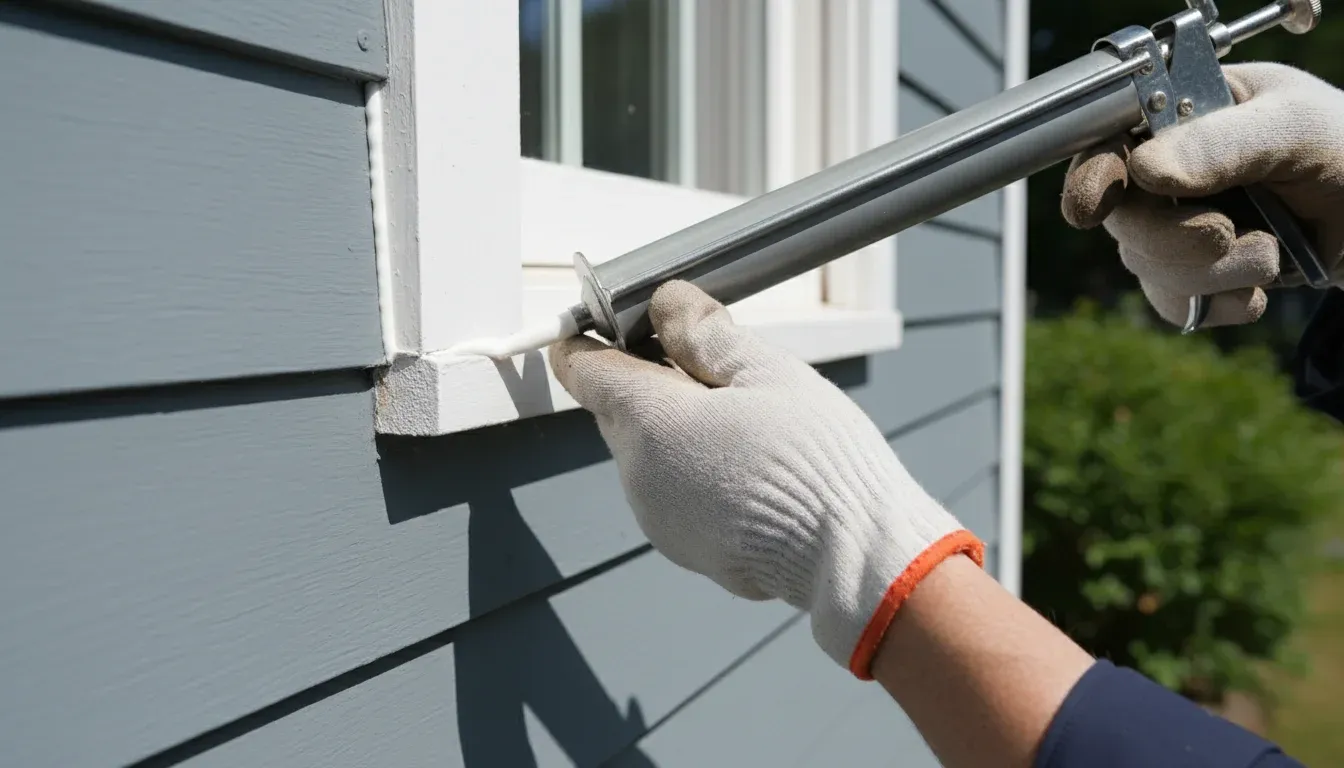
Sealing is the whole game. They slip in through gaps around windows, doors, pipes, siding, chimneys, and utility lines, and they get through openings smaller than you would guess. Caulk the static gaps; use foam for the larger, ragged ones. Give the most attention to warm, sun-facing walls, where they gather before they push inside.
Screens and weather stripping are the other half. A torn screen or a worn door sweep is an open invitation, and small tears are enough to matter. These are ten-minute fixes, and they earn their keep during the fall migration.
Get Them Out Indoors
The trouble with a stink bug indoors is that you can’t just grab it. Crush it and you get the smell. Rattle it and you get the smell. The whole trick is moving it out without tripping that defense.
The reliable method is soapy water: hold a container of it under the bug and nudge it in. The soap breaks the surface tension so the bug sinks and drowns, and because you never crush it, you skip the odor that crushing sets off. It works as well for one bug on a curtain as for a dozen on a windowsill.
Vacuuming clears a crowd fast, with one catch: the smell transfers to the machine. Use a shop vac with soapy water in the tank, or accept a vacuum that reeks for a while, and empty it outside the moment you are done. That odor is temporary, but you don’t want it curing inside the canister.
Light Traps and Lighting
Stink bugs move toward light, and that cuts both ways.
Turned against them, it makes a simple trap: fill a shallow pan with water and a few drops of dish soap, aim a lamp at it in an otherwise dark room, and the bugs drawn to the light drop in and drown. It is the same drowning trick as the soapy-water scoop, run overnight without you.
Turned the other way, indoor and outdoor light is what pulls them to the walls in the first place, where they find the gaps to crawl through. Kill the outdoor lights you don’t need, and shut the blinds at night so indoor light stops spilling out. Less glow on the walls, fewer bugs testing them.
Sprays, and Why They Underwhelm
This is where most guides oversell. Sprays are a weak tool against stink bugs: insecticidal soap only does much against young nymphs, and the adults shrug off even harsh insecticides. Reaching for a bottle indoors mostly wastes it. Lean on exclusion and physical removal instead. If you are fighting them on garden plants and want to weigh what is worth spraying, the garden guide below lays it out.
Manage the Garden
Stink bugs don’t start at your window. They build up on garden plants first – tomatoes, peppers, beans, fruit trees – and then move toward the house. Thin them outside and you take pressure off everything indoors.
Egg masses are the highest-value target. Stink bugs lay clusters of roughly 20 to 30 eggs on the undersides of leaves; they are easy to spot once you know to flip a leaf, and scraping them off before they hatch removes a whole generation at once.
Clearing weeds takes away the early-season habitat and food that hold stink bugs before they reach your crops. Picking up fallen fruit and overripe produce removes more of what keeps them lingering. Neither job is glamorous, but both cut the supply line.
Where It Shows Up
Stink bugs hit every part of the home and garden differently. How to get rid of stink bugs with exclusion goes deep on sealing, screens, weather stripping, and the lighting that drives fall migration indoors. How to get rid of stink bugs with removal covers everything for the ones already inside: traps, vacuuming, and safe hands-on removal. And how to get rid of stink bugs in the garden takes on the outdoor population with egg removal, habitat management, and a straight read on which sprays are worth it.
Corrections
- 2026-09-17: An earlier version called the odor “persistent.” The smell is temporary and fades on its own, and the odor a vacuum picks up passes too. Corrected.
- 2026-09-17: Removed the home pesticide recipes – neem oil, diatomaceous earth, garlic spray, and a dish-soap “kills on contact” spray – along with the botanical insecticide PyGanic offered for serious infestations. None carried the product-specific label directions, rates, or safety precautions a pesticide use needs, and the “kills on contact” and repellency claims were unsupported.
- 2026-09-17: Dropped the claim that organic treatments “work without chemical residues.” Neem and pyrethrin products are pesticides with label precautions; organic approval does not mean residue-free.
- 2026-09-17: Replaced the funnel-and-LED trap and its peak-season population claim with the source-backed version: a light aimed at a pan of soapy water.