Table of Contents
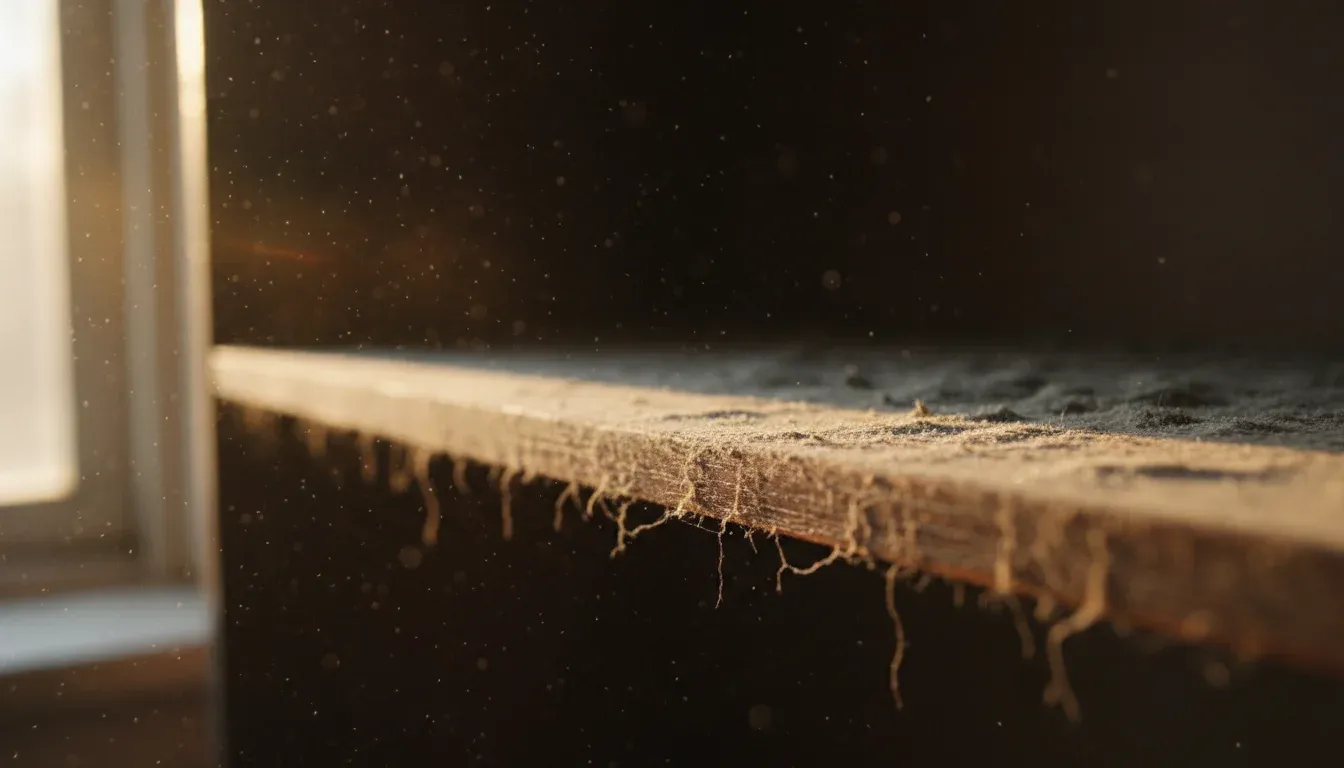
Dust is mostly dead skin cells, fabric fibers, pollen, and whatever your shoes drag in. You can’t stop it forming. But you can cut how fast it builds up – and that’s the part most people get backwards. They focus on better cleaning when the real win is reducing the source load. Fix that first, then clean what’s left.
1. Implement a No-Shoes Policy
This single change cuts household dust by half. Shoes track in dirt, pollen, pesticides, and whatever’s on the street. Leave them at the door and you stop importing dust before it starts.
Set up a shoe rack near the entrance. Keep house shoes or slippers inside for immediate swap. Guests follow your lead if you make it obvious where shoes go. Feels awkward for about a week, then it’s just what you do. Your floors stay genuinely clean for days instead of hours.
2. Use Microfiber Cloths for Dusting
Feather dusters and dry rags push dust off surfaces and into the air. It floats around, then settles somewhere else. Microfiber cloths trap it. The tiny fibers create static that pulls particles into the cloth instead of redistributing them.
Use them slightly damp – wet enough to grab dust, dry enough not to streak. When one cloth gets saturated, switch to a fresh one. Wash them in the machine when you’re done. They outperform any disposable duster and last years.
When you do a dusting pass, work top to bottom: ceiling fans and high shelves first, furniture next, baseboards last. Dust falls. Don’t clean the same surface twice.
3. Declutter Surfaces
Every object on a shelf or countertop is a landing pad for dust. The more things you have sitting out, the more surface area you’re maintaining. Minimize it.
Store things in drawers and cabinets. If it doesn’t need to be accessible and it’s not decorative, it doesn’t need to be on display. A clear countertop takes thirty seconds to wipe. A countertop covered in stuff takes ten minutes and you still miss half of it.
4. Minimize Wall-to-Wall Carpeting
Carpets are dust reservoirs. Particles settle deep in the fibers where vacuums can’t fully reach them, and every footstep releases a small cloud back into the air. Hard flooring doesn’t do this – dust sits on the surface where you can actually remove it.
If you’ve got wall-to-wall carpet you can’t change, vacuum twice a week minimum with a HEPA-filter machine. If you’re renovating, hardwood, laminate, or tile in high-traffic areas is worth the upgrade. Area rugs are better than wall-to-wall because you can take them outside and beat the dust out properly.
5. Change Bedding Weekly
You shed dead skin cells all night. Those cells feed dust mites and become part of the household dust load. Your bed also collects airborne particles throughout the day while you’re not in it.
Wash sheets in hot water – it kills dust mites that wouldn’t survive a cold cycle. Don’t forget pillowcases. Your face is against one for eight hours a night. Shake out pillows and duvets outdoors when you can. The bedroom is where most people generate the most dust, and also where they spend the most time breathing it.
6. Groom Pets Outdoors
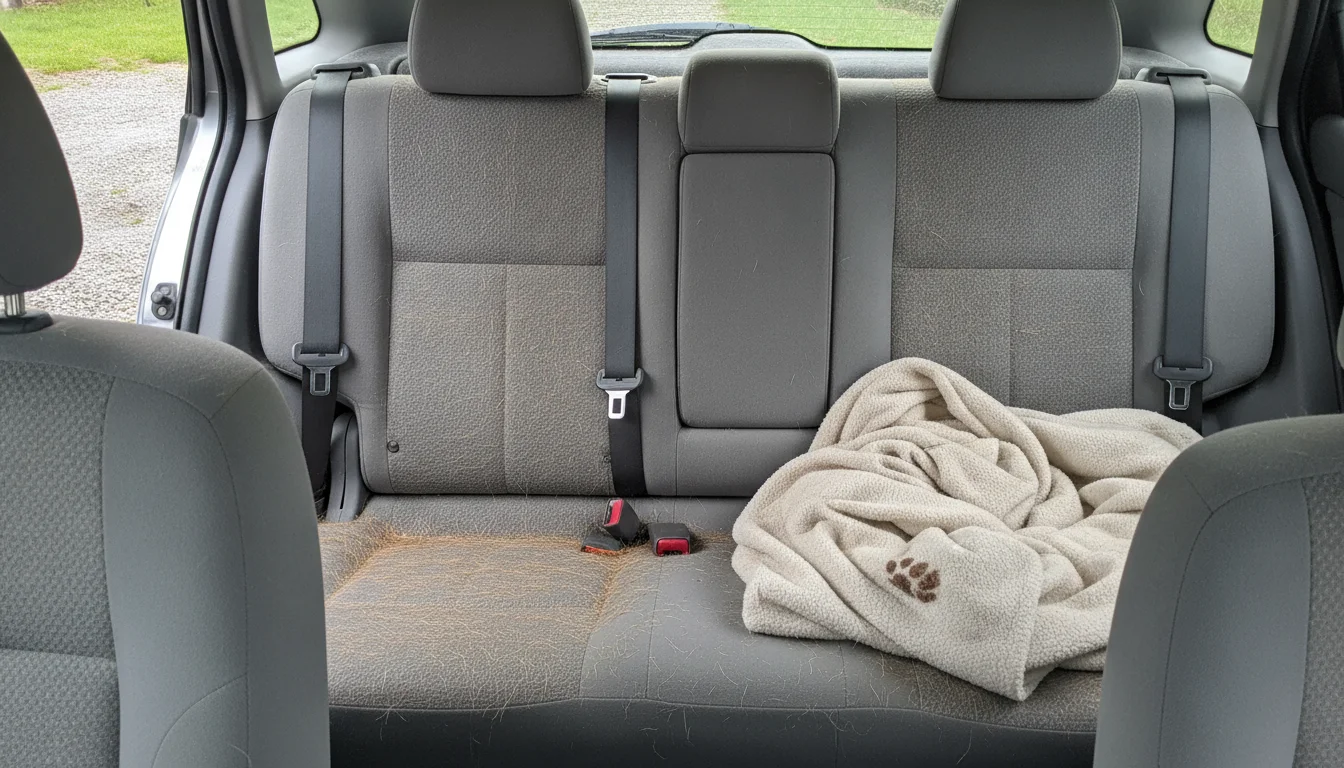
Pet dander is a major dust component. Brush dogs and cats outside whenever weather allows. Doing it indoors releases loose hair and skin flakes directly into the air circulation.
For unavoidable indoor grooming, use a bathroom where you can easily clean up afterward. Wash pet bedding weekly – it accumulates dander, hair, and outdoor debris the same way yours does. The difference in airborne particles is noticeable within a few weeks of making this change.
7. Place Mats at Every Entryway
Mats are a second layer after the no-shoes policy, catching debris from people who don’t comply or from brief outdoor trips. Put a rough-textured mat outside each door to scrape soles, and a softer mat inside to catch whatever makes it past the first one.
Shake them out or vacuum them weekly. Once a mat is saturated with dirt, it stops trapping anything new and just becomes a dust source itself. Replace or deep-clean when they stop doing their job.
8. Mop Hard Floors Instead of Sweeping
Sweeping pushes dust into the air and around the room. Mopping captures it. Use a damp (not soaking wet) microfiber mop head and the dust sticks instead of scattering.
Work from the farthest corner toward the door so you’re not walking back over clean floor. Rinse the mop head often in a bucket of clean water. Dry microfiber mopping works fine for daily maintenance. For actual dust removal, damp mopping once a week is what gets the floor genuinely clean.
9. Vacuum Furniture Regularly
Upholstered furniture traps dust the same way carpet does. Vacuum couches, armchairs, and fabric headboards weekly using the upholstery attachment. The crevices where cushions meet frames collect the most.
Leather and vinyl furniture are meaningfully easier to keep dust-free – a damp cloth wipe handles it in under a minute. If you’re buying new, it’s worth considering. For what you’ve already got, regular vacuuming is the only option.
10. Dust Electronics with Dryer Sheets
Screens and plastic casings attract dust electrostatically. Wipe them with a regular cloth and the static charge pulls fresh dust right back. A dryer sheet’s anti-static coating breaks this cycle.
Wipe gently – don’t press hard on screens. The dust comes off easily and the anti-static treatment keeps the surface cleaner longer. Works on plastic blinds and fan blades too, which are basically just dust magnets that nobody ever thinks about.
11. Clean Lampshades with Lint Rollers
Fabric lampshades are one of those surfaces that accumulates dust visibly but has no obvious cleaning method. Wiping smears. Vacuuming with a brush attachment helps but misses a lot. A lint roller works properly.
Roll it over the shade working top to bottom. For pleated shades, press into the folds. Peel off sheets as they fill up. Two minutes and the shade looks clean again. Keep a roller specifically in your cleaning supplies for this – it’s the right tool for the job and nothing else is.
Dust management is mostly habit, not product. The right tools and a consistent routine cut the load enough that cleaning stops feeling like a treadmill you can never get off.