Table of Contents
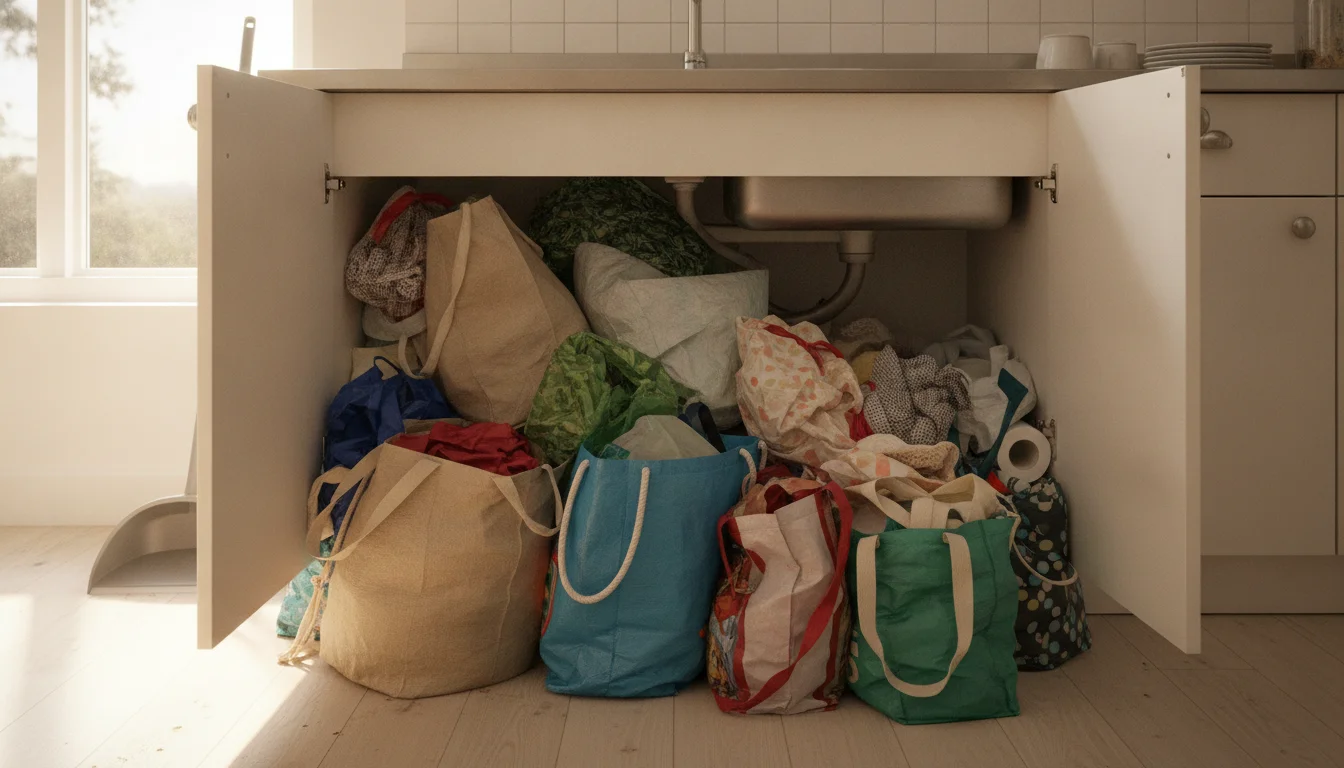
Reusable totes were supposed to cut down on bags. Then they multiplied. Freebies from events, giveaways at the checkout, the spare you bought because you forgot yours again, and suddenly there’s a wad of them wedged under the sink and stuffed in a corner of the basement. The good part of how to get rid of reusable bags is that the stash itself is not an environmental crisis. The footprint of a pile of unused totes is small. It’s just household clutter, and clutter has a fix. Get down to a set you’ll actually use, then send the rest somewhere that wants them instead of letting them breed in a drawer. Each type of bag has its own exit, and one of them is not the curbside bin.
1. Pare Down to What You Use
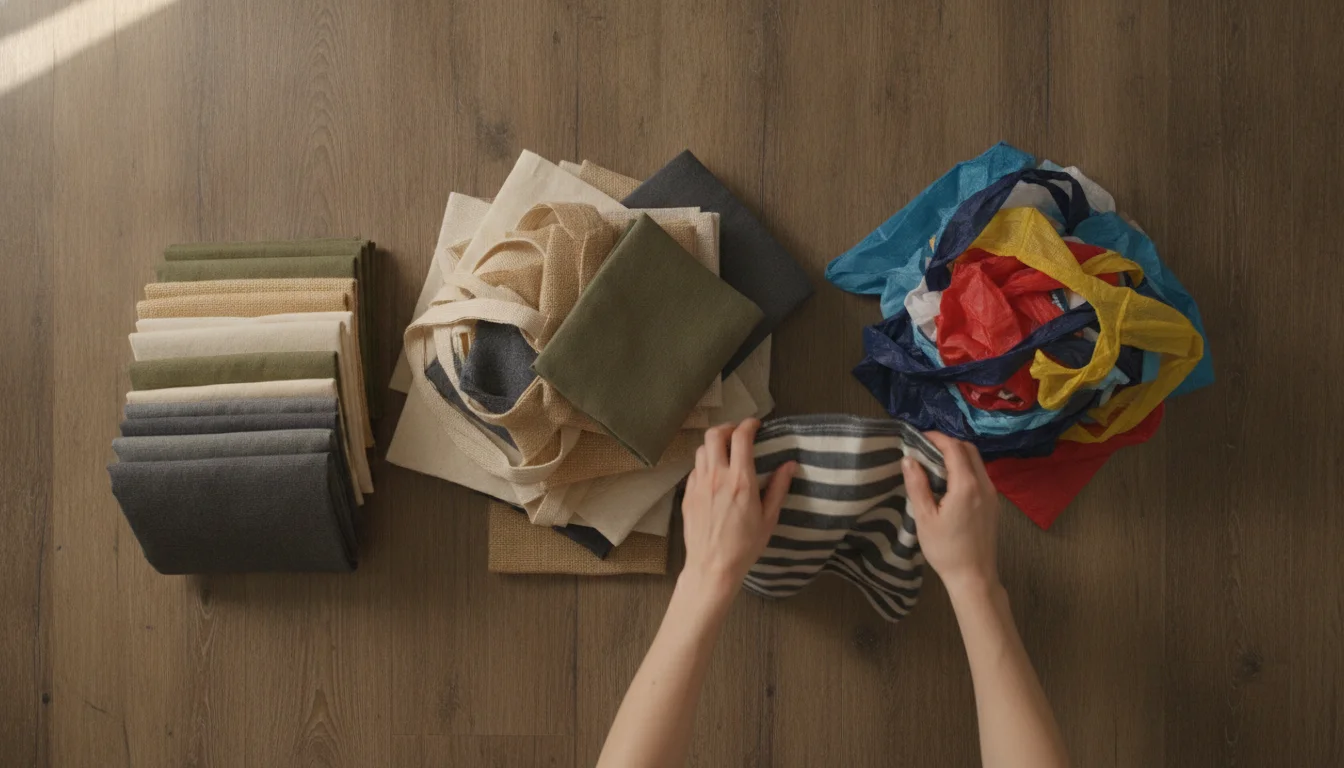
Start here, before you carry anything anywhere. Pull every bag into one pile on the floor. Seeing that you own twenty when you thought you had five is what makes the rest easy.
Now keep the ones you’d genuinely reach for and give each a job: one for the car trunk, one for library books, a couple for the weekly grocery run, one that stuffs into a pouch and lives in your everyday bag. A bag with a job and a home comes back into rotation. One without either drifts back into the pile.
Everything left is not a storage problem to solve. It’s the pile you’re getting rid of. Sort it straight into the routes below so it leaves the house instead of migrating to another cupboard (the same triage works for any pile of old things you’ve been meaning to deal with).
2. Donate the Good Ones
Anything clean and unripped can go to someone who’ll use it. Thrift shops take them, but the better target is often your local food bank. Many stock donated totes to pack groceries for the people they serve, and unlike some resale shops (which can charge around a dollar a bag), they’re not selling them back. The Community FoodBank of New Jersey has collected bags this way since 2022, asking only that they’re reasonably clean and not torn.
Call ahead, because “reusable bag” covers a lot and not everyone wants insulated cooler totes or branded promo bags. Small operations take them too: used bookstores hand them to customers who need one, animal shelters use the bigger totes for supplies. And a Buy Nothing group or a friend clears a stack in an afternoon.
3. Drop Thin Plastic Film at Store Bins
The flimsy, stretchy plastic totes (the kind that feel like a thick grocery bag) can’t go in your curbside recycling. Thin film wraps around the rotating shafts at the sorting plant and jams the machinery, so it gets pulled out and landfilled anyway. One tangled bag can shut a line for half an hour.
It has its own stream instead: the collection bins near the entrance of most large grocery and big-box stores. Empty the bag, make sure it’s clean and dry (crumbs and residue get a load rejected), and drop it in. The store drop-off finder at plasticfilmrecycling.org lists which shops take it. Quick test: if a bag stretches, it’s film and the bin takes it. If it crinkles or holds a shape, it doesn’t.
4. Textile-Recycle the Worn Cloth Ones
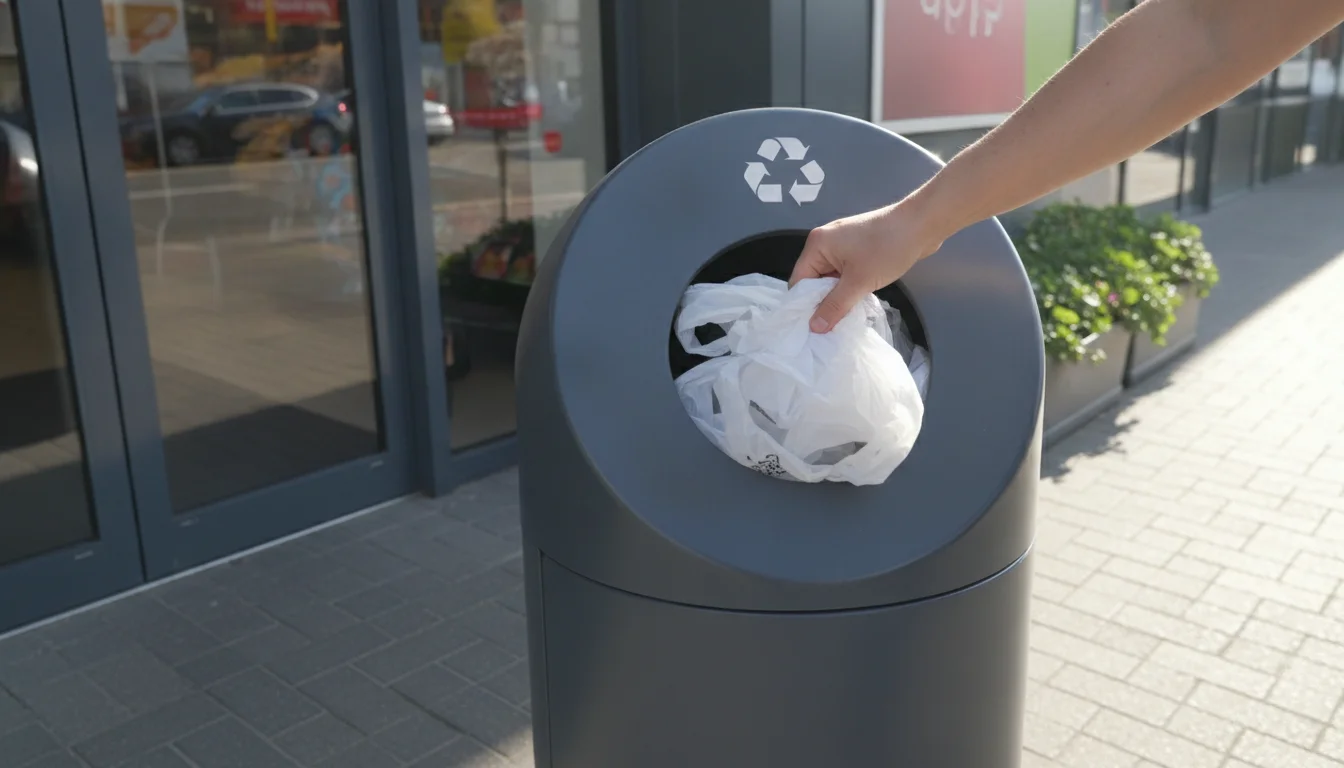
Cotton, canvas and jute bags that are too stained, torn or grubby to donate still don’t belong in the trash. Textile recycling takes them. Look for clothing and textile banks in supermarket parking lots and at recycling centers, which take worn natural-fiber bags. Mail-in take-back services suit bags in better shape: Trashie’s Take Back Bag wants textiles clean, and Retold accepts bags only if they’re still good enough to resell, so a truly grubby tote is a job for the local bank rather than the mail.
Empty and shake them out first. If a bag mixes materials (a canvas tote with a plastic liner or metal grommets), some centers only want the fabric, so pull the parts apart where you can.
5. Repurpose the Rest
Before anything hits the bin, a few earn a second job. The big totes that takeout orders come in make free trash-can liners. An old canvas bag becomes storage for shoes, cables or craft supplies, or reusable gift wrap that beats paper and gets handed on. And a favorite that’s come apart at a seam is worth ten minutes with a needle (a restitched strap outlasts a new freebie).
Prevention: Stop the Pile Rebuilding
Clearing them out is pointless if the drawer refills in a month. Decline the freebie tote when you already have plenty. Keep a couple of the stuff-into-a-pouch kind in your jacket, your everyday bag and the car, so “I forgot my bags” stops being the reason you grab another. Forgot anyway? Ask the shop for a spare cardboard box. And hold one-in, one-out: when a new one comes in, an old one leaves.
FAQ
Can reusable bags go in curbside recycling?
No. Thin plastic film totes jam sorting machinery and get landfilled, and cloth or canvas bags aren’t curbside material at all. Use store film bins for plastic and textile recycling for fabric.
Where can I donate reusable shopping bags?
Food banks (many reuse them to pack groceries for clients), thrift shops, and smaller spots like used bookstores and animal shelters. Keep them clean and unripped, and call ahead to confirm what they’ll take.
What do I do with cloth bags nothing will accept?
If they’re too worn to donate, textile recycling takes them: a clothing bank at a supermarket or recycling center takes worn natural-fiber bags. Mail-in take-back services are fussier and suit bags still in decent shape, so a truly grubby tote belongs at the local bank.