Table of Contents
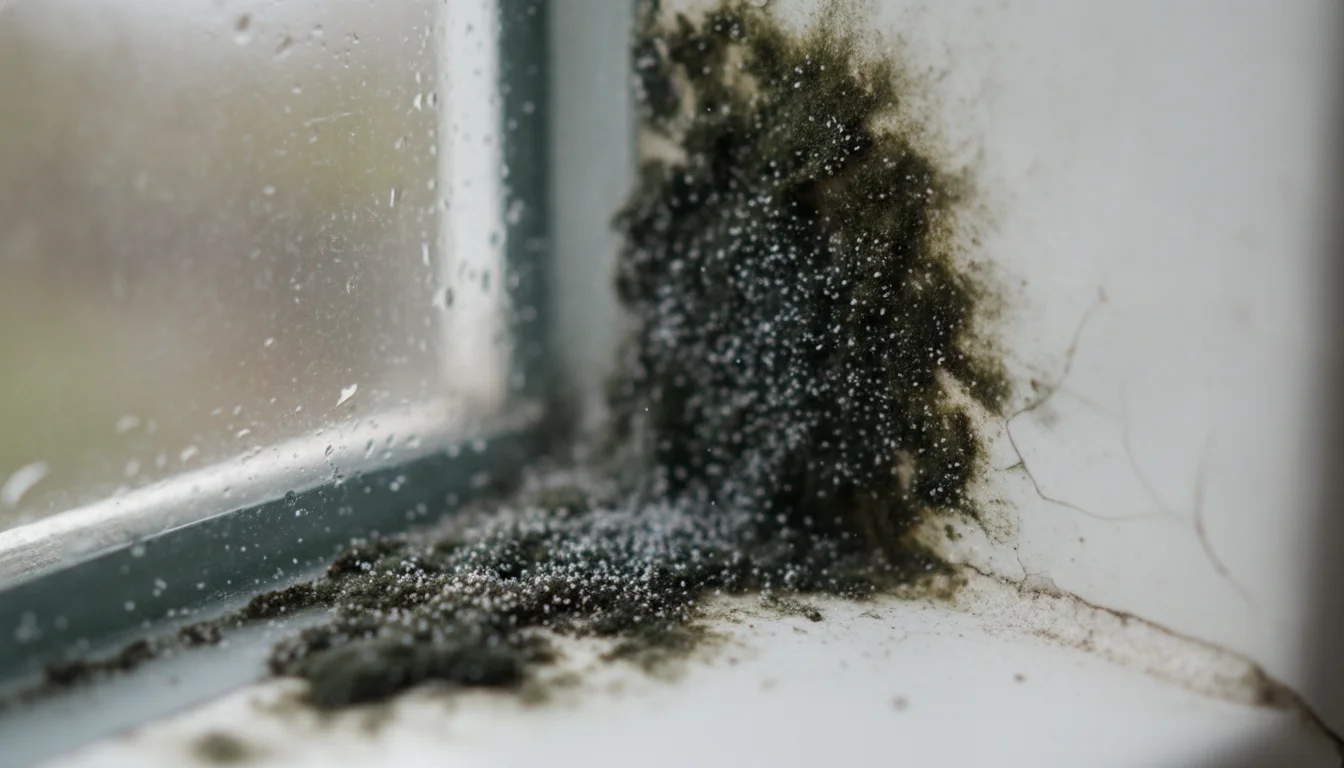
Those near-invisible white specks moving across the damp bathroom wall or clustered on the windowsill, right where the mold is, are most likely mold mites feeding on it. Wipe them off and they come back, because the mold is still there and the damp that grew it is still there. That is the whole trap: everyone treats the specks and nobody treats the cause. So how to get rid of mold mites for good is a two-step job. Clean the mold off the surface, then kill the damp that feeds it. Do only the first and you will be wiping the same wall for as long as the damp lasts.
What kills mold mites?
Dryness is what kills mold mites. They need moisture to live and are prone to drying out without it, so the durable fix is to take the damp away: dry the surface and you dry them out while starving the mold they feed on. Mold mites are particularly susceptible to dry air, and holding indoor humidity down stalls their growth over time. Spraying or fogging never holds on its own. Iowa State Extension is blunt about it: those treatments only help for a while and are temporary unless you correct the moisture, so while the damp stays a new generation moves straight back in.
To clear the ones already on the surface, scrub it with soap and water, which kills the mites lingering there, then vacuum up the specks and their debris. If they are in the pantry rather than on a wall, the food is the source, so throw it out. Everything below is that plan, in order.
What causes this problem
Mold mites (usually Tyrophagus putrescentiae, spelled mould mites in British English) feed on mold, and also on damp, high-fat and high-protein stored foods like flour, grain, cheese and pet food, which can support them even where there is no visible mold. Indoors, though, what they need above all is damp: mold grows on damp surfaces, and the mites turn up to feed. So the real cause is moisture. A leaking pipe, a cold single-pane window that runs with condensation, a bathroom with no exhaust fan. When indoor heating warms the air against cold walls and windows, condensation forms, and that damp is what the mold needs. The mold grows on the damp, the mites arrive to feed, and they breed quickly. They also hitch in on mold-spotted flour, grains and pet food, which is why pantries are a second front.
How to get rid of mold mites, in order
Work the list top to bottom. The first two steps clear the mold you can see. Steps three to five kill the damp that keeps growing it back, and that is the part that ends the infestation. Step six mops up the survivors on the wall. The last two handle the pantry, a separate front with its own section below.
1. Clean the mold off with baking soda
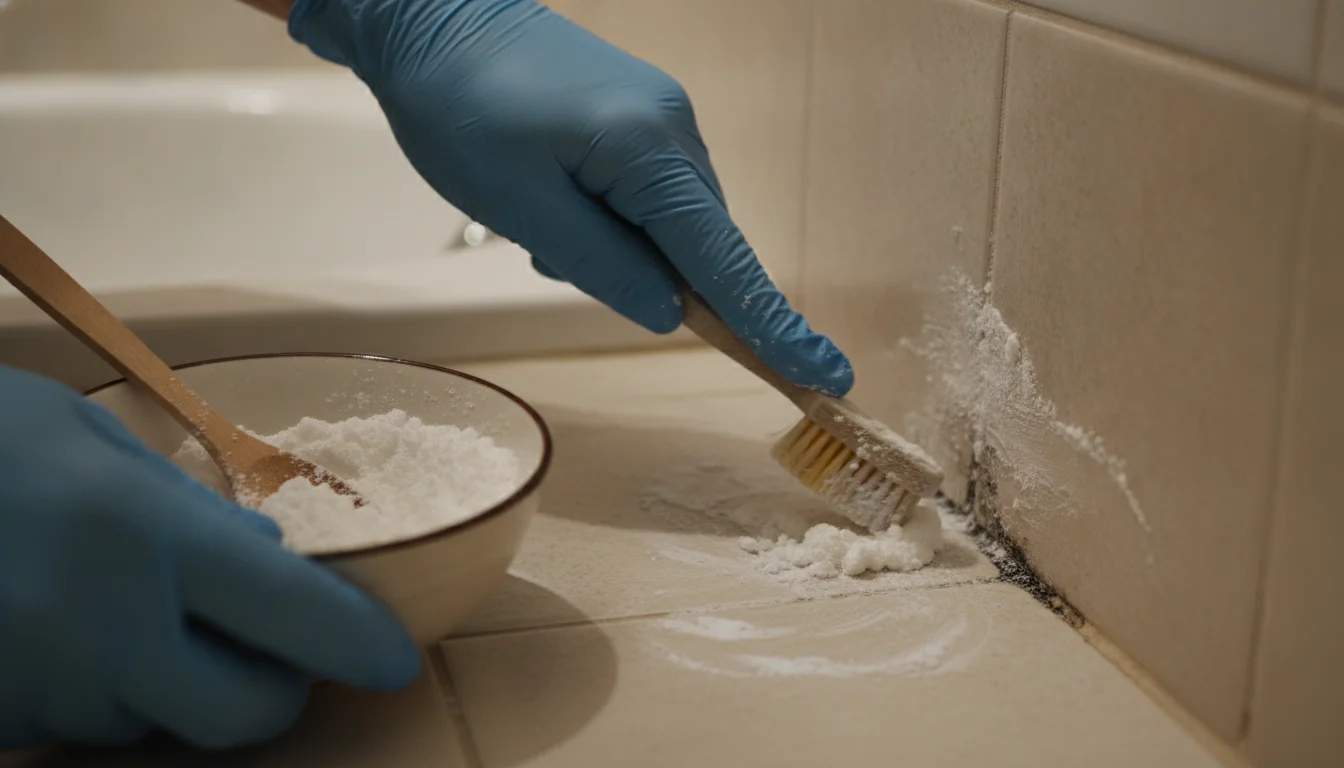
This is the trick the magazines keep pushing. What clears hard-surface mold, on the EPA’s own advice, is to scrub it off with detergent and water and dry the spot completely. Baking soda (bicarbonate of soda) is just the household powder people reach for as that wipe. The work is mechanical, scrubbing the mold off the surface, not any special cleaning power in the powder itself.
Make a paste with water, cover the mold, then scrub with a damp cloth or an old toothbrush and wipe clean. For a light haze over a wider area, dissolve some in a spray bottle of warm water, mist, and wipe. Do the whole patch, not just the visible edge, and dry the surface after. The honest limit: this clears what sits on the surface and does nothing about the damp underneath, so on its own it does not last.
2. Clean visible mold with vinegar
White vinegar is the other thing people reach for, but treat it the same way: as a wipe, not a mold killer. The EPA backs only detergent and water for hard-surface mold, so vinegar earns a place here only as another way to wet a cloth and scrub, with no special power over the mold.
Spray white vinegar on the moldy surface, then wipe clean and dry the spot. Wear gloves and open a window. Do not mix it with the baking soda into one fizzing paste, whatever the internet tells you: the fizz cancels the two out and leaves you with weak salty water, not a stronger cleaner. Use them as separate wipes if you use both.
If the mold covers more than about 10 sq ft (0.9 sq m) or keeps coming back in the same spot no matter how often you clean it, stop wiping and read the “when to call a professional” section below. That is a moisture problem you cannot reach with a spray bottle.
3. Fix the leak and the damp source
This is the step that ends the problem, and it is the one every quick-fix article skips. Mold mites feed on mold; mold grows on damp. Take away the damp and both are gone for good.
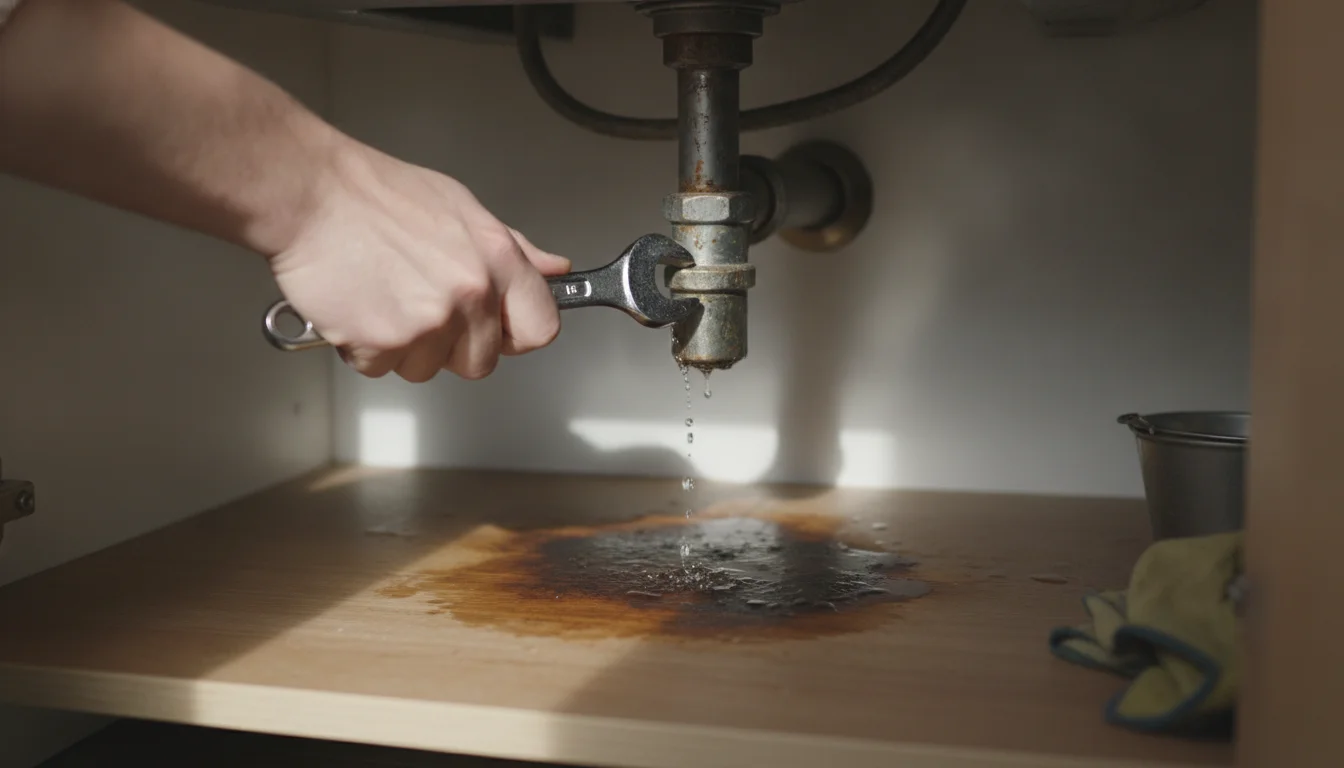
Find the water. Check under sinks and around the base of the toilet and bath for slow leaks. Look at cold external walls and single-pane windows where warm air condenses on the cold surface. In older houses, watch for rising damp at baseboard level. Then fix what you find: tighten the leaking joint, insulate the cold pipe that sweats, clear the blocked gutter that soaks the wall. Persistent condensation at home usually points to a ventilation or insulation problem worth diagnosing properly rather than mopping up forever. Until the surface stops getting damp, the mold comes back and the mites come back with it.
4. Run a dehumidifier
Where you cannot chase down a single leak (a naturally humid bathroom, a cold bedroom, a basement), drop the humidity across the whole room. A dehumidifier is the blunt tool for this.
Set it to hold 30 to 50% relative humidity and leave it running; the EPA puts the target below 60%, ideally 30 to 50%. Keep it in that range and mold struggles to grow, which starves the mites on the wall of what they feed on. Empty the tank daily or run a drain hose so you do not have to think about it. Size it to the room: an undersized unit runs flat out and never quite wins.
5. Improve ventilation
Half the damp in a modern home is just trapped air. Moving it out is free.
Use the exhaust fan every time you shower or cook, and leave it running a while after. Open windows to let damp air out. Rooms with no window and no fan, the usual mold-mite hotspots, need a mechanical fix: a dedicated exhaust fan vented outside, not a recirculating one that just stirs the same damp air around.
6. Vacuum up the specks
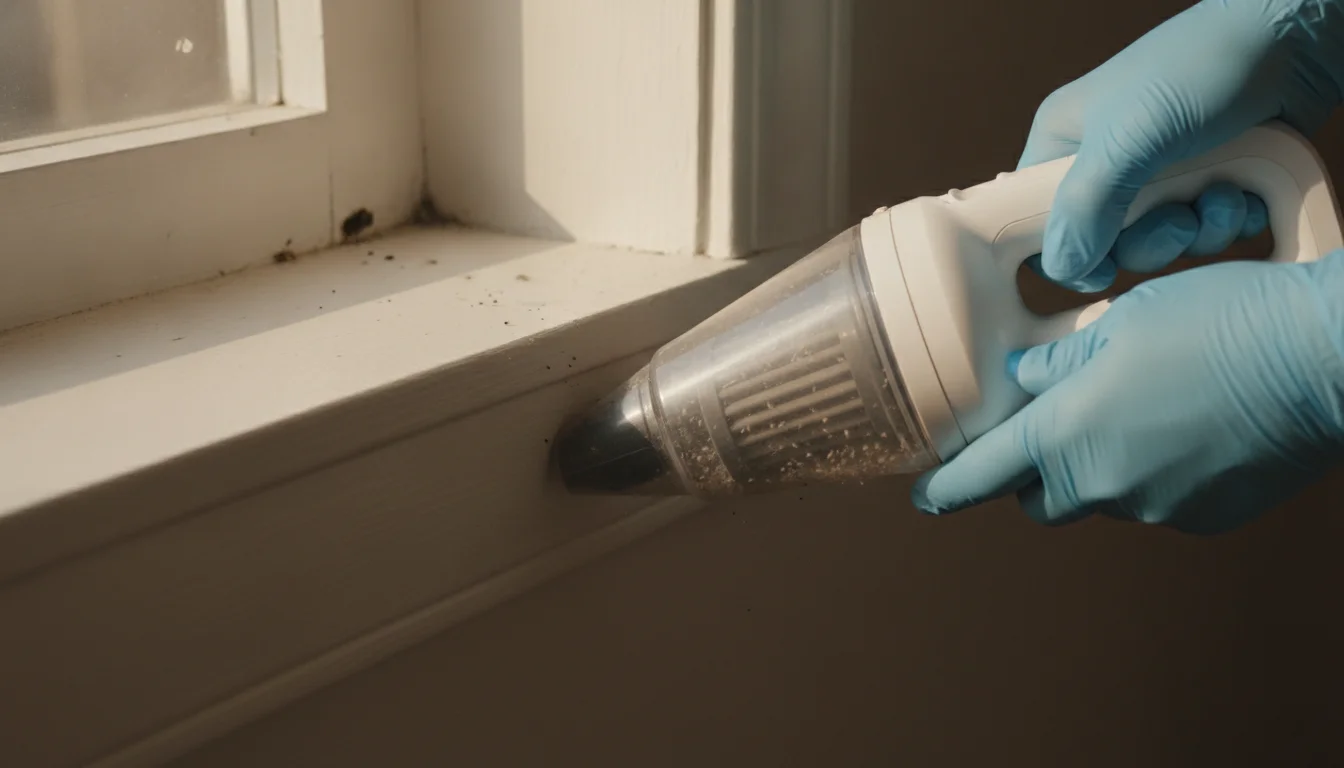
Cleaning kills the mold; vacuuming physically removes the mites, their shed skins and the moldy debris they leave. Mold mites are tiny, about 1/64 inch (0.28 to 0.41 mm) long, so use a vacuum with a HEPA filter to trap the fine debris.
Work slowly over the surfaces, baseboards, window channels and the corners where they gather, then take the vacuum outside, bag the contents and throw them out. For flat surfaces, a rag wrung out in hot soapy water wipes them up just as well; rinse it often and keep it soapy.
Mold mites in the kitchen and pantry
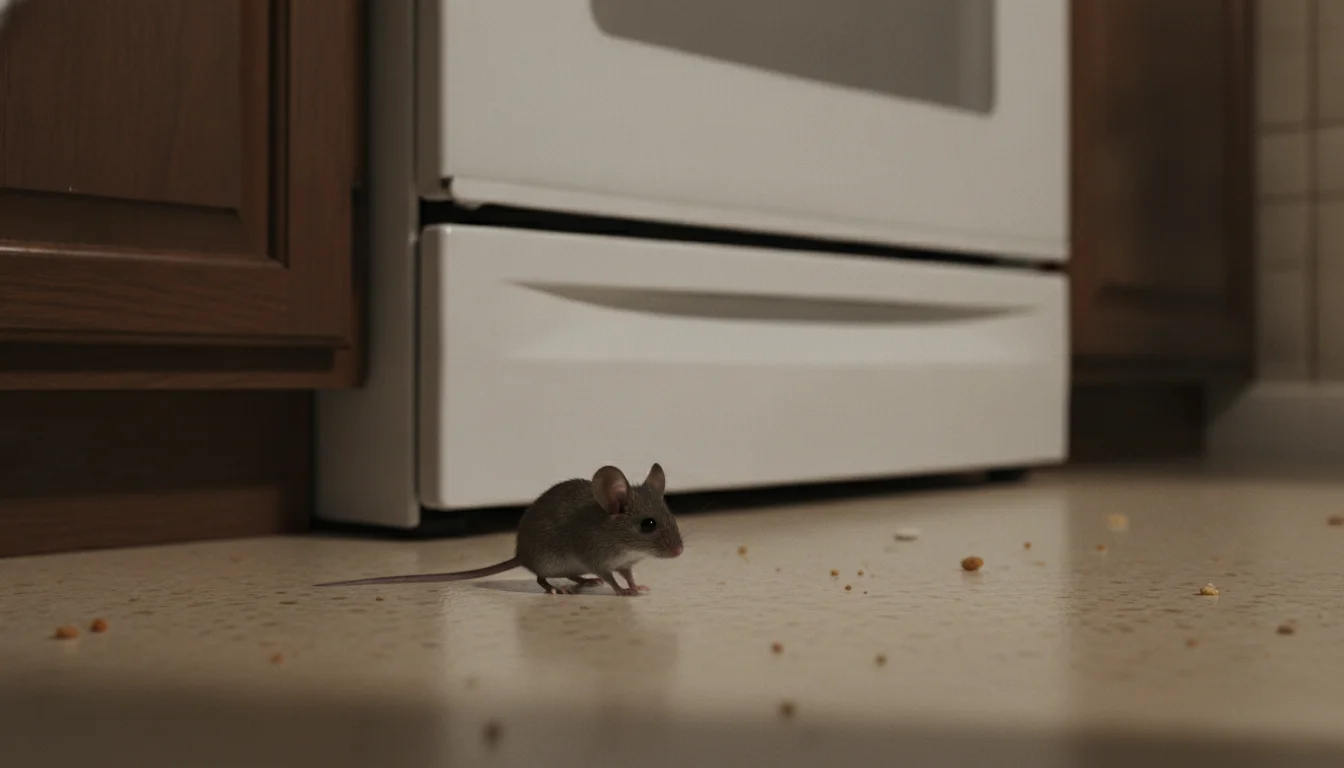
A pantry infestation is a different problem from mold on a wall, even though it is the same mite. Here they arrive inside the food, not on the paintwork: flour, grains, cereal, pasta, dried fruit, nuts, cheese and dry pet food all feed mold mites, and a packet can be crawling before you spot any mold on it. The tell is the same fine, dusty, moving film, this time along a shelf edge or inside an open bag. A humid cupboard is what lets them build, so the pantry beside the kettle or the shelf under the sink is the usual site. The two steps below clear it: throw out what they are in, then seal what is left.
7. Throw out contaminated food
If the mites are in the pantry rather than on the wall, the food itself is feeding them: flour, grains, cereal and pet food can support mold mites whether or not any mold is visible on them. Any dry good with visible mold or that dusty, moving film on it is done.
Bag it, seal it, and put it straight in the outdoor trash, not the kitchen can where the spores stay in the room. Wipe the empty shelf down with soap and water before you restock, which kills any mites left in the corners. Check the packets around it too, because they spread. If a bag of feed is only lightly affected and worth saving, freezing it for several days kills the mites, though it does not un-mold the food. When in doubt, throw it out.
8. Store dry food in airtight containers
Once you are clear, keep them out. Grains, cereals, pasta, flour and pet food go into glass, metal or thick plastic containers with a proper seal. Airtight storage keeps humidity out, denies new mold a foothold, and stops a stray mite population turning one open bag into an infestation. Rotate stock so nothing sits at the back long enough to spoil.
Prevention
Everything that gets rid of mold mites also keeps them away, because it is the same job: stay dry. Keep humidity under 50%, wipe down the surfaces that always go damp (window reveals, shower grout, the cold corner behind furniture) before mold can start, and fix leaks as soon as you notice them. Once the heating goes on, the cold-wall condensation starts, so that is when the fan habit earns its keep.
When to call a professional
The mites themselves are harmless. The mold is what may need a professional. If mold covers more than about 10 sq ft (0.9 sq m), keeps returning after you clean it, sits inside a wall or under the floor, or grows from a sewage or flood leak, that is a job for a damp specialist or mold remediation, not a spray bottle. Recurring mold means a moisture source you cannot see or reach. And if the damp is coming from a structural fault (a failed damp-proof course, a roof leak, rising damp), fixing the building is the only thing that ends it.
Frequently asked questions
Are mold mites dangerous or harmful? Not directly. They do not bite, sting or carry disease. The catch is what they signal: mold. Their shed skins can trigger allergy in sensitive people (sneezing, itchy eyes, skin irritation), and the mold behind them is the real health concern, especially for anyone with asthma. If symptoms persist, that is a question for your doctor, not a spray bottle.
Do mold mites bite or crawl on humans? They can wander onto skin, but they do not bite or burrow and they are not interested in you. In sensitive people, contact with the mites and their shed skins can irritate the skin, but that is a reaction to the material, not a bite.
How do I tell mold mites from dust mites? Where they live and what they eat. Mold mites feed on mold and cluster on damp walls, food and grout; dust mites eat shed skin flakes and live in bedding, carpet and soft furnishings. If you are seeing specks on a damp, moldy surface rather than in the bed or the sofa, they are most likely mold mites.
Why do they keep coming back? Because you are treating the mites, not the damp. Iowa State Extension puts it plainly: spray or fog treatments only help for a while and are temporary unless you correct the moisture. As long as there is damp mold to feed on, a new generation moves straight back in. The only permanent fix is drying the surface out.
When is the real problem the mold, not the mites? When cleaning does not hold. If the same patch molds over again after you clean it, spreads past about 10 sq ft (0.9 sq m), or you can smell a musty damp room, act on the mold and the moisture, not the specks. The mites are just the messenger.