Table of Contents
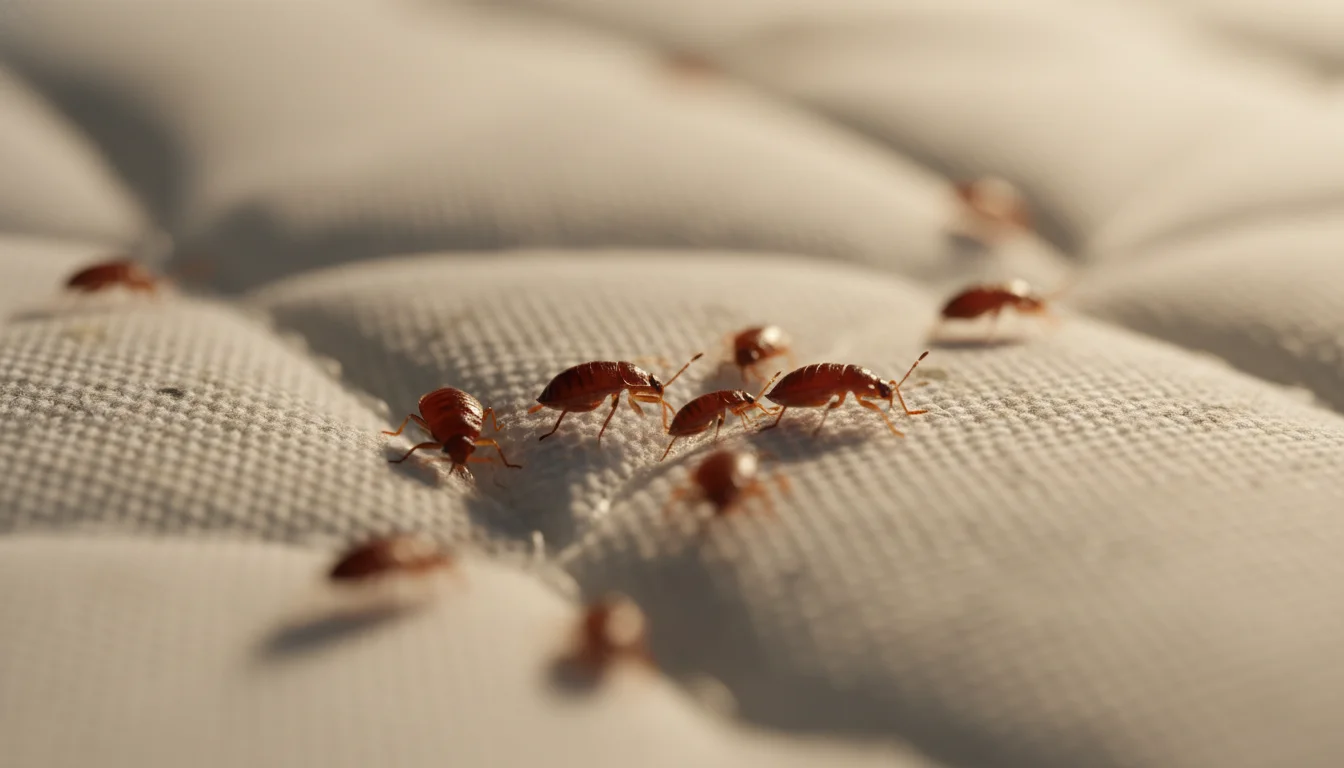
Bed bugs are hitchhikers. They came home in your luggage from a hotel, slipped in with a secondhand couch, or migrated through a shared wall from a neighbor’s apartment. None of that is a cleanliness issue – they don’t care how tidy you are. They care that you sleep there.
Getting rid of them takes three weeks minimum. Their eggs survive most casual attempts to kill them, so a single treatment doesn’t cut it. You need to hit them in cycles that track the hatch. The good news: it’s entirely doable if you commit to the process and do it in order.
1. Dealing with Bed Bugs
Bed bugs feed on you while you sleep. The bites itch like hell, leave welts, and for some people trigger allergic reactions. But the psychological side – knowing bugs are feeding on you every night – is often worse than the bites themselves.
The key thing to understand before you start: this takes sustained effort over three weeks minimum. They’re hardy, they hide in cracks thinner than a credit card, and their eggs survive most casual treatments. One pass won’t do it. Commit to the full protocol below, in order, and you can clear them.
2. Monitors and Traps for Early Detection
Interceptor traps under each bed leg catch bed bugs passively overnight. They’re plastic dishes with an outer wall bugs can climb but an inner well they can’t escape. Check them weekly.
These serve two purposes. Before treatment, they tell you whether you have a problem before the population explodes. After treatment, they tell you whether you got them all – if you catch bugs weeks after you thought you’d cleared the room, you know there are survivors before they rebuild.
Chemical lure traps emit CO2 or heat to attract bugs to adhesive surfaces. Good for monitoring and confirmation, not for elimination on their own. Place both trap types near beds, couches, and anywhere people sleep or sit for long stretches. In apartments, put them along shared walls.
3. Strip the Room and Seal Entry Points
Remove everything that gives bed bugs somewhere to hide. Area rugs, piles of clothes, stuffed animals, anything under the bed. You’re not tidying – you’re eliminating harborage points and isolating infested items so you can treat them separately.
Bag fabric items immediately in heavy-duty trash bags. Seal them tight. Don’t set them in the hallway – that just moves the problem. Bags go straight to the laundry. If you can’t wash something right away, a sealed bag in the freezer for 4+ days at 0°F (-18°C) kills everything. In summer, a sealed bag left in a hot car where interior temps hit 120°F (49°C) or above works in 2-3 days.
Take down wall hangings. Bed bugs spend the day behind picture frames, clocks, and posters. The room needs to be as bare as possible.
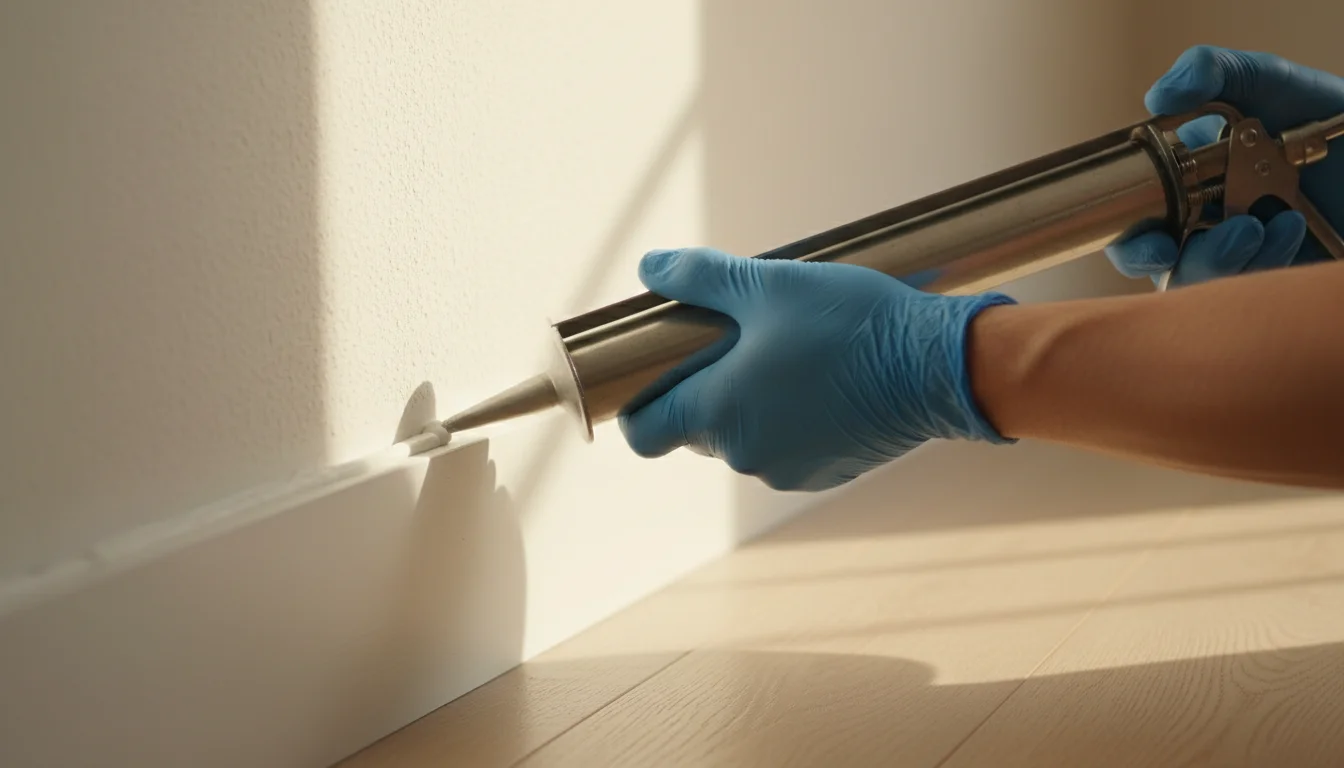
Seal cracks around baseboards, outlet covers, and door frames with caulk. In apartments, this matters a lot – bed bugs travel between units through wall voids.
Inspect your mattress. Torn fabric or holes mean you can’t treat the inside effectively – replace it. A mattress in decent shape stays, but it gets encasements later (step 6).
4. Vacuum Everything
Vacuuming before chemical or heat treatment removes adults, eggs, and shed skins from surfaces. Use the hose attachment – not the floor head. Work methodically.
Cover every inch of the mattress: seams, tufts, piping, the full surface. Do the box spring, hitting wood frame corners and fabric along staple lines. Get bed frame joints, headboard crevices, and any upholstered furniture in the room. Baseboards, carpet edges, floor-wall corners. Bed bugs hide in any gap thinner than a credit card, so vacuum anything with a seam or crack.
Seal the bag or empty the canister into a plastic bag and throw it in an outdoor bin immediately after. Bed bugs can crawl out of a vacuum if you leave it sitting inside.
5. Hot Water Wash and Dry
Bed bugs and their eggs die in sustained heat. Wash fabric items – bedding, clothes, curtains, towels, stuffed animals – in water at 130°F (54°C) or hotter. Most household washers hit 140°F (60°C) on the hot setting. Follow with a full drying cycle on high heat for at least 30 minutes.
The heat does the killing, not the detergent. For things you can’t wash (delicates, dry-clean-only items), run them through the dryer alone on high heat for 30-40 minutes.
Don’t open sealed bags until you’re at the washer. Carry them straight there, open at the machine, dump directly in, and throw the bag in an outdoor bin right away. A loose item dropped in the hallway restarts the spread.
After washing, store clean items in fresh sealed bags until the infestation is fully cleared. Putting clean bedding back on an untreated bed reinfests everything overnight.
6. Mattress and Pillow Encasements
Encasements are zippered covers that seal your entire mattress and box spring. Bugs trapped inside can’t get out to feed and starve over 12-18 months. Bugs on the outside can’t find a seam to hide in.
Standard mattress protectors don’t work – they have gaps that bed bugs slip through. You want encasements specifically rated for bed bugs, with sealed zippers (look for a Velcro flap or locking mechanism over the zipper track) and tightly woven fabric that nymphs can’t penetrate.
Put them on after vacuuming and the first round of insecticide treatment. Encasing an untreated mattress just traps a live population inside. Once you’ve knocked the population down, encasements become a permanent barrier.
Get pillow encasements too. Bed bugs hide in pillow seams exactly as they do in mattress seams.
Leave encasements on for at least a year after your last confirmed sighting.
7. Insecticide Treatment (Three-Week Protocol)
This is the core of DIY elimination. Use insecticides labeled specifically for bed bugs – get both a spray and a dust (diatomaceous earth or silica gel). The spray hits bugs on contact in cracks you can reach. The dust clings to bugs as they walk through it and kills them slowly over hours to days.
Target hiding spots: bed frame joints, box spring seams, baseboards, behind outlet covers, furniture joints, closet corners. Bed bugs avoid light, so focus on dark enclosed spaces. Dust goes along baseboards and under furniture where it won’t be disturbed. Spray goes in visible cracks and on surfaces.
Repeat the full treatment exactly one week later, then again one week after that. Three treatments over three weeks. The reason: most insecticides don’t kill eggs, but newly hatched nymphs are vulnerable. The week interval catches each hatch cycle before they can reproduce.
Don’t stretch the timeline or skip a round. Missing a cycle lets them rebuild.
8. Professional Steam Cleaning
Steam kills bed bugs and eggs on contact when the surface temperature hits 160-180°F (71-82°C). It penetrates fabric and crevices where bugs hide, with no chemical residue. Works on mattresses, box springs, bed frames, upholstered furniture, and baseboards.
The limitation is reach. Steam only kills what it directly touches. Bugs in wall voids or behind sealed furniture joints survive. Use steam as a complement to insecticide treatment, not a replacement.
Don’t rent a consumer steamer for this. They rarely hold temperature consistently enough. Hire a pest control company with commercial equipment.
9. Heat Treatment
Professional whole-room heat treatment is the most thorough single method available. Commercial equipment raises room temperature to 120-140°F (49-60°C) and holds it for several hours. Every life stage dies – eggs, nymphs, adults – regardless of where they’re hiding or whether they’ve developed chemical resistance.
It costs $1,000+ per room and takes one day. That’s the trade-off. If you’ve got a severe infestation, or you’ve tried DIY and it didn’t hold, this is the right call.
The one limitation: heat clears what’s in the room, but if bugs are migrating in from an untreated source – a neighbor’s unit, furniture you didn’t address – they’ll reestablish. Fix the source first.