Table of Contents
Tiny gray or white specks in the sink, on a windowsill or on top of a houseplant pot, and they ping off into the air when you poke them? That’s almost certainly springtails, and how to get rid of springtails starts with being sure. They carry a forked tail tucked under the body, and when something disturbs them it snaps down and flicks them up to several inches away. Fleas jump too, but they’re harder, darker and bite.
They don’t bite people or pets, don’t spread disease and don’t damage anything in the house. They’re a damp meter with legs. Springtails need moisture to survive, and indoors most of them die soon after they arrive unless they find some. So the fix comes down to one job: find the wet spot they’re living on and dry it. Spray them and leave the damp, and you’ll be spraying them again next week.
Springtail, flea, booklouse or mite?
- Flea: about 1/8 inch (3 mm), dark reddish-brown, hard and flattened side to side. Fleas jump onto you and bite, usually around the ankles. Springtails are smaller (about 1/16 inch, 1.5 mm), soft, grayish, and never bite. If that’s what you have, go to our flea guide.
- Booklouse: 1 to 2 mm, pale to light brown, always wingless, and found around old books, papers and humid shelves where mold grows. No tail spring. See book lice.
- Mite: leg count varies with age and species. Young mite larvae have six legs, most older mites have eight and a few kinds have four, so legs alone won’t settle it. A springtail has six legs on a body with a distinct head and antennae, and it jumps. A hand lens settles it. Still stuck? Tiny bugs in the house covers the wider lineup.
Why springtails show up where they do
Where you see them tells you where the damp is.
Houseplant soil. Most often noticed right after watering, when they move up out of the soaked soil to the surface. The plant is fine. The watering is the problem.
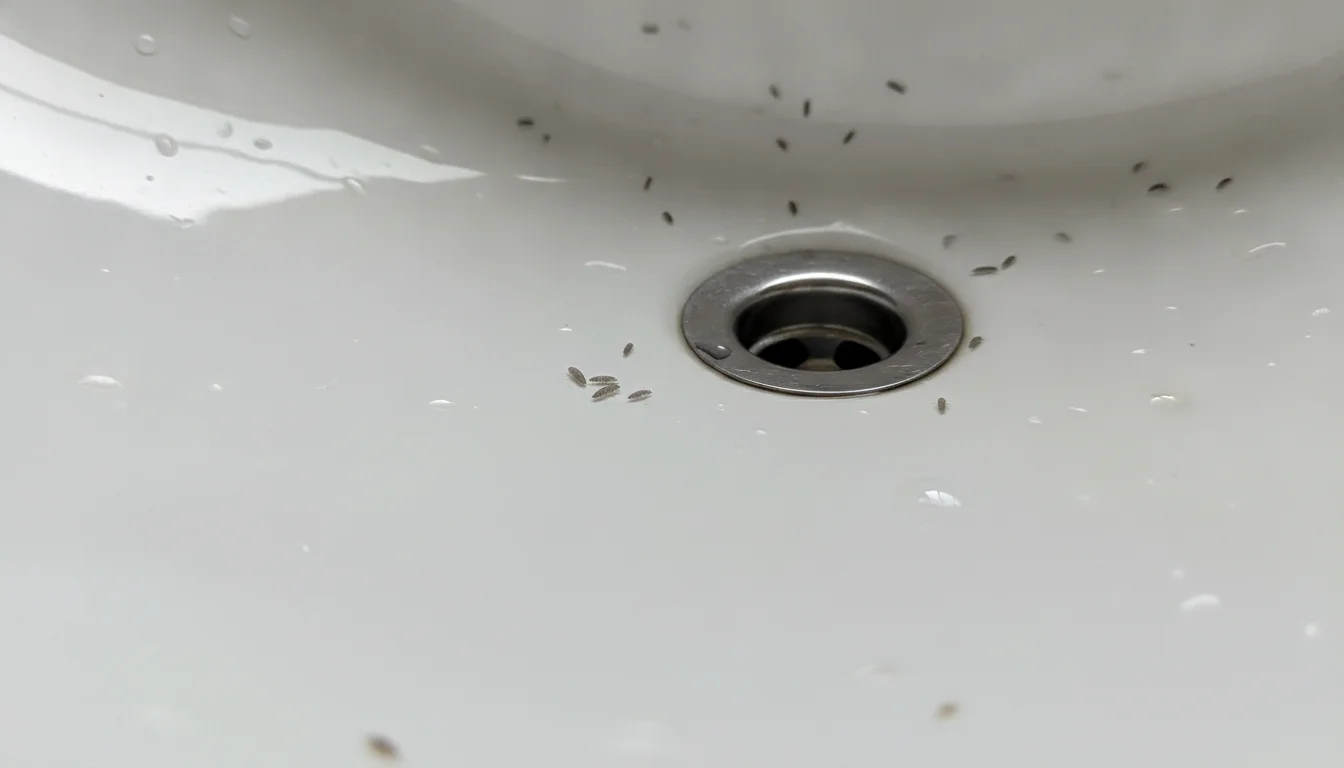
Sinks, tubs and floor drains. They crawl indoors hunting for moisture and get trapped in basins. A tub full of them every morning means water close by: a dripping trap, a leaking seal, damp behind the tiles.
Windowsills and doors after hot weather or heavy rain. When the soil outside dries out (or floods), they go looking for somewhere better. After a hot day they can gather on the side of a house in huge numbers, then come in under doors and through screens. They’re also drawn to light. These invasions are short. Indoors, without moisture, they die out within about a week.
A new build or a fixed leak. New homes with wet plaster are a classic source, and so is wet insulation or a damp wall after a leak. As the material dries, the springtails go with it.
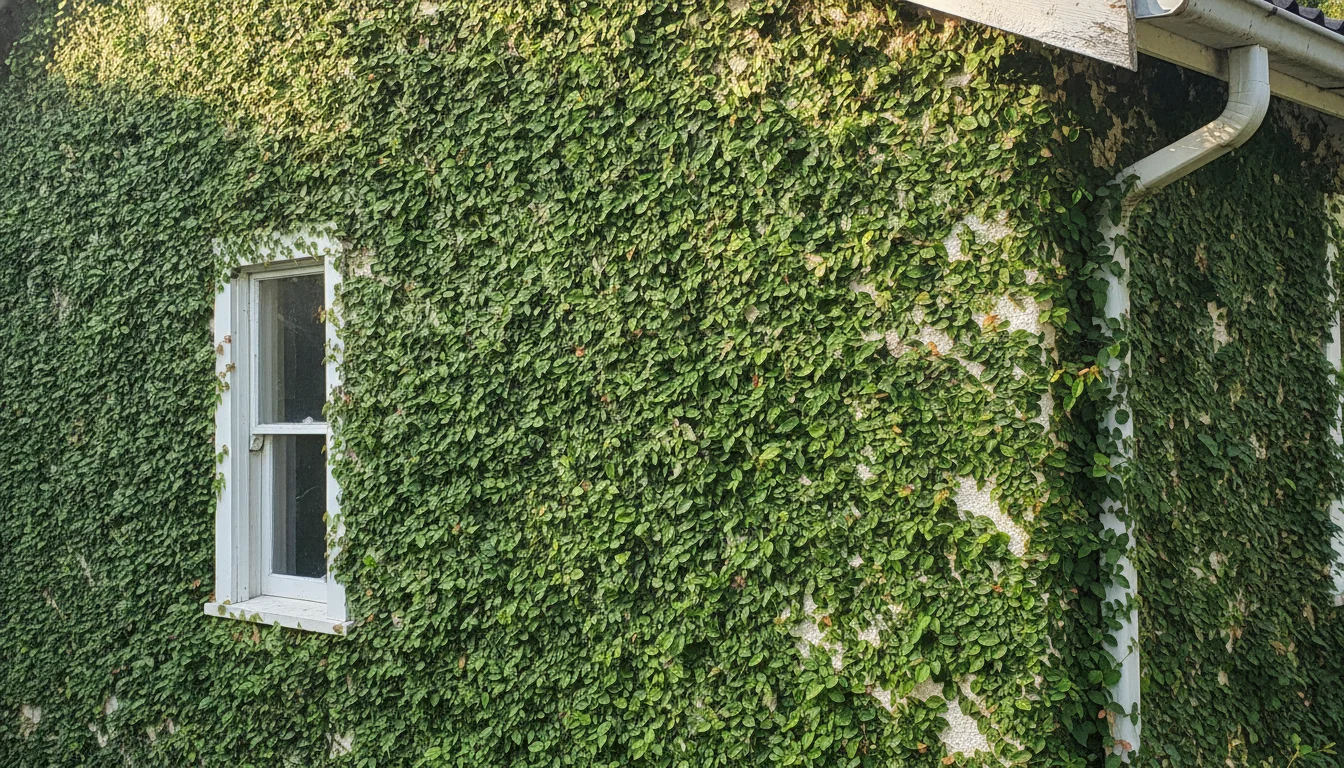
Mulch against the foundation. Thick organic mulch and wet leaves are prime breeding ground. A cubic foot of soil can hold 10,000 of them, so a mulch bed right against the wall is a big reservoir a few inches from your door.
1. Map them with sticky cards
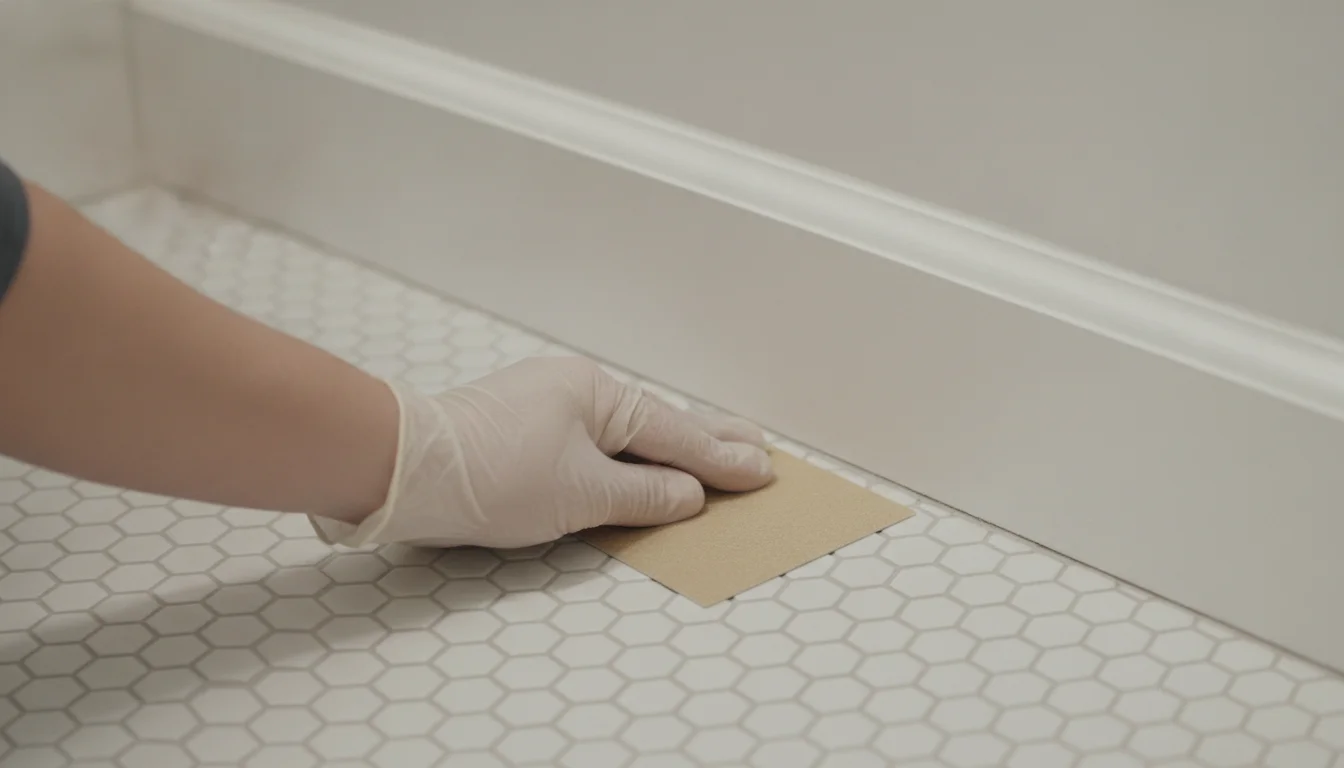
Start here when you can’t see the source. Lay cheap glue boards flat along baseboards, under the sink, beside the tub and on sills, then check them every couple of days. Cards that keep catching show you where they’re active, so check for damp near those spots first. Sticky cards won’t clear an infestation. They tell you where to look.
2. Find and fix the moisture source
This is the method. Everything else is clean-up. Their continued presence indoors is a sign of moisture, so follow the map.
Check under sinks, around toilet bases and the water heater, and along any pipe that runs through a basement or crawl space. Fix drips the same day. Look for failed tub and shower seals, wet insulation, a damp toilet tank, and damp walls. Outside, make sure the ground slopes away from the foundation and gutters aren’t dumping water against the wall. Remove anything wet or moldy, because the mold is their food.
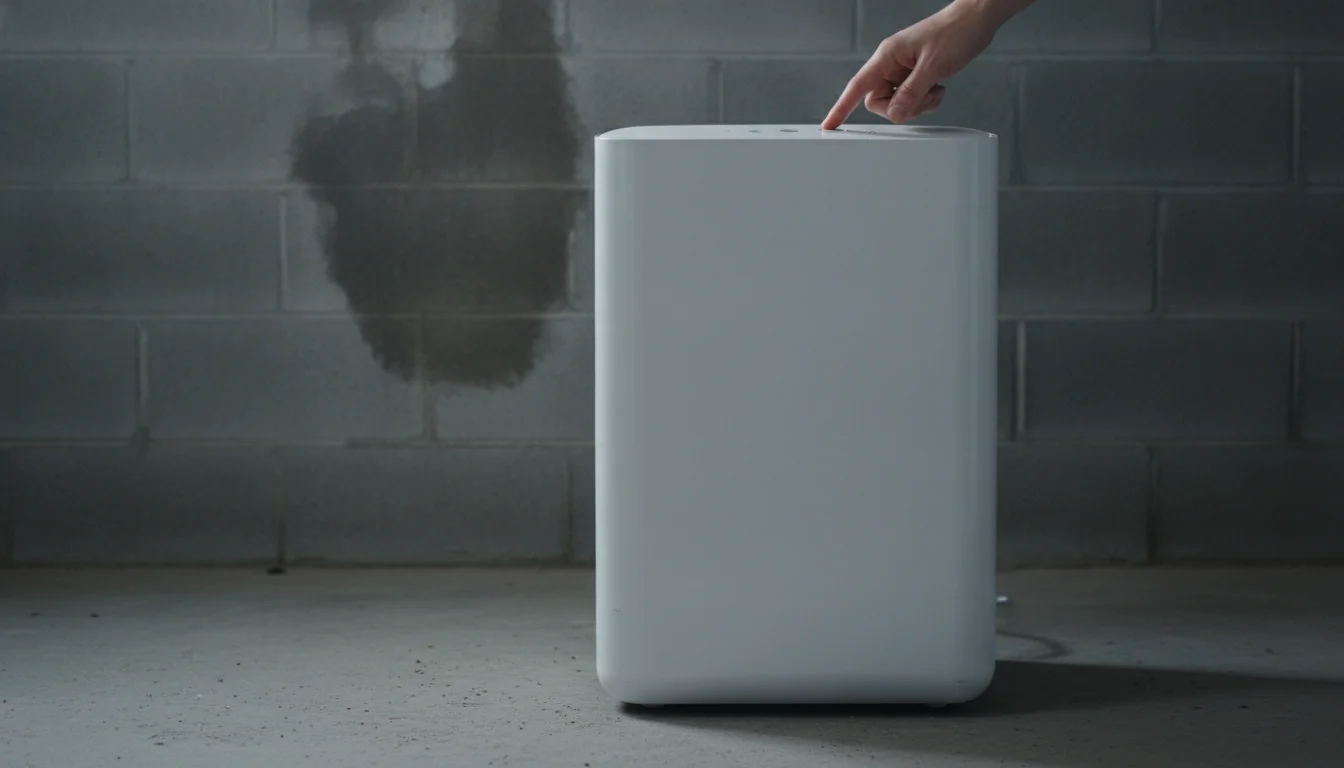
3. Run a dehumidifier
For a damp basement or a bathroom that never quite dries, a dehumidifier takes away the one thing they need. Leave it running until the room stays dry (more on lowering humidity in the house). A box fan aimed at a wet spot speeds up drying too.
4. Let houseplant soil dry between waterings
Push a finger 1-2 inches (2.5-5 cm) into the soil before you water. Still damp? Wait. Let it nearly dry out between waterings, and empty the saucer, because standing water underneath keeps the bottom of the pot wet. If the pot’s badly overrun, set it outside for a while to dry. Springtails don’t hurt established houseplants, so you’re fixing a watering habit, not saving the plant. (Small black flies over the soil instead? That’s fungus gnats.)
5. Rinse them down the drain
In a sink or tub, run the tap over them and wash them down the drain. Plain water. That’s it. Never pour or spray insecticide into a drain, because drains lead to creeks and rivers. Rinsing clears what you can see, so treat a full basin as a clue that the damp is close.
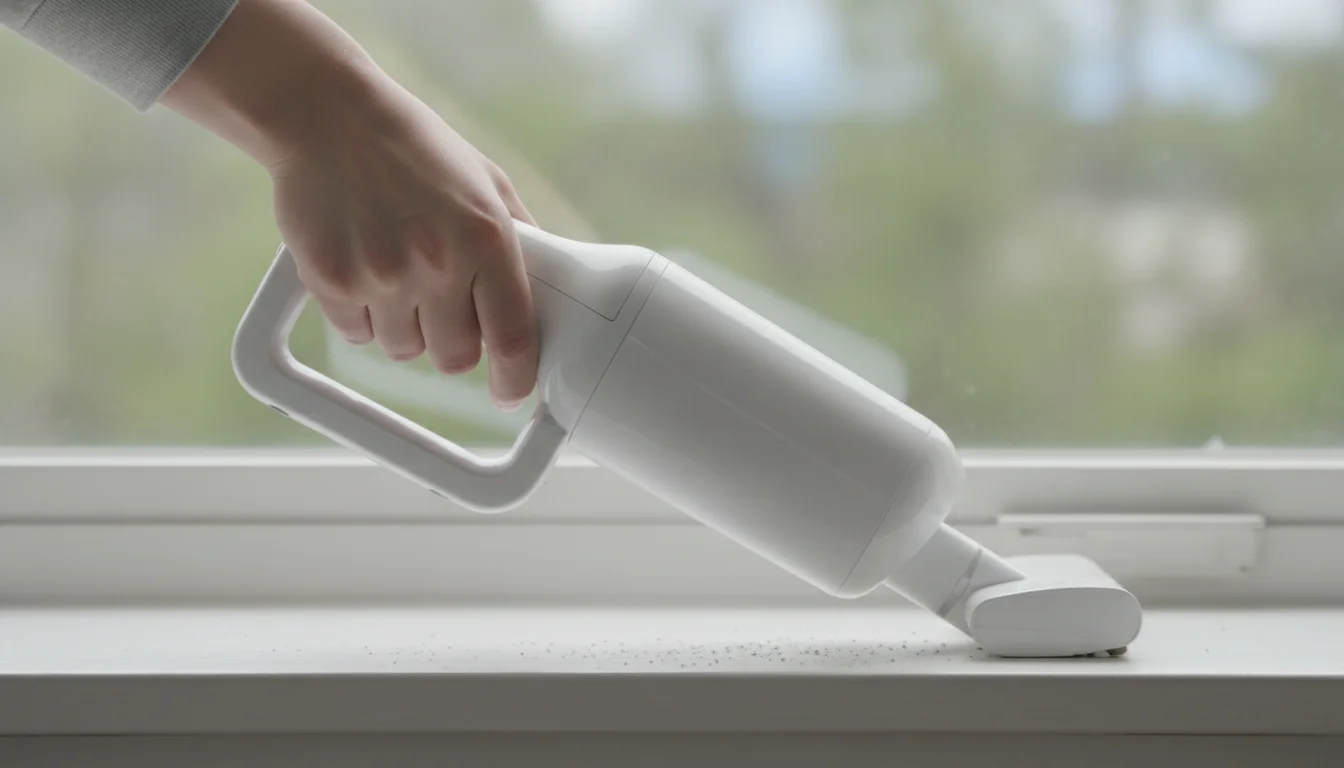
6. Vacuum or sweep them up
For clusters on sills, floors and baseboards, vacuum or sweep and throw the contents out. Repeat as needed. Boring, but extension entomologists rate it about as effective as a spray, without the residue.
7. Pull mulch and leaf litter back from the foundation
Rake mulch at least 1 foot (30 cm) back from the walls and clear wet leaves, grass clippings and wood piles from against the house. Don’t overwater beds next to the house. Let the soil dry slightly between waterings.
8. Seal the way in
Springtails slip through regular screen mesh and the smallest gaps. Repair torn screens, fit or replace door sweeps, add weatherstripping to windows, and caulk or foam gaps around pipes, vents and the sill plate.
9. Perimeter treatment, as a last resort
If mass invasions from outside keep coming after you’ve dried what you can, a residual insecticide around the foundation gives some control. Rake mulch back first. Treatment runs around the foundation perimeter and out from the house, plus entry points around windows and doors. It’s best done by a professional, and runoff must be kept out of storm drains. Indoors, sprays and powders give only temporary relief while the damp stays. They’ll kill the ones you hit, and more will walk in behind them.
When to call a professional
Call someone when they keep coming after you’ve dried everything you can find. Steady numbers in one room usually mean hidden water: a leak inside a wall, wet insulation or a damp crawl space. That’s a job for a plumber or a damp specialist. Call a licensed pest professional for repeated mass invasions from outside, where a perimeter treatment makes sense.
How to get rid of springtails for good: keep them out
Keep mulch a foot back from the walls and wet leaves cleared. Water houseplants less and never leave water in saucers. Run a dehumidifier in damp basements, fix drips as you find them, and keep door sweeps and screens in good repair.
FAQ
Can springtails infest human hair or live on pets?
No. They don’t bite people or pets and don’t live on them. Skin irritation from handling springtails has been reported, but it’s very uncommon.
What can I pour down the drain to kill springtails?
Water. Rinse them away and stop there. Insecticide never goes down a drain. If they keep appearing, look for a leak near the basin.
Will springtails go away on their own?
A summer invasion usually does. Indoors without moisture they die within about a week. If they’re still there after that, something is keeping them wet. Find it.
Are springtails a sign of mold?
They feed on mold, fungi and decaying plant matter, so lots of springtails often means damp that mold also likes. Check the spot. If you find mold, see our mold guide.