Table of Contents
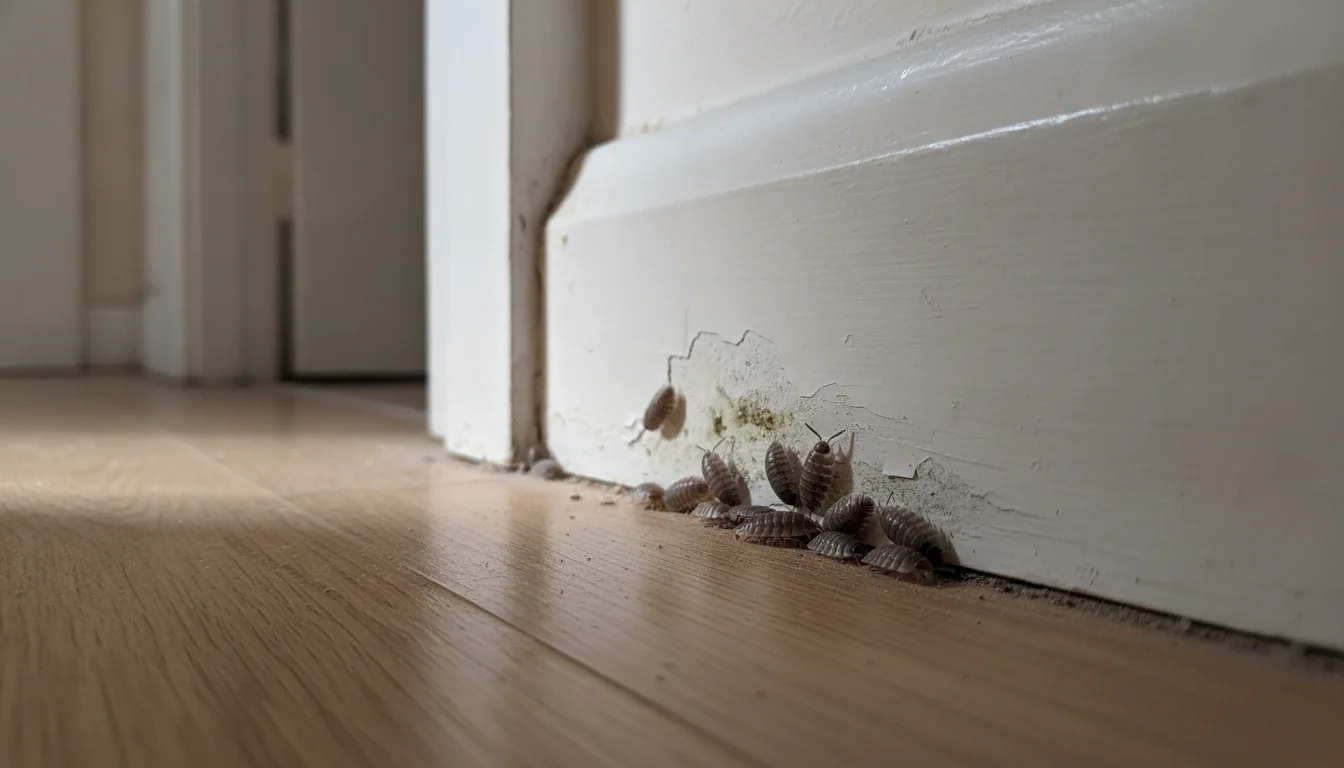
Woodlice don’t want to be in your house. A warm, dry room kills them. Texas A&M’s extension entomologists say they rarely survive more than a day or two indoors, because there’s not enough moisture. So if you keep sweeping them off the same skirting board or windowsill, something near that spot is wet enough to keep them going. It’s also why sprays seem to work for a week and then don’t, and why how to get rid of woodlice is really how to find that wet spot.
They don’t bite, don’t sting and don’t damage anything in the house. They’re harmless to people and pets. The job comes in three parts: read where they turn up, fix the damp that spot points to, then clear the stragglers.
(In the US the same animals go by roly poly, pill bug or sow bug. For control in the garden, see our guide to them outdoors.)
Why they’re there: where you find them tells you what’s wet
The University of Kentucky’s entomologists put it plainly: woodlice that keep turning up indoors point to a moisture problem, or to a sealant, window or door that lets them in. The spot narrows down which.
| Where they turn up | What to check first |
|---|---|
| Window sills and frames | Condensation running off the glass, or old sealant around the frame that’s cracked or pulled away |
| Skirting boards on the ground floor | Damp under a suspended timber floor (blocked air bricks), rising damp, or a leaking pipe |
| Bathroom or kitchen | Condensation from showers and cooking with poor extraction, or a slow leak under the sink or bath |
| Just inside a ground-floor door | A gap under the door, plus damp leaves or pots piled against the house outside it |
| One room, below a gutter | An overflowing gutter or downpipe soaking the wall from outside |
A few in autumn after a wet spell is outdoor numbers spilling over. Texas A&M ties big invasions to years of high rainfall. The same spot every morning, week after week, is damp indoors.
1. Find the damp and fix it at the source
This is the method.
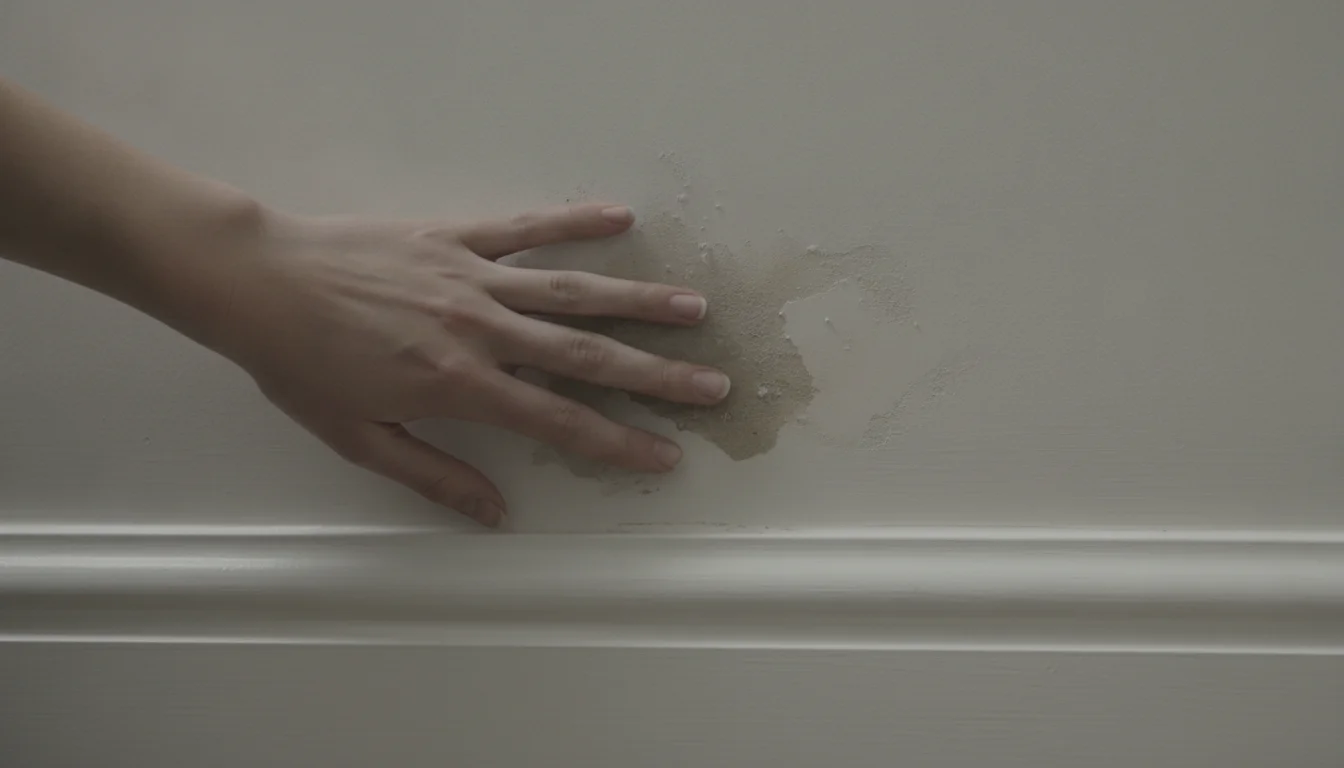
Go to the spot from the table and look closely. Damp that follows the line of a pipe, along with lower water pressure at a tap or a jump in your water bill, points to a leak, according to damp specialists Timberwise. That’s a plumber’s job, today. Low-level damp on the walls, damaged skirting boards, peeling paint or white salt deposits near the floor, all worse when it rains, are signs of rising damp. That needs a damp surveyor.
Pull out anything rotten or moldy while you’re there. Woodlice feed on rotting wood and mold, so a soggy skirting board is both their water and their food.
2. Cut condensation at windows and in the bathroom
Window sills are where condensation collects. Warm, wet air hits cold glass overnight and runs down onto the sill and into the frame. Wipe the sills dry each morning, open the window for a few minutes to swap the damp air out, and keep the extractor fan running while you shower or cook and for a while after. A pest controller quoted by Ideal Home names bathroom and kitchen extraction as one of the most useful things you can do against woodlice. If the sealant around the frame has cracked or come away, cut it out and reseal. That gap is a way in as well as a water trap. More on stopping it: condensation on windows.
3. Clear the air bricks under a suspended floor
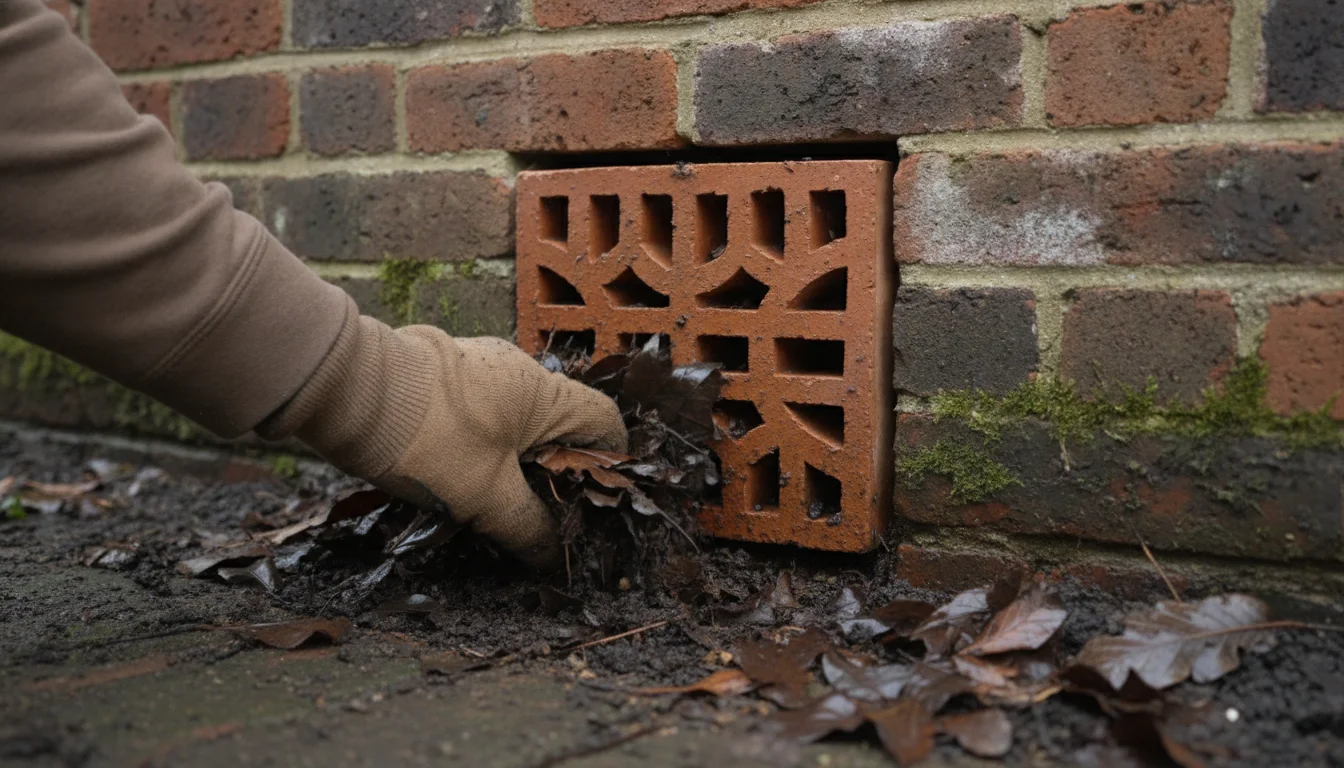
Houses with suspended timber ground floors have vented bricks in the outside walls, just above ground level. They let air move through the void under the floorboards. When they’re blocked, Timberwise says moist air gets trapped under the floor, and you get damp, timber decay and mold. On the inside, that shows up as woodlice along the skirting.
Walk round the outside and find them. Clear anything covering them, and never block them up to keep pests out, because that traps the damp. If they’re clear and the floor still smells damp, get a damp surveyor to look underneath.
4. Fix overflowing gutters and downpipes
Gardeners’ World names blocked gutters as a common reason woodlice come indoors. A blocked gutter dumps rainwater down one stretch of wall, and that water soaks sideways into the brickwork (Timberwise lists bad guttering and water pooling around drains as causes of penetrating damp). Clear the gutters, check every downpipe runs into a drain rather than onto the wall’s base, and look for any spot where water pools against the house after rain.
5. Run a dehumidifier while you fix the rest
A dehumidifier won’t find a leak, but it dries the room while you do. The same Ideal Home pest controller recommends keeping humidity below 50% in problem areas, and leaving the dehumidifier running rather than switching it on only when you spot them. Put it in the room where they turn up. If it runs flat out for weeks and the spot is still damp, the water is coming from somewhere it can’t reach. Go back to method 1. For the wider picture, see lowering humidity in the house.
6. Fit draft strips and brush seals on doors
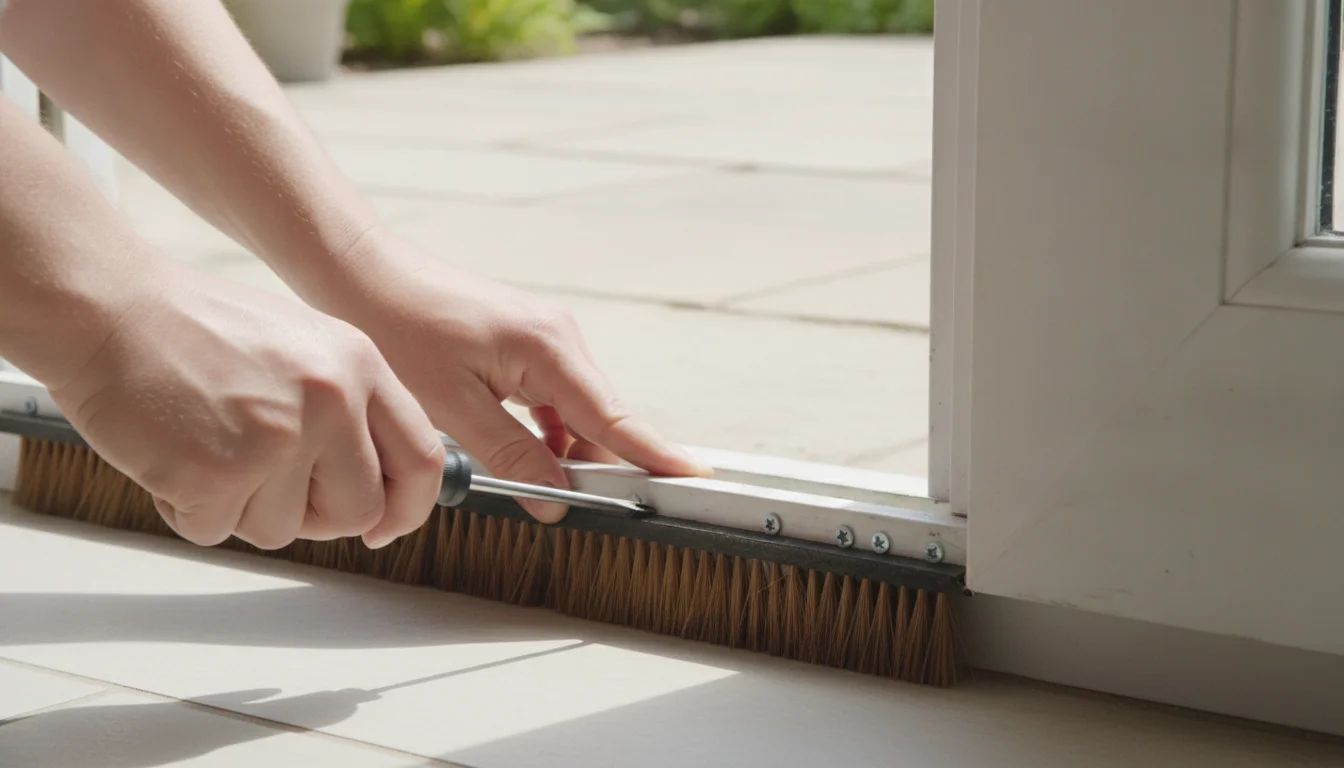
Which? says draft-excluder strips around doors and windows should stop woodlice getting in, and the University of California’s pest management program recommends weather stripping and door sweeps. Fit a brush or rubber seal along the bottom of every outside door on the ground floor, and replace worn strips around the frames. Stand inside at night with the lights on. If you can see a line of light under the door, they can get in.
7. Clear damp debris from against the house
Woodlice live outdoors under leaves, mulch, rotting wood, stones and flowerpots. Kentucky’s entomologists say moving those away from doors and walls can greatly cut how many come in, and UC advises keeping plants, mulch and debris several inches back from the walls and further back from doorways. Sweep leaves away from the door, lift pots off the patio by the back step and move log piles and compost heaps away from the house. In the rest of the garden they’re useful decomposers, so leave them be.
8. Vacuum them up or put them outside
For the ones already inside, a vacuum or a dustpan and brush does the job. Kentucky’s entomologists say brooms and vacuums work on live and dead ones alike, and that it’s safe to pick them up and put them outside. Gardeners’ World suggests moving them to a damp spot well away from the house. If the same spot fills up again overnight, it’s still wet.
9. Perimeter spray, as a stopgap only
Kentucky’s guidance says insecticide sprayed indoors is of little use, because woodlice die indoors from lack of moisture anyway. Outside, a perimeter treatment along the foundation in spring or autumn can limit how many get in. Clear leaf litter first so the product reaches them. But the same guidance says outdoor spraying is unlikely to solve a repeat problem unless the moisture is fixed. Use a product whose label covers woodlice or crawling insects, and follow the label. And don’t expect a pest controller to do it for you: Owl Pest Control in Ireland says no professional pesticide there is labeled for woodlice, so they don’t treat them.
When to call a professional
Woodlice are a damp problem, so the professional you usually want is a damp surveyor, not a pest controller. Call one when the damp is inside the floor or walls: signs of rising damp, wet boards over a suspended floor even with clear air bricks, or damp you can’t trace. Call a plumber for damp that follows a pipe or a sudden jump in your water bill.
How to get rid of woodlice for good: keep them out
Once a year, before the wet months, clear the gutters and check the air bricks. Keep indoor humidity under 50% in rooms that were a problem, keep the door seals in good repair, and keep leaves, pots and wood piles away from the walls and doors.
FAQ
How do you know if you have a woodlice infestation?
Lots of live ones in the same spot, day after day. One or two after a wet night came in from outside. A steady supply means they’re surviving indoors, and that means damp nearby. Outdoors, look for small black and brown droppings on rotting wood and the shed skins they leave as they grow.
Where do woodlice usually live?
Outdoors, under stones, logs, flowerpots, leaf litter and compost, wherever it’s dark and damp. Indoors, they end up in basements, bathrooms and ground floors when they’re looking for water.
Do woodlice like vinegar?
There’s no good evidence either way. The claim that vinegar, citrus peel or bay leaves repel them comes from a property expert quoted in Ideal Home, and none of the extension guides we read recommends smell repellents. Even if the smell did keep them off one spot, the damp that keeps them alive would still be there.
Is there a spray for woodlice?
Yes, but not one that fixes the problem. Kentucky’s entomologists say indoor insecticide is of little use, and an outdoor perimeter spray only limits entry while the damp stays.